 Request FREE consultation - 1866-758-4529
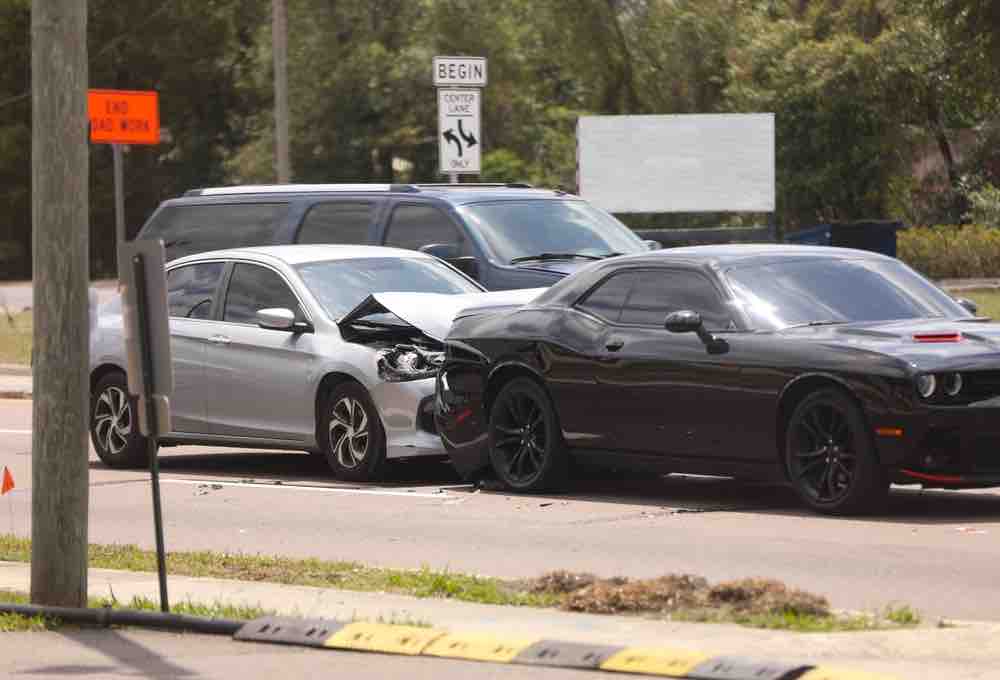
A crash involving a company vehicle is often more complicated than a typical car accident.
When a business vehicle is involved in a collision, the case may involve the driver, the employer, commercial insurance coverage, company safety policies, maintenance records, and electronic evidence under the business’s control. These cases are different because the company may be legally responsible for what happened, and the available insurance coverage may be significantly larger than in an ordinary auto claim.
In Texas, injury claims generally have a two-year deadline (the statute of limitations), and the State follows a proportionate responsibility rule. Under this rule, your compensation can be reduced or denied depending on your share of fault for the accident. If you are more than 50 percent at fault, you cannot recover any damages.
Our 18-wheeler truck accident attorney has a 40-year record of winning maximum compensation for truck accident victims and families who have lost a loved one.
A company vehicle is any vehicle being used for business purposes at the time of the crash.
This can include:
The vehicle need not be a tractor-trailer to support a serious claim. Many significant injury cases involve ordinary-looking vans, pickups, and fleet vehicles used for business.
When a company vehicle is involved, the legal claim may go beyond the individual driver.
If the driver was working at the time of the collision, the employer may also be responsible. In some cases, the company may face direct liability (meaning the company is directly at fault) for its own actions, such as:
That matters because business records often help explain why the wreck happened and whether the company created or ignored a preventable danger.
Liability may fall on a single party or several parties.
Depending on the facts, a claim may involve:
A full investigation should identify every person or company whose conduct helped cause the collision
An employer may be liable when its employee causes a crash while acting in the course and scope of employment.
That issue often turns on what the driver was doing at the time. If the driver was making deliveries, driving to a jobsite, transporting tools, traveling between work assignments, or performing company business, the employer may be legally responsible.
In addition to vicarious liability, the employer may also be directly liable if it hired an unsafe driver, failed to properly train employees, ignored prior safety problems, or allowed an unsafe vehicle to remain in service.
Company vehicle crashes often happen for familiar reasons, but business demands can make the danger worse.
Common causes include:
In many business-related crashes, there is also evidence of time pressure, route quotas, dispatch demands, or company expectations that encouraged unsafe driving decisions.
The steps taken after the crash can affect the strength of the case.
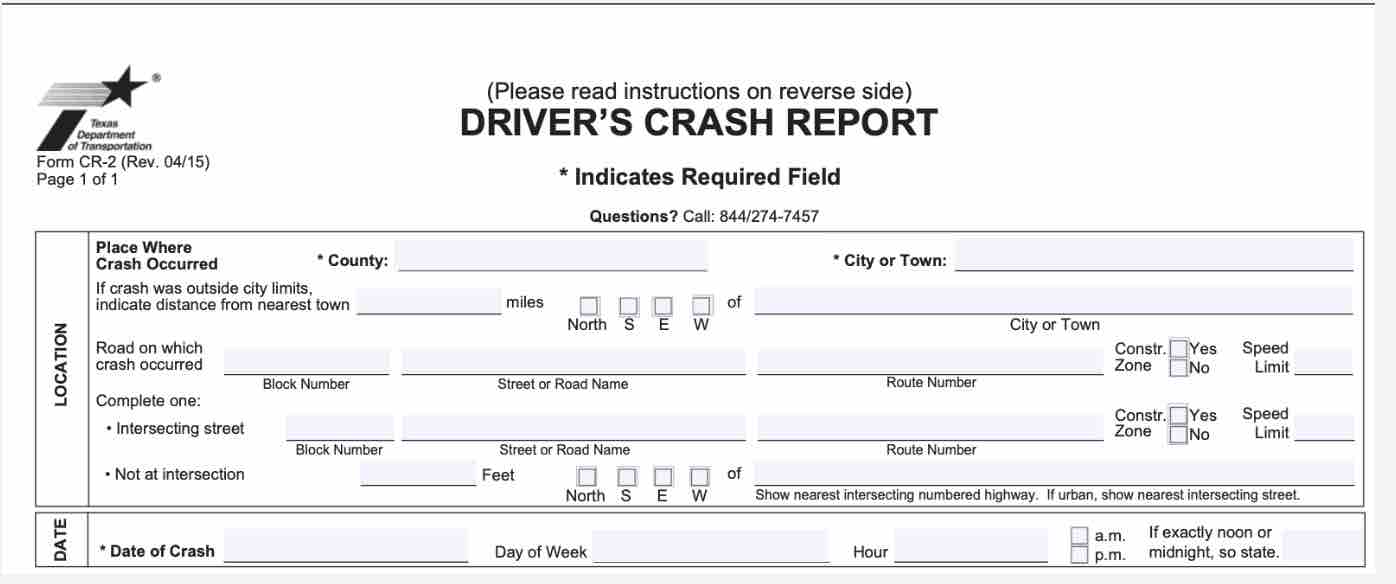
Contact 911 and ask for law enforcement assistance. In Texas, an investigating officer must create a written report if the collision results in injury, death, or property damage of $1,000 or more, as required by Texas Transportation Code Section 550.062.
Get:
If the vehicle has company branding, a trailer number, a dash camera, or an onboard system, photograph that as well.
Seek prompt medical treatment. Early care helps protect your health and documents that injuries were caused by the crash.
Company vehicle claims frequently depend on evidence beyond the police report.
Important evidence may include:
In serious cases, this evidence should be preserved promptly, as some records may be lost, erased, or overwritten if not requested in time.
Insurance is often one of the biggest differences between a company vehicle crash and an ordinary auto accident.
The claim may involve:
The presence of commercial coverage can greatly affect a case’s value, especially when the injuries are serious and future damages are considerable.
That is common in Texas injury claims.
Texas uses a proportionate responsibility rule. If you are 50 percent or less responsible, you may still recover damages, but the recovery is reduced by your percentage of fault. If you are more than 50 percent responsible, recovery is barred.
In company vehicle cases, insurers frequently claim that the injured person was speeding, failed to keep a proper lookout, changed lanes unsafely, or could have avoided the wreck. Those arguments must be tested against the physical evidence, witness testimony, vehicle data, and scene facts.
A claim should reflect the full effect of the crash, not just the first medical bills.
Damages may include:
In catastrophic injury cases, damages may also include rehabilitation costs, long-term care, assistive devices, home modifications, and future surgeries.
Texas generally gives injured people two years to file suit for personal injury or wrongful death claims.
Even so, waiting can damage the case. Video can disappear. Witnesses can become harder to find. Electronic records can be overwritten. In company vehicle cases, preserving the evidence early is often just as important as meeting the filing deadline.
A company vehicle claim should be treated as a business liability case from the beginning.
The key issues are often:
A serious claim is built by identifying all responsible parties, preserving the records, and showing the full extent of the harm caused by the collision.
Businesses and their insurers frequently begin defending the case immediately.
Businesses and insurers may send investigators to the scene promptly, collect statements, inspect vehicles, and begin forming the defense before an injured person fully understands their injuries. Prompt investigation helps secure evidence before the company establishes its version of events.
If you were hit by a company vehicle in Texas, the case may involve much more than a negligent driver. The employer, the vehicle owner, commercial insurance, maintenance records, and company safety practices may all affect liability and compensation. A strong claim requires early investigation, preserved evidence, a definite liability theory, and a full presentation of damages.
Call 911, get medical care, report the crash, photograph the scene, identify the company and driver, and avoid giving recorded statements to the insurance company before you understand your injuries and the facts of the case.
You may be able to pursue the company if the driver was acting in the course and scope of employment. In some cases, the company may also be directly liable for negligent hiring, training, supervision, or maintenance.
Yes. These cases frequently involve commercial insurance, employer liability, company records, electronic evidence, and more aggressive defense tactics.
That is a common defense. The answer depends on the facts, including route records, dispatch information, work schedules, GPS data, witness testimony, and other evidence showing whether the driver was performing job duties.
Texas generally allows two years for personal injury and wrongful death claims.
Possibly. Texas law allows recovery if you were 50 percent or less responsible, but your damages are reduced by your percentage of fault.
Depending on the case, damages may include medical bills, lost income, future medical care, pain and suffering, impairment, disfigurement, and other losses.