 Request FREE consultation - 1866-758-4529
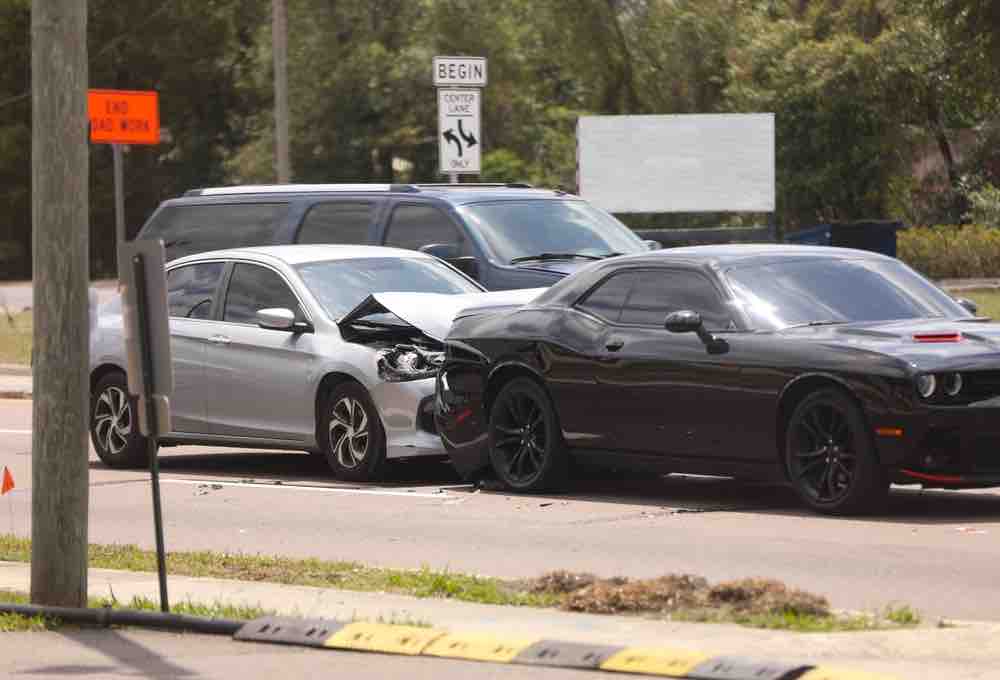
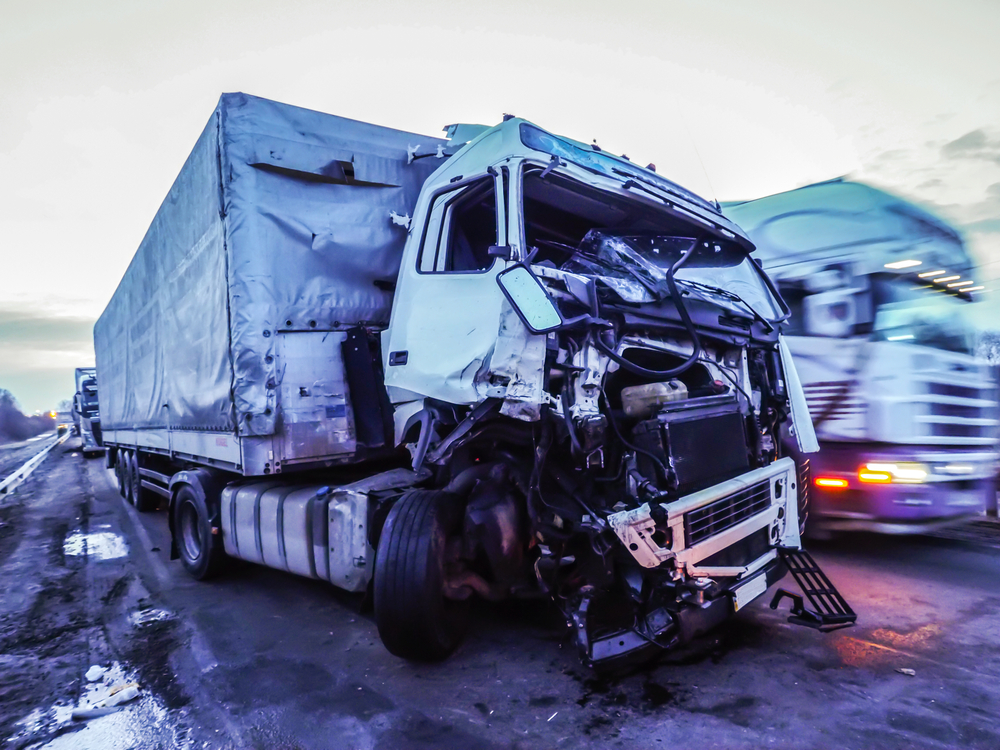
According to the National Highway Safety Administration, last year alone, there were approximately 9,754,000 vehicles that were involved in a police-reported traffic accident. But fatal accidents involving big trucks are up in 2021.
Moreover, 96% of these were passenger vehicles, similar to the automobiles involved. These figures show that the number of accidents may be much higher than reported and indicate that passenger vehicles often involve more than one occupant.
Thus, there is potential that a vast number of individuals are injured each year in crashes, which continue to rise.
Not only do these accidents have the potential to cause injuries and, in some cases, even death, but they also run the risk of also involving courts, litigation, automobile repair work, and additional fees.
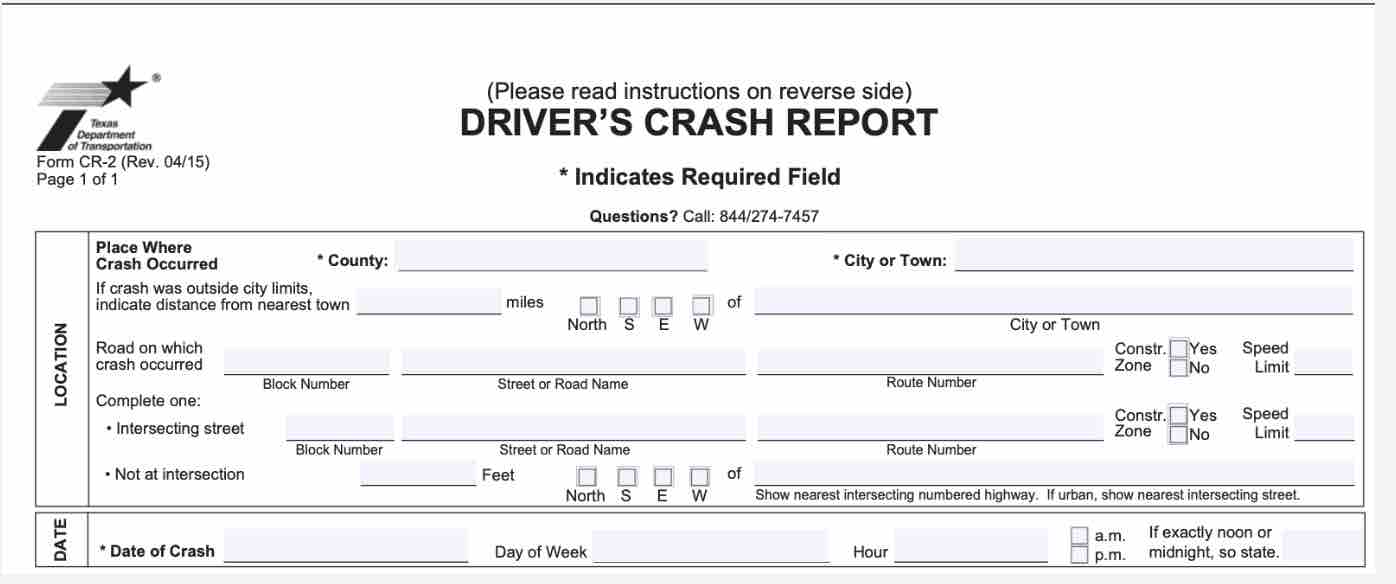
With all of these factors, it can sometimes be paramount to ensure that crashes are recorded to minimize the process for insurance and litigation, as well as to give automobile makers more strategic insight into the science of collisions. Moreover, this information can also give the average driver peace of mind.
Oftentimes, information is recorded through an event data recorder.
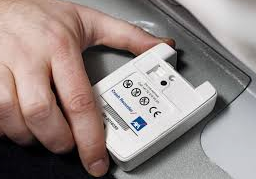
To start, an event data recorder, often known simply as a “black box,” is a device that collects specific information from an automobile before, during, and after car crashes. As one can imagine, this will help all involved parties, from giving the occupant simple insight into what went wrong to helping police prosecute the guilty.
In addition, this information can help with litigation and insurance claims. The data that is collected from the EDR can be downloaded in order to understand best how the car’s safety systems performed. The information is so detailed it can also give a formidable window into gauging how airbags are deployed, belt tensioners, and nuances surrounding the engine control module, such as the throttle position, vehicle speed, and engine speed itself.
It should be said that implementing an EDR system is not mandatory for passenger vehicles. However, its implementation can give one abundant information should a serious crash occur. As mentioned previously, an EDR can help:
• Settle disputes with insurance adjusters.
• Establish culpability in a serious accident.
• Corroborate police findings.
• Help highway researchers understand the causation of crashes.
• Help automakers improve safety measures in vehicles.
• Give an individual peace of mind after an accident.
Although the EDR data obtained is extremely beneficial, one should also be aware of its limitations. Older EDR models lack the vast amount of information that newer models have, which also has its own drawbacks. For example, EDR models have had instances where data was lost or stopped recording during imperative moments of the crash.
Many companies with large truck fleets monitor their drivers as an investment in safety. So far, the investments have paid off in reduced personal injury, workers’ comp, and wrongful death truck accident claims. By tracking employees’ driving, employers can influence the behavior of the drivers, which leads to fewer claims.
In addition, one should also be aware that all EDR data retrieved is owned by the owners, but litigation may cause this information to be released through a court order. In all, EDR technology allows many benefits despite minor limitations. Our experienced commercial vehicle accident attorneys in Texas can help get this vital proof!
For Houston big truck wreck victims, the EDR can provide critical information about how the accident occurred, and steps should be taken early to preserve it.
Sources:
http://www.iihs.org/iihs/topics/t/event-data-recorders/qanda#event-data-recorders
https://www.nhtsa.gov/research
Related Posts:
Black Box Data After a Truck Wreck
What to Know About the Investigation of a Semi Truck Crash