 Request FREE consultation - 1866-758-4529

By truck accident lawyer Greg Baumgartner
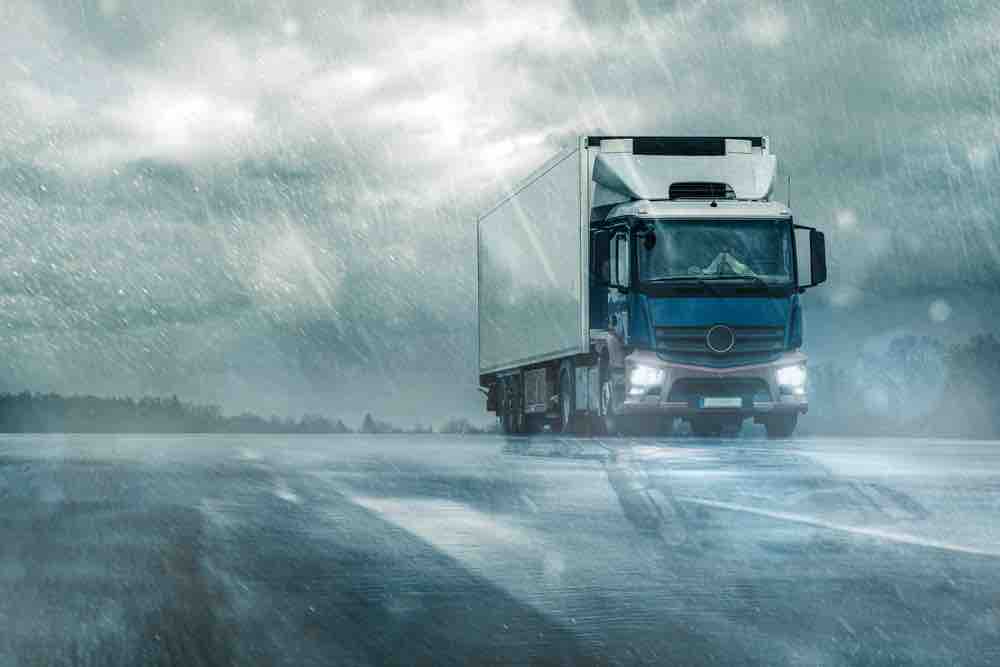
When fog cuts visibility, federal law requires covered truck drivers to slow down and use extreme caution. If it becomes too dangerous to keep driving safely, they must stop and wait until they can safely resume. Those duties come from 49 C.F.R. § 392.14.
When I review a fog-related truck crash, I start with a simple question. By the time the driver could see the traffic ahead, how much room was left to stop? The answer often depends on decisions the driver made well before the impact.
The rule applies when hazards such as fog, smoke, rain, or dust impair visibility or traction. It gives drivers three duties.
The rule sets no fixed visibility distance or speed. It also has a narrow passenger provision. If complying would put passengers in greater danger, the vehicle may continue to the nearest point where their safety can be assured.
Picture a truck coming up on a line of stopped cars in a patch of dense fog. The driver may see the first brake lights only seconds before reaching the backup. Even a speed below the posted limit can leave too little room to react and brake. When traffic is moving, leaving more room behind the vehicle ahead can give the driver more time to respond.
I also look at where the driver could have left the highway before visibility got worse. An earlier exit, rest area, or truck stop can matter when the driver had enough warning to use it.
I start by putting the weather and the truck’s movements on the same timeline. A weather report can show that fog was in the area. A dashcam or witness near the crash may help show where visibility dropped and when traffic ahead came into view.
If the truck recorded speed and braking data, I compare it with the video and witness accounts. I want to know when the driver first slowed down, when the brakes came on, and how far the truck traveled before impact. Dispatch messages can also show whether the driver reported poor visibility or asked to stop.
Fog can contribute to a crash. Whether the driver’s or trucking company’s decisions contributed depends on the evidence. My guide to who may be responsible for a bad-weather truck crash explains how those decisions can affect a Texas claim.
If you or a family member was seriously hurt in an 18-wheeler crash in fog, you can request a free consultation. I can talk with you about what happened and what records may need to be preserved.