 Request FREE consultation - 1866-758-4529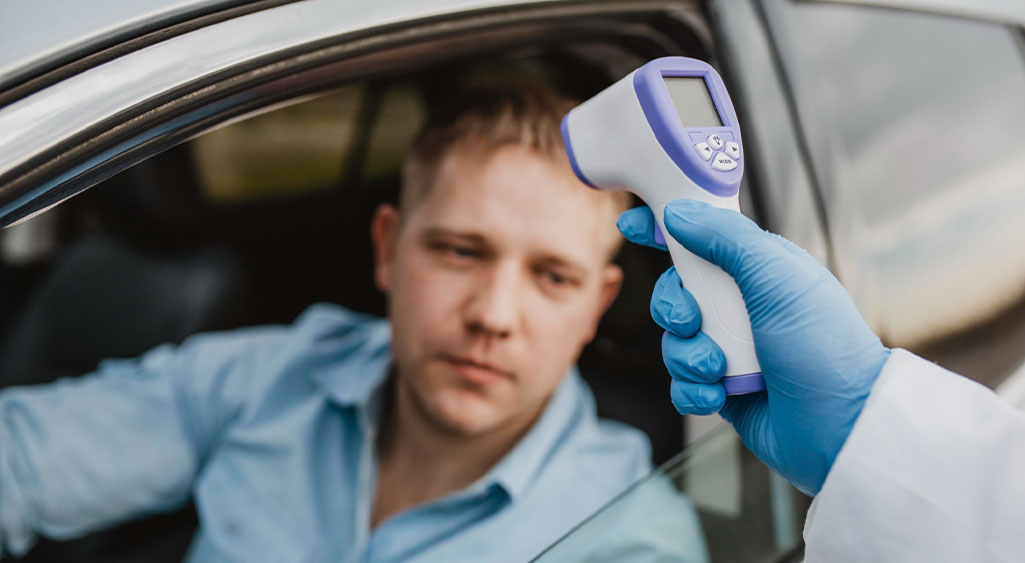
Commercial truck drivers perform safety-sensitive work around vehicles that may weigh up to 80,000 pounds. Federal drug and alcohol testing rules are meant to reduce the chance that an impaired driver is placed behind the wheel. In 2026, the Federal Motor Carrier Safety Administration sets a 50% minimum annual rate for random drug tests. The rate is based on the employer’s average number of driver positions. The minimum random alcohol testing rate is 10%. The U.S. Department of Transportation publishes the current annual testing rates, and those rates can change from year to year.
| Quick answer: Random testing is only one part of the federal program. Covered drivers may also be tested before employment, after certain crashes, when reasonable suspicion exists, and during the return-to-duty process. A trucking company must do more than have a written policy. It must follow the policy, keep required records, and remove prohibited drivers from safety-sensitive work. |
Who Is Covered by Federal Truck Driver Testing Rules?
The FMCSA program generally covers every CDL driver who operates a commercial motor vehicle that requires a CDL on a public road. That includes full-time, part-time, intermittent, backup, leased, and international drivers. Owner-operators are also covered. The FMCSA explains which drivers an employer must test and makes clear that part-time status does not remove a driver from the program.
The rule generally applies to a vehicle with a gross vehicle weight rating of 26,001 pounds or more. It also covers vehicles designed to transport 16 or more people, including the driver. Vehicles carrying placarded hazardous materials are covered as well. Drivers of smaller commercial vehicles may still face other safety rules, even when the DOT testing program does not apply.
Drug and alcohol testing is one part of a broader safety system. That system includes federal and Texas trucking regulations on driver qualifications, hours of service, inspections, maintenance, cargo, and insurance.
The 2026 Random Drug and Alcohol Testing Rates
For calendar year 2026, FMCSA-regulated employers must meet these minimum annual rates:
Random drug testing: at least 50% of the average number of covered driver positions.
Random alcohol testing: at least 10% of the average number of covered driver positions.
These percentages apply to the employer’s testing program, not to each driver as an individual promise. One driver may be selected more than once in a year, while another may not be selected at all. Every covered driver must have an equal chance of selection each time the random pool is drawn.
Selections must be unannounced and spread reasonably throughout the calendar year. A company should not wait until December and rush to complete most of its tests. Random alcohol testing must occur just before, during, or just after a driver performs a safety-sensitive function. A driver selected for a random drug test may be notified while off duty, but the driver must then proceed promptly to the collection site.
When Must a Commercial Driver Be Tested?
The federal program uses several kinds of tests. The FMCSA testing overview explains when each one applies.
| Test type | When it applies | Key point |
| Pre-employment | Before a new CDL driver operates a covered vehicle. | The employer must receive a negative drug test result first. |
| Random | At unannounced times throughout the year. | Every covered driver must remain in the selection pool. |
| Reasonable suspicion | When a trained supervisor observes specific signs of possible drug or alcohol use. | The decision must rest on current, identifiable observations. |
| Post-accident | After a fatal crash and after certain injury or tow-away crashes involving a citation. | The exact requirements depend on the crash and timing of the citation. |
| Return-to-duty | After a driver violates a DOT drug or alcohol rule and completes the required evaluation process. | A directly observed negative test is required before safety-sensitive work resumes. |
| Follow-up | After the driver returns to duty under a plan set by a substance abuse professional. | At least six directly observed tests are required during the first 12 months. |
Post-Accident Testing Is More Limited Than Many People Think
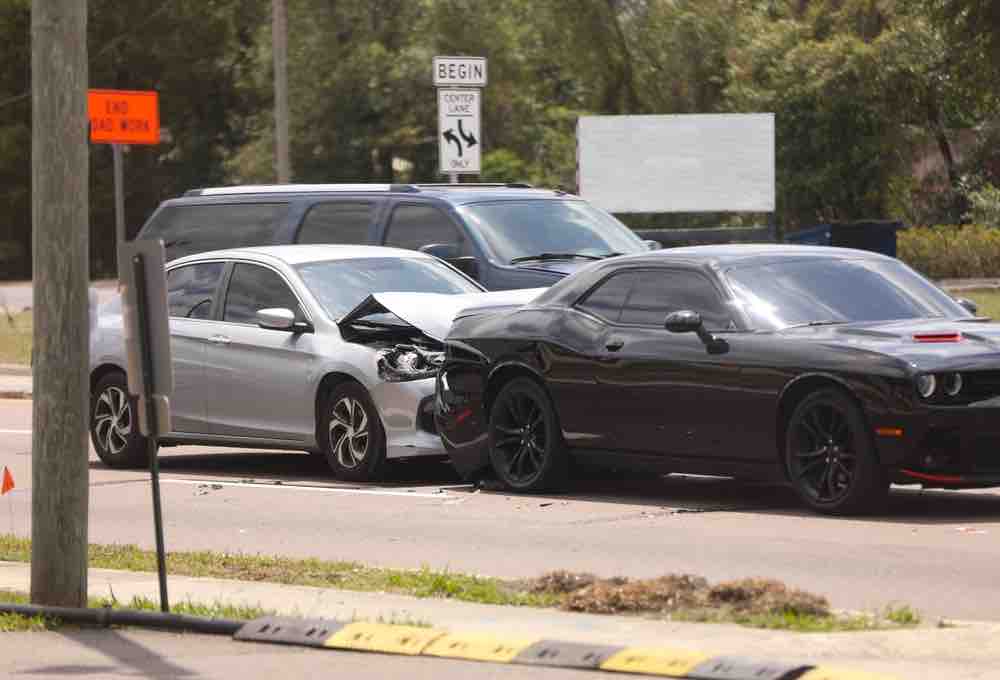
Federal law does not require a DOT post-accident test after every truck crash. Testing is always required after a crash involving a human fatality. For a crash involving immediate medical treatment away from the scene or disabling damage that requires a tow, testing generally depends on whether the commercial driver receives a moving-violation citation within the permitted time.
Under 49 C.F.R. § 382.303, an alcohol citation must be issued within eight hours and a drug-test citation within 32 hours. Required testing must occur as soon as practicable. If the alcohol test is not completed within two hours, the carrier must document the reason. Attempts must stop after eight hours. Attempts to complete the drug test must stop after 32 hours, with the reason for the delay documented.
That timing matters after a serious crash. A carrier should be able to produce the test result or a reliable written record explaining why the required test was not completed. The absence of a test does not prove the driver was sober. It may raise a different question. Did the company understand and follow the rule?
What Drugs Are Included in a DOT Test?
The FMCSA drug-testing panel includes five classes of drugs:
DOT alcohol testing identifies concentrations of 0.02 or greater. A result of 0.04 or greater is a violation that requires immediate removal from safety-sensitive duties. A refusal to test is generally treated much like a positive result for removal and return-to-duty purposes.
Marijuana and CBD Can Still Create Problems for CDL Drivers
State marijuana laws do not change the federal DOT testing rules for commercial drivers. Marijuana remains part of the DOT panel. The Department of Transportation also warns that some CBD products may contain enough THC to cause a positive marijuana test. Under the DOT CBD notice, claiming CBD use is not accepted as a legitimate medical explanation for a laboratory-confirmed marijuana positive.
For safety-sensitive drivers, the practical rule is simple: a product sold legally in a store can still put a CDL and a driving career at risk.
The FMCSA Drug and Alcohol Clearinghouse
The FMCSA Drug and Alcohol Clearinghouse is a federal database containing CDL driver drug and alcohol program violations. Employers must check the Clearinghouse before a new driver operates a commercial vehicle. They must also run at least one query each year for every current covered driver.
A driver with a prohibited status cannot perform safety-sensitive functions until the return-to-duty process is completed. Since November 18, 2024, state licensing agencies must also remove commercial driving privileges from drivers in prohibited status. The CDL or commercial learner’s permit remains downgraded until the driver becomes eligible for reinstatement.
A company may create a direct safety failure by hiring a driver without checking the Clearinghouse. The same is true if it ignores a prohibited status or puts the driver back on the road too soon. Depending on the facts, that conduct may support a negligent hiring claim or another claim against the carrier.
Why Testing Records Matter After a Truck Accident
When I investigate a serious commercial truck crash, I do not stop with the police report. I want to know whether the carrier operated a working safety program. A written policy is not enough. A company may still fail by leaving drivers out of the random pool, skipping selected tests, ignoring a positive result, or letting a prohibited driver keep working.
Testing records may help answer several important questions:
These questions can reveal whether a crash was an isolated driving mistake or part of a larger pattern of poor safety management by a negligent trucking company.
A Positive Test Does Not Automatically Prove Crash Causation
A positive drug test can be important. But it does not automatically show that the driver was impaired at the time of the crash. It also does not prove that drug use caused the collision. The timing of the test and the substance involved both matter. So do toxicology results, witness observations, driving behavior, video, electronic data, and medical evidence.
The reverse is also true. A negative test or the absence of testing does not automatically resolve the issue. A complete investigation should place the testing evidence alongside the driver’s logs, qualification file, training history, electronic data, dispatch records, and the physical evidence from the scene.
Records That Should Be Preserved Quickly
Testing and employment records may be held in several places. The carrier, testing administrator, laboratory, medical review officer, and Clearinghouse may each have part of the file. Some records may be lost under ordinary retention schedules. A prompt preservation request can be critical after a crash involving serious truck accident injuries or a death.
Important records may include:
Return-to-duty and follow-up testing records
Testing evidence can also help identify who may be responsible for a truck accident, including the driver, motor carrier, staffing company, or another business that controlled the driver’s work.
Frequently Asked Questions
Does every truck driver have to take a random drug test each year?
No. The 50% rate applies to the employer’s average number of covered driver positions. Each driver must have an equal chance of selection, and the same driver may be selected more than once.
Can a trucking company test more often than the federal minimum?
Yes. The federal percentages are minimums. A company may also maintain a separate non-DOT testing program, but it must keep that program clearly separate from testing conducted under federal authority.
Is a truck driver tested after every accident?
No. A fatal crash always triggers testing. Certain injuries and tow-away crashes trigger testing only when the commercial driver receives a qualifying citation within the required time.
Does legal marijuana use protect a CDL driver from a positive test?
No. DOT rules remain federal. State legalization, a medical marijuana recommendation, or claimed CBD use does not excuse a laboratory-confirmed positive marijuana test under the DOT program.
What happens after a positive test or refusal?
The driver must be removed from safety-sensitive duties and cannot return until completing the required evaluation and return-to-duty process. The violation is also reported to the Clearinghouse.
Talk With an Experienced Texas Truck Accident Lawyer
Drug and alcohol records are only one part of a commercial vehicle investigation, but they can expose serious safety failures that are not visible in the crash report. For more than 40 years, I have represented people and families after major truck crashes. The strongest cases often come from finding records the trucking company would rather overlook.
If you were seriously injured or lost a family member in a commercial truck crash, contact an experienced Texas truck accident lawyer for a free consultation. We can investigate the driver, the carrier, the testing program, and the other evidence needed to protect your rights. For a fatal collision, learn more about wrongful death claims involving 18-wheelers.