 Request FREE consultation - 1866-758-4529
The federal government does not regulate oversize permits; instead, it relies on each individual state to issue permits for travel within its borders. In Texas, for instance, permits are crucial for managing oversized truck loads that exceed standard legal limits. Each state has the authority to issue permits for oversize and overweight loads, and these are required permits for trucks exceeding standard legal limits.
Texas has a very liberal and accommodating DOT, which has defined specific criteria for what constitutes an oversize load, including weights and axle limits. The DOT often allows up to 200,000 pounds for an oversize permit. Annual permits and permits for a limited period are available for certain types of loads, depending on the frequency and nature of the transport.
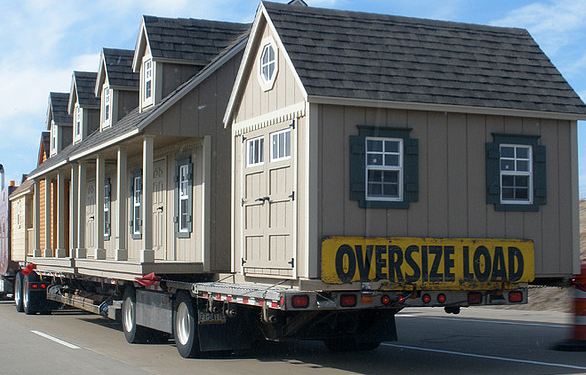
Normal loads not requiring a special permit are limited to 80,000 pounds. Additionally, an oversize or wide load can be extra long, high, or wide. Click here for the Texas DOT oversize page.
Trucking companies must ensure compliance with all state and federal regulations for each shipment, especially when transporting manufactured housing or other large, prefabricated items.
The permitting process in Texas has been streamlined to allow online applications and to sell permits when possible. The website even offers video tutorials enabling truck drivers and trucking companies to quickly and easily log in and obtain a permit for an oversized load. The permitting process helps determine the specific requirements for each shipment, including whether the load is considered divisible or non-divisible, which in turn affects the type of permit required.
Part of the process involves ensuring the greatest possible safety within the community. This includes special limitations on the loads, the route that may be used, and whether advanced vehicles are required.
Trucking companies must obtain permits for each state through which they travel with the oversized load. Obviously, this takes organization. For interstate shipments, it is essential to note that restrictions can vary across different states, including specific travel times and limitations on weekends, which necessitate careful planning to ensure compliance.
Texas has been very accommodating in issuing special permits to allow the maximum amount of traffic without endangering the community. Nevertheless, wide loads are inherently dangerous for obvious reasons, and drivers should exercise extra caution when navigating around an oversized or wide load.
Trucking companies must secure a permit for an oversize load and comply with the safety rules applicable to the load. Here is the list of types of loads a special permit is required in Texas.
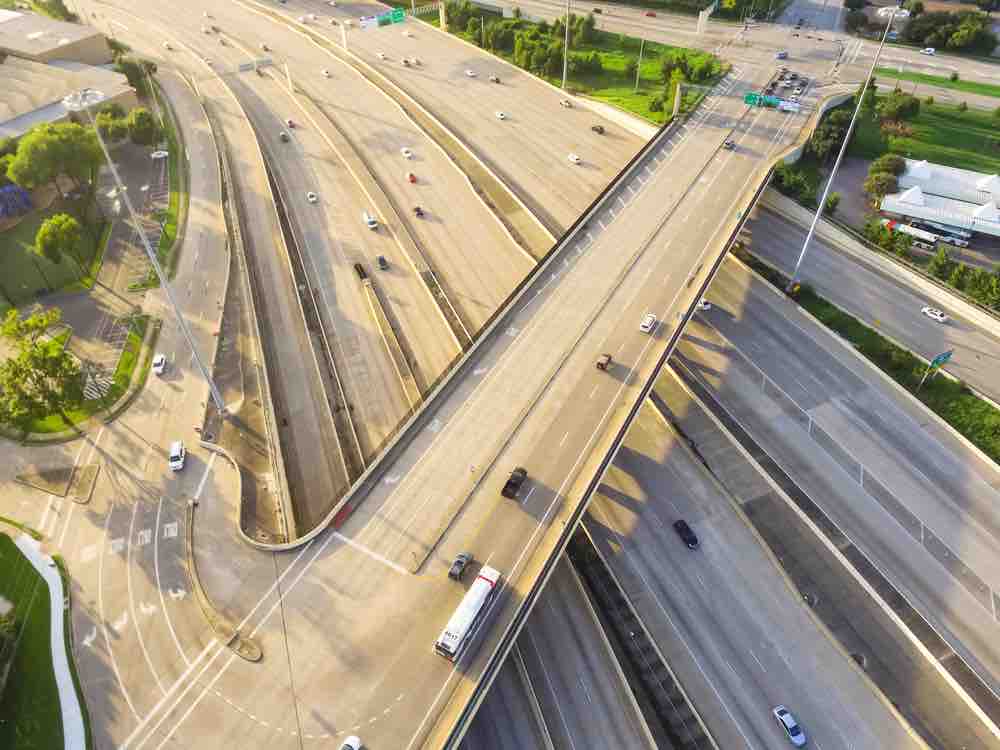
Texas utilizes a system to select and approve the route for oversize loads.
The exact route must be submitted and approved by authorities, and in some cases, travel may be limited to four-lane divided highways or other specific roads to ensure safety and compliance with regulations.
Transporting wide loads and oversize loads across Texas and other states often requires more than just a permit and a well-planned route. Escort and pilot services play a crucial role in ensuring that oversized loads, which exceed standard legal limits for width, height, or weight, are moved safely and in full compliance with state regulations. These escort vehicles, commonly referred to as pilot cars, accompany the load truck throughout its journey, providing an additional layer of safety and support.
Many states, including Texas, require escort vehicles for oversize and overweight loads that surpass certain weight limits or dimensions, such as the maximum legal width of 8.5 feet. The primary function of these escort vehicles is to alert other drivers to the presence of an oversized load, using highly visible warning flags, lights, and banners. This helps reduce the risk of accidents, especially when navigating through tight spaces, around low bridges, or along busy major highways.
Pilot car drivers are specially trained to handle the unique challenges of transporting oversized cargo. They are responsible for communicating with the load truck driver, monitoring traffic conditions, and ensuring the load can safely maneuver through intersections, construction zones, and other potential hazards. In the event of an emergency, escort vehicles are prepared to respond quickly, helping to protect both the load and the public.
State regulations regarding escort and pilot services can vary. Some states require escort vehicles for all oversized loads, while others only mandate them for loads that exceed specific dimensions or weight thresholds. There are also requirements for the equipment used by pilot cars, such as specific lighting, signage, and communication devices, as well as training and certification for the drivers themselves. Trucking companies must be aware of these regulations to ensure compliance when transporting heavy loads across state lines.
The use of escort and pilot services not only enhances safety but also helps trucking companies and drivers comply with both state and federal government guidelines. By working with experienced pilot car operators, companies can avoid costly fines and delays, ensuring that their oversized load truck shipments reach their destination efficiently and without incident.
In summary, escort and pilot services are essential for transporting wide loads, oversize loads, and loads that exceed weight limits. They provide critical support for drivers, help manage risk on the road, and ensure that all legal requirements are met. For anyone involved in the transportation of oversized cargo—whether as a driver, shipper, or logistics manager—partnering with reputable escort service providers is key to a safe and successful journey.
It is not A secret that wide-load tractor-trailers block the vision of traffic behind.
Safety measures, such as a clearly visible banner and warning light, are required to alert other drivers, and loads must be properly secured to prevent accidents.
Making driving around a wide-load truck or behind it less safe.
Big rigs with oversize loads slow down traffic and cause it to stall. This in itself makes wide loads dangerous.
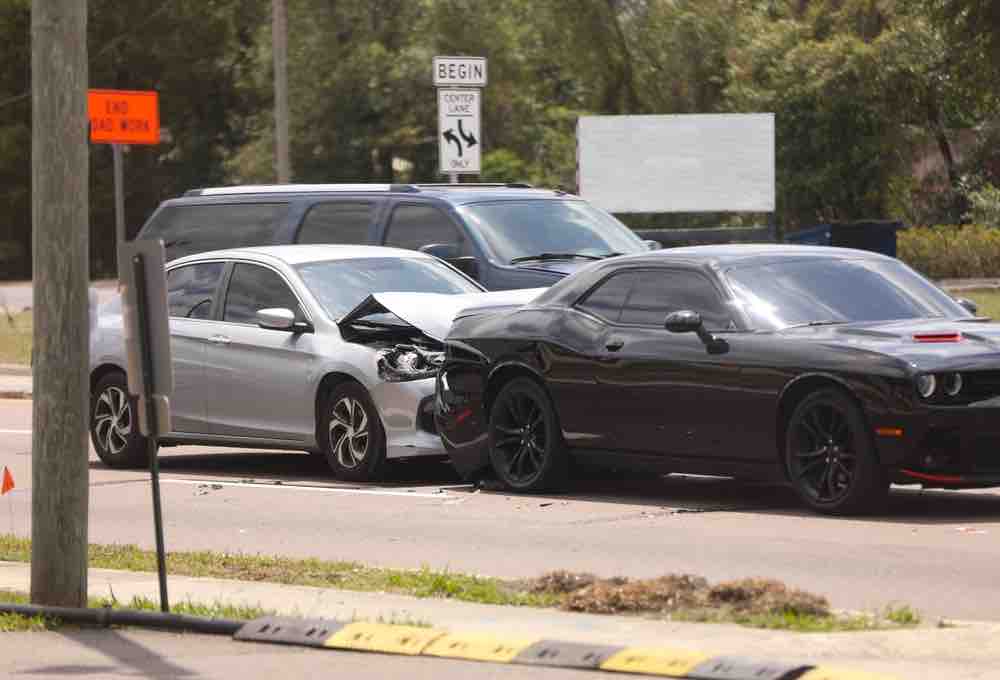
Texas Oversized Loads and Truck Accidents
Accidents Caused by Oversized Loads