Key takeaway: A trucking company may be liable when neglected brakes, tires, steering, lights, coupling equipment, or other parts contribute to a crash. The most important early step is often to preserve the tractor, trailer, failed parts, electronic data, and maintenance records before repairs alter the evidence.
Poor truck maintenance does not always announce itself at the crash scene. A driver may say the brakes failed, a tire blew, or the truck suddenly pulled to one side. That only tells us where to start. The real questions are what failed, why it failed, who knew about the danger, and whether a reasonable inspection or repair would have prevented the crash.
I am Greg Baumgartner. I have handled serious truck accident cases since 1985. In a suspected maintenance case, I do not rely solely on the trucking company’s repair file. I compare its records with the physical truck, electronic data, roadside inspections, driver complaints, parts purchases, and the timing of earlier repairs. That comparison often tells a much clearer story.
If poor maintenance may have caused a serious collision, a Texas truck accident lawyer should act quickly. A carrier may repair the truck and return it to service long before an injured person understands what evidence was lost.
How Poor Maintenance Causes Truck Accidents
An 18-wheeler is a working machine made of systems that must perform together. A defect need not cause a complete breakdown to contribute to a wreck. Weak brakes may increase stopping distance. Uneven braking may pull a tractor-trailer sideways. A worn steering or suspension part may reduce control during an emergency move.
Common maintenance failures include:
Brake defects, including worn components, air leaks, poor adjustment, overheating, or repairs that did not correct the real problem.
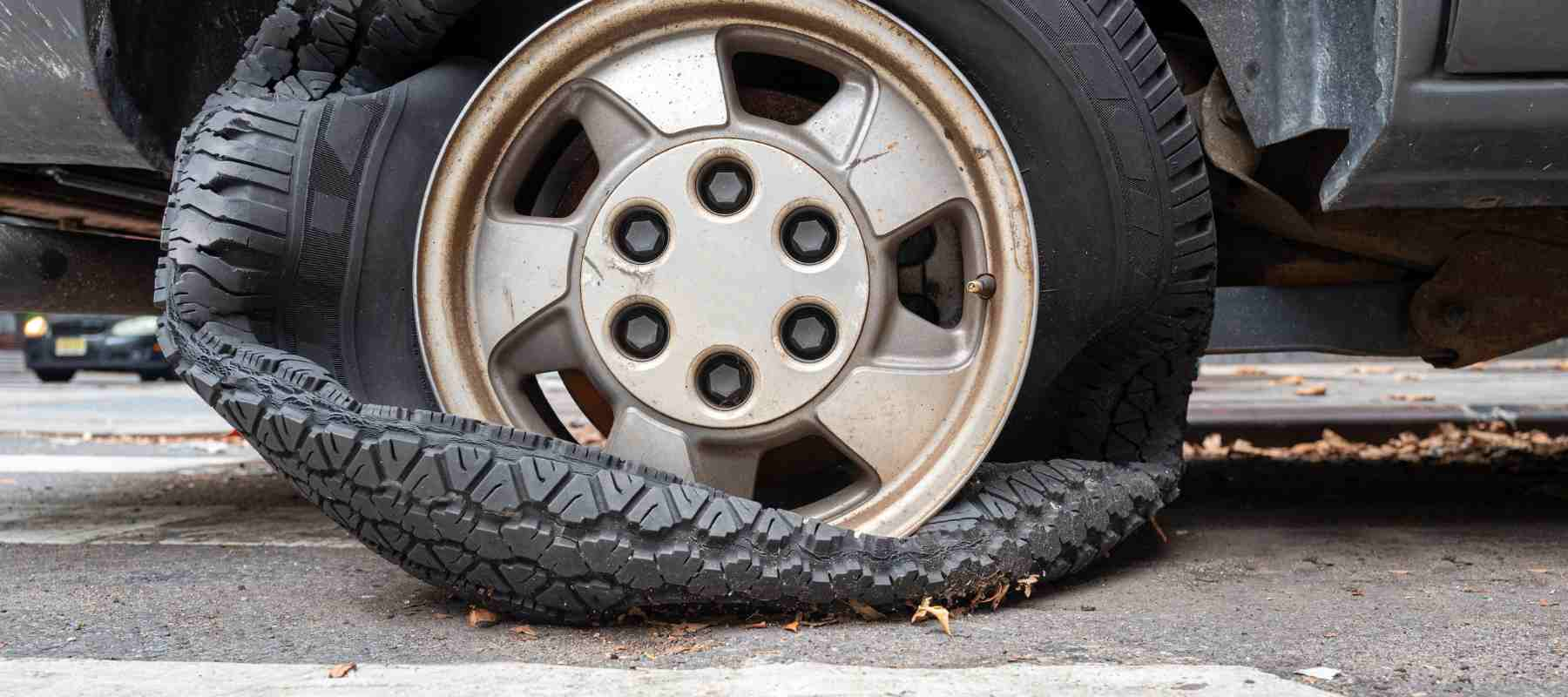
Unsafe truck tires, including low tread, improper inflation, cuts, separation, damaged wheels, or tires that were unsuitable for their position or load.
Steering and suspension defects, such as loose, cracked, bent, or worn parts that affect tracking and control.
Wheel and rim problems, including loose fasteners, damaged rims, or bearing failures.
Lighting and reflective-equipment failures that make a truck harder to see or hide a driver’s intended movement.
Coupling defects involving the fifth wheel, kingpin, locking parts, or trailer connections.
Engine, transmission, fuel, or electrical failures that leave a commercial vehicle disabled in a travel lane.
These problems may develop slowly. Repeated complaints, warning lights, uneven tire wear, fluid leaks, unusual vibration, or recurring repairs may show that the crash was not a sudden, unforeseeable event.
Federal Truck Inspection and Maintenance Rules
The federal inspection, repair, and maintenance rules appear in 49 C.F.R. Part 396. Section 396.3 generally requires a motor carrier to systematically inspect, repair, and maintain vehicles under its control. Parts that affect safe operation must remain in safe and proper condition.
The rules also prohibit operating a vehicle in a condition likely to cause an accident or breakdown. Before driving, a driver must be satisfied that the vehicle is safe and review the last required driver vehicle inspection report. A commercial vehicle must also pass the required periodic inspection. The tractor and each trailer are treated as separate vehicles for that inspection.
Written driver reports are not required in every no-defect situation. When a safety-related defect is discovered or reported, however, the carrier generally must address it before the vehicle is operated again. The FMCSA Motor Carrier Safety Planner gives carriers practical guidance on Part 396 duties and records.
A maintenance case is rarely proved without extensive investigation. I start by inspecting the vehicle and asking whether the company’s paperwork matches the truck’s condition.
Was the same part repaired several times without a lasting solution?
Did a driver report a warning, vibration, leak, pulling, or loss of braking before the crash?
Do work orders describe the complaint but not the repair that supposedly fixed it?
Are mileage entries, inspection dates, or signatures missing or inconsistent?
Did the carrier keep dispatching the vehicle after a roadside violation or out-of-service condition?
Was the work actually performed, or was it only entered into the maintenance system?
Who actually performed the work?
I also look beyond the motor carrier. The tractor, trailer, maintenance shop, and failed component may come from different companies. Contracts and repair authorizations help show who controlled the work and who had the chance to prevent the failure.
Case Example
I represented a truck driver who lost control of his truck and jackknifed across the roadway, killing two innocent victims. Another law firm dropped the case, and the trucker hired me. After an expensive investigation and litigation, I proved a maintenance failure and settled the case for a confidential multi-million-dollar amount. My client’s recovery was more than the two innocent victims’ families received.
Evidence That Can Prove Negligent Maintenance
A strong investigation compares physical evidence with company records. Useful evidence may include:
The preserved tractor, every involved trailer, and any failed or removed component.
Photographs, video, measurements, scans, fluid samples, and an independent mechanical inspection.
Preventive-maintenance schedules, repair histories, work orders, invoices, warranties, and parts receipts.
Driver defect reports, pre-trip information, annual inspection reports, and roadside inspection records.
Engine-control, ABS, fault-code, telematics, and event data when available.
Dispatch messages, emails, texts, and driver complaints about mechanical trouble.
Tire purchase, position, rotation, inflation, tread-depth, and retread records.
Maintenance-vendor contracts, employee qualifications, training files, audit material, and company policies.
Why speed matters: Even routine repairs can erase evidence. A written preservation notice should identify the tractor, each trailer, removed parts, photographs, data, inspection material, repair records, and communications. In some cases, court involvement may be needed to arrange an inspection before the equipment is altered.
Who May Be Liable for Poor Truck Maintenance?
More than one person or company may share responsibility. The evidence may point to:
The motor carrier that lacked a sound maintenance program, ignored a reported defect, or placed an unsafe truck in service.
The driver who skipped a required safety review, ignored a warning, or failed to report a known problem.
The tractor or trailer owner responsible for inspection or upkeep under a lease or service agreement.
A repair shop or maintenance contractor that missed a defect or performed faulty work.
A manufacturer or supplier when a defective part contributed to the failure.
An intermodal equipment provider or another company that controlled the unsafe equipment.
The correct defendants cannot be chosen from a company logo on the truck. Ownership, control, leases, repair contracts, and the motor carrier’s records must be examined. Learn more about who may be responsible for a truck accident.
What Compensation May Be Available?
A person injured due to unsafe maintenance may seek compensation for losses resulting from the crash. Depending on the facts, those losses may include past and future medical expenses, lost wages, reduced earning ability, physical pain, mental anguish, impairment, disfigurement, property damage, and other accident-related expenses.
When a crash causes a death, eligible family members and the estate may have wrongful-death and survival claims. Exemplary damages may be available only in cases that meet Texas law’s higher requirements. A maintenance violation alone does not automatically prove gross negligence. What the company knew, how long it knew it, and what it did next can be important.
What to Do After a Suspected Maintenance-Related Crash
Get medical care. Some serious injuries are not fully apparent at the scene.
Tell the investigating officer about smoke, warning sounds, leaking fluid, loose parts, tire debris, steering trouble, or any statement that something failed.
Save photographs, video, witness information, damaged property, medical records, and communications with insurers.
Do not assume the police report will preserve the mechanical proof. The truck and its data require separate attention.
I founded my law firm in 1985 and have focused my career on helping people with serious injuries and families facing a wrongful death. I hold two law degrees and graduated from the Trial Lawyers College. But credentials do not inspect a tractor or uncover a missing work order. The practical work is to start early, test the trucking company’s story, and follow the evidence wherever it leads.
I keep a low-volume practice because a serious truck case needs close attention. Clients speak directly with me. My firm has never lost a commercial vehicle accident case, and I prepare each accepted case as if the trucking company will require us to prove every part of it in court.
Frequently Asked Questions
Can a trucking company be liable for poor maintenance?
Yes. A motor carrier may be liable when its failure to inspect, repair, or maintain equipment contributes to a crash. The facts must connect the unsafe condition and the responsible party to the collision.
What maintenance records must a trucking company keep?
Federal rules generally require records that identify the vehicle, show the nature and due date of maintenance, and document inspections and repairs. Retention periods vary by record type, so preservation should begin quickly.
How long are general vehicle-maintenance records retained?
Under 49 C.F.R. § 396.3, covered records are generally kept where the vehicle is housed or maintained for one year and for six months after it leaves the carrier’s control. Other inspection and driver-report records can have different periods.
Does an out-of-service violation prove negligence?
No. An out-of-service finding can be powerful evidence, but it does not decide the entire case. The defect still must be connected to the crash and to the conduct of a responsible person or company.
Can a repair shop share responsibility?
Yes. A shop may share responsibility if faulty work or a missed defect contributed to the crash. The work order, contract, qualifications, parts, and physical inspection can help answer that question.
What if the trucking company repairs the truck after the crash?
Repairs can change or destroy important evidence. A prompt preservation notice and a documented independent inspection may be needed before the tractor, trailer, or failed components are altered.
How long do I have to file a Texas truck accident lawsuit?
Texas law generally allows two years for a personal-injury or wrongful-death lawsuit, but exceptions may change the deadline. The evidence deadline is practical and much shorter because trucks, data, and records can change or disappear. See Texas Civil Practice and Remedies Code § 16.003.
Talk With Greg Baumgartner About a Suspected Maintenance Failure
If you or a loved one suffered a serious injury in a Texas truck crash, I will discuss what happened, what mechanical issue may be involved, and what evidence should be saved. The consultation is free, and there is no attorney’s fee unless we win your case.
Call (281) 893-0760 or toll-free 1-866-758-4529 to speak directly with Greg Baumgartner.