Home » Legal Information » Federal Trucking Regulations in Texas Truck Accident Cases
Federal Trucking Regulations in Texas Truck Accident Cases
A serious truck crash usually starts two investigations. Police officers investigate the collision. The trucking company and its insurer start protecting the company. A third investigation is just as important: Did the driver and motor carrier follow the safety rules before the impact?
I am Greg Baumgartner. I have handled serious truck accident cases since 1985. Federal rules help point me toward the right records and witnesses. They may also reveal who put an unsafe truck or driver on the road.
Quick answer: Federal trucking regulations govern most interstate motor carriers operating in Texas. Texas uses much of the same framework for intrastate carriers, but important exceptions apply. The rules cover drivers, work hours, testing, safe operation, maintenance, cargo, and insurance. A violation can support a claim when it helped cause the crash. It does not automatically establish fault.
Why Federal Trucking Regulations Matter After a Crash
An 18-wheeler crash is not simply a larger car accident. Commercial carriers must follow added safety rules. Those rules often tell a Texas truck accident lawyer what records should exist and who should have created them.
The rules are minimum safety standards. A careful company may require more. A careless company may have a polished safety manual but fail to enforce it. The gap between policy and practice can become important evidence.
The regulation itself is not a magic key. Did the rule apply? Was it broken? Did the violation help cause the collision or the harm? Those are the real questions.
Inspection, repair, maintenance, and recordkeeping
Driver Qualifications and Hiring
A valid CDL is only the starting point. A motor carrier must decide whether a driver is qualified for the work. Required checks may include driving, medical, and prior employment records.
A driver may drive up to 11 hours after at least 10 consecutive hours off duty.
A driver may not drive beyond the 14th consecutive hour after coming on duty.
A 30-minute break is generally required after eight cumulative hours of driving without a qualifying interruption.
A driver may not drive after reaching 60 hours in seven days or 70 hours in eight days, subject to the applicable rules and exceptions.
Exceptions can change these limits. Special rules may cover short-haul, emergency, farm, oilfield, or bad-weather operations. I first identify the trip, cargo, route, and driver’s actual work.
In a fatigue case, I do not stop at the printed log. I compare it with dispatch messages, GPS history, fuel purchases, toll records, and engine data. A conflict may tell us more than the log itself. Read more about truck driver fatigue and hours-of-service violations.
Truck Inspection and Maintenance
Part 396 requires covered carriers to inspect, repair, and maintain their vehicles. Drivers also have safety duties before they start a trip. The required records depend on the vehicle and the operation.
When a crash may involve equipment, we look beyond the latest inspection form. Repair invoices, work orders, roadside reports, and driver complaints may show an earlier problem. Our page about truck maintenance claims explains what those records can reveal.
Cargo Loading and Securement
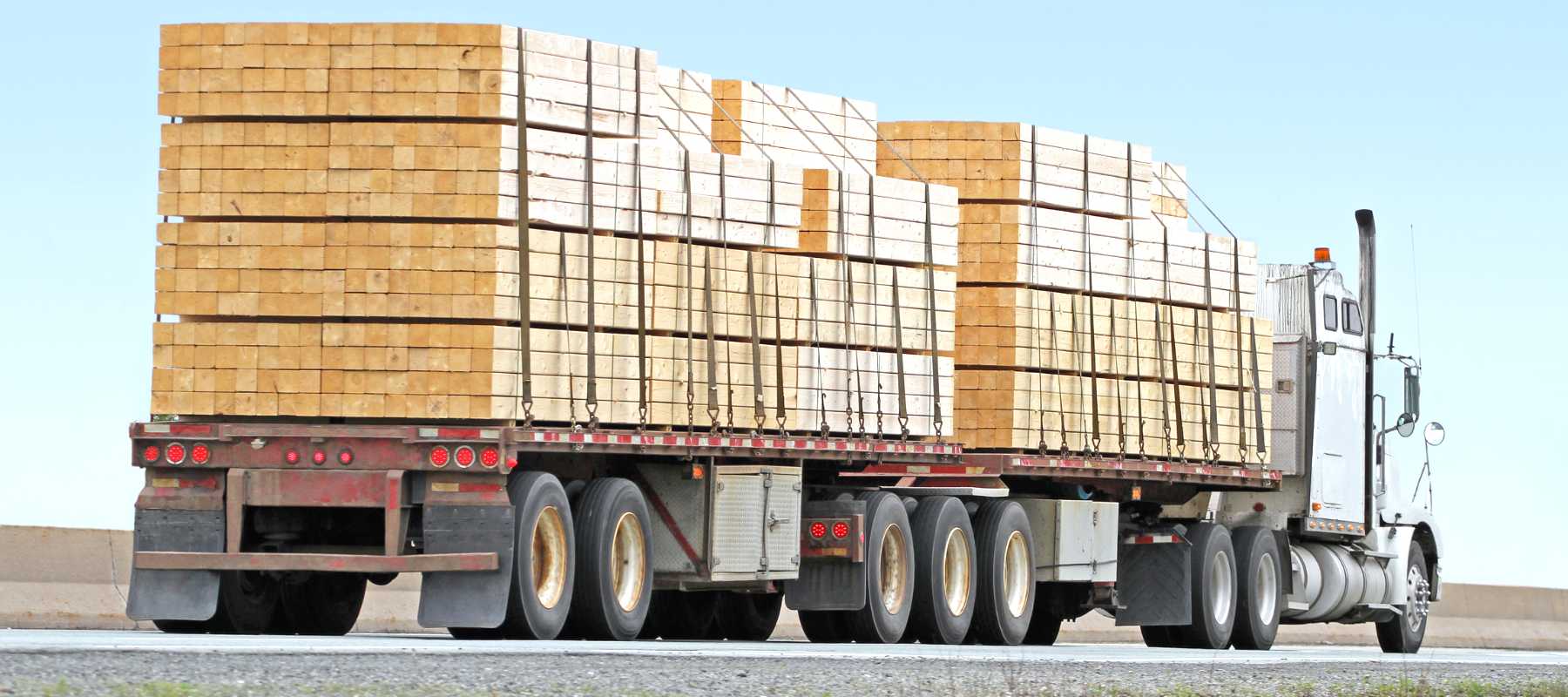
Federal rules address how cargo must be placed and secured. A shifting load can change how a trailer handles. It may cause a rollover, jackknife, or loss of load.
The driver and carrier are not always the only parties involved. A shipper, warehouse, or contractor may have controlled the load. Bills of lading, scale tickets, photos, and contracts can show who did what. Learn more about improperly loaded truck accident claims.
Drug and Alcohol Testing
Federal rules require covered carriers to maintain drug and alcohol testing programs. Testing may occur before employment, at random, for cause, or after a qualifying crash.
Not every collision triggers a federal post-crash test. A death, citation, injury, or tow-away may affect the answer. If testing was required, its timing and the company’s response may matter.
Insurance and Operating Authority
Insurance rules depend on the carrier, trip, and cargo. Hazardous-material and passenger operations may require higher limits. Texas-only carriers also face state registration and insurance rules.
Insurance does not prove fault. It does affect which policies and responsible parties must be found. See our truck liability coverage guide.
Federal Rules Versus Texas Intrastate Rules
First, decide whether the truck was in interstate or intrastate commerce. Interstate does not always mean the truck crossed the Texas border that day. Cargo may remain part of an interstate movement even if one leg remains within Texas.
A Texas-only carrier may fall under state safety rules. Texas uses much of the federal framework, with important changes. Some Texas property-carrying drivers may drive 12 hours after eight hours off. They may also have a 15-hour duty window. Check the work, cargo, route, and exceptions before using those numbers.
How Can a Safety Violation Affect a Texas Truck Accident Claim?
A violation may show what the driver or carrier should have done. It may also show a failure to meet a basic safety standard. But it must be tied to the crash.
Consider four examples:
An hours violation may matter when fatigue contributed to a rear-end collision, lane departure, or delayed reaction.
Poor maintenance records may matter when worn brakes or a known tire problem helped cause the wreck.
An incomplete driver file may matter when the missing information would have exposed an unsafe or disqualified driver.
A cargo violation may matter when an unstable or unsecured load contributed to a rollover, jackknife, or lost cargo.
A technical violation unrelated to the collision may carry little weight. The evidence should connect the safety duty, the violation, the crash, and the harm. The legal effect depends on the rule and the facts.
What Evidence Can Reveal a Trucking Regulation Violation?
The best evidence is rarely found in one document. A serious investigation may include:
Electronic logging data: Raw ELD files, edits, annotations, unidentified driving time, and supporting records.
Dispatch and communications: Messages about delivery times, routes, delays, breaks, or pressure to keep driving.
GPS and telematics: Location, movement, speed, braking, and vehicle activity.
Engine and event data: Information from the engine control module or other onboard systems.
Video: Dashcam, inward-facing camera, nearby business, traffic, or other vehicle footage.
Driver records: Qualification, training, medical, testing, prior employment, and driving history documents.
Maintenance records: Inspection reports, driver complaints, repairs, invoices, and roadside inspection history.
Cargo records: Bills of lading, loading instructions, weight tickets, photographs, seals, and securement documents.
Company safety records: Policies, audits, prior violations, corrective action, and proof of actual enforcement.
The key is comparison. A log may look proper until a fuel receipt places the truck elsewhere. A repair invoice may show the same brake complaint appeared three times. Our guide to critical evidence in an 18-wheeler accident case explains why these records matter.
How Video and Truck Data Connect a Safety Violation to the Crash
A safety violation is only part of the story. The next question is whether it helped cause the wreck. Camera footage, truck computer data, and evidence from the road can help answer that question.
A dashcam may show traffic slowing ahead of the truck. Depending on the system, the truck’s computer may record speed and braking before impact. An accident reconstruction expert can compare those records with vehicle damage, tire marks, and road conditions to explain what happened.
For example, a driver’s log may show too many hours behind the wheel. Video showing a delayed response to stopped traffic could support a closer look at fatigue. Neither fact, by itself, proves the driver was tired or caused the crash. The records need to be checked together.
I look for where the evidence agrees—and where it does not. A driver may remember braking early, while the available data tells a different story. That difference deserves careful review. We also need to check what each device recorded, whether its clock was accurate, and what information is missing.
Not every case needs a reconstruction expert. The goal is to resolve the disputed facts with reliable evidence. Our guide to early truck accident investigation explains how we work to preserve the truck, scene evidence, and electronic records before they are lost.
Why Evidence Should Be Preserved Quickly
Some records have short retention periods. Federal law generally requires carriers to keep driver logs and supporting records for six months under 49 CFR section 395.8. Other data can disappear sooner. Video may be overwritten. The truck may be repaired or returned to service.
A preservation notice should identify the driver, vehicles, dates, systems, video, messages, and company records. A demand that only says “preserve everything” may miss the data that matters most.
The first few days can shape the case. We begin with the truck, the people, the trip, and the evidence at risk. We do not let the trucking company choose which records are important.
Can You Check a Trucking Company’s Safety Record?
The USDOT number is often printed on the truck or listed in the police report. The FMCSA’s Company Safety Records page links to the free SAFER Company Snapshot. It may show the carrier, operating status, inspections, reported crashes, and any safety rating.
Public data gives background. It does not prove why one crash occurred. Compare it with evidence from the driver, truck, company, witnesses, and scene.
Texas Commercial Vehicle Crashes Remain a Serious Problem
38,533 crashes involving commercial motor vehicles;
469 fatal crashes and 528 deaths;
1,611 suspected serious injuries; and
5,913 commercial vehicle crashes in Harris County.
Those numbers show the size of the problem, not the cause of one collision. The report cannot tell us which crashes involved fatigue, poor maintenance, or unsafe hiring. That takes a focused investigation.
Greg Baumgartner’s View: Follow the Decision, Not Just the Violation
I have handled serious truck cases for more than 40 years. I do not ask only, “Was there a violation?” I ask, “What decision allowed it, who made that decision, and did it help cause this crash?”
The answer may be a tired driver or a dispatcher who kept pushing. It may be a repair that was repeatedly delayed. It may be a driver who should not have been hired. The rules show the path. The evidence must complete it.
Baumgartner Law Firm limits its serious injury and wrongful death cases so I can stay involved. We have never lost a commercial vehicle accident case. Past results do not promise a similar result. Every case depends on its own facts and evidence.
Frequently Asked Questions
Do federal trucking regulations apply to every commercial truck in Texas?
No. Federal rules generally govern interstate motor carriers, while Texas rules may govern a carrier operating only within Texas. The vehicle, cargo, route, and type of operation must be examined before deciding which rules apply.
What trucking violations are commonly investigated after a serious crash?
Common issues include excess driving time, false or incomplete logs, unsafe hiring, poor maintenance, defective equipment, improper cargo securement, drug or alcohol violations, and failure to enforce company safety policies.
Does an FMCSA violation automatically prove that the trucking company was at fault?
No. A violation can be strong evidence, but it normally must be connected to the cause of the crash and the injuries. A rule that had nothing to do with the collision may not establish liability.
How long must a trucking company keep electronic driver logs?
Federal law generally requires records of duty status and supporting documents to be retained for six months. Other records have different retention periods, and some video or electronic data may be overwritten much sooner.
How can I find the motor carrier involved in my crash?
Start with the USDOT number shown on the truck or police report. The FMCSA’s public safety databases can identify the carrier and provide limited safety information. A full investigation may reveal that other companies also controlled the driver, truck, trailer, cargo, or maintenance.
Speak Directly With Greg Baumgartner
If you or a family member suffered a serious injury or death in a Texas truck accident, call Baumgartner Law Firm at (281) 893-0760 or toll-free at 1-866-758-4529. The consultation is free and confidential. There is no attorney fee unless we recover money for you.