 Request FREE consultation - 1866-758-4529
By Greg Baumgartner, Texas Bus Accident Attorney |
Tour buses carry dozens of passengers at a time — families heading to casinos, school groups on field trips, tourists exploring Texas, and sports fans traveling to games. When one of these vehicles crashes, the consequences can be catastrophic: multiple fatalities, dozens of serious injuries, and a complex legal process that leaves survivors scrambling for answers.
Tour bus accident litigation is significantly more complicated than a standard car accident case. Multiple parties may share liability, federal and state transportation regulations may apply, and insurance coverage layers can be difficult to untangle. If you or a loved one was hurt in a Texas tour bus crash, understanding how the litigation process works — and acting quickly — can make the difference in your recovery.
| Statute of Limitations | 2 years from the date of the accident (Texas Civil Practice & Remedies Code §16.003) |
| Who Can Be Liable | Bus driver, charter company, bus owner, maintenance provider, government entity, other motorists |
| Governing Regulations | FMCSA regulations, Texas Department of Transportation rules, USDOT requirements |
| Types of Damages | Medical bills, lost wages, pain & suffering, wrongful death, punitive damages (in egregious cases) |
| Free Consultation | Call Baumgartner Law Firm: (281) 893-0760 | Toll-free: 1-866-758-4529 |
One of the most striking examples of tour bus accident litigation in Texas involved a charter bus traveling from Texas to the Choctaw Casino Resort in Oklahoma. The bus crashed outside Irving, Texas, killing three people and injuring 41 others — 15 of whom suffered serious injuries.
Witnesses reported that the bus began rattling and shaking before striking a concrete median that separated highway lanes. The vehicle rolled over, and the combination of the impact and rollover caused devastating injuries throughout the cabin.
Despite the driver reportedly having extensive commercial driving experience, the Texas Department of Public Safety ultimately forwarded the case to the Dallas County District Attorney for consideration of criminal charges. This case illustrates a critical reality: even experienced operators can be held accountable — both criminally and civilly — when passengers are harmed.
Understanding what caused a tour bus accident is the first step toward identifying who is liable. Common causes include:
Tour bus accident litigation often involves multiple defendants, which is one reason why these cases require experienced legal representation. Potentially liable parties include:
If the crash resulted from driver error — speeding, fatigue, impairment, or distraction — the driver bears direct personal liability. Texas law holds commercial passenger carriers to a higher standard of care than ordinary motorists.
Under the legal doctrine of respondeat superior, employers are liable for the negligent acts of their employees. A charter company may also face direct liability for negligent hiring, inadequate training, or failure to enforce FMCSA hours-of-service regulations.
In cases where the bus is leased or owned by a third party, the vehicle owner may share liability for allowing an unsafe vehicle to be operated on public roads.
If a mechanical defect contributed to the accident, the shop or contractor responsible for servicing the vehicle may be liable for negligent maintenance.
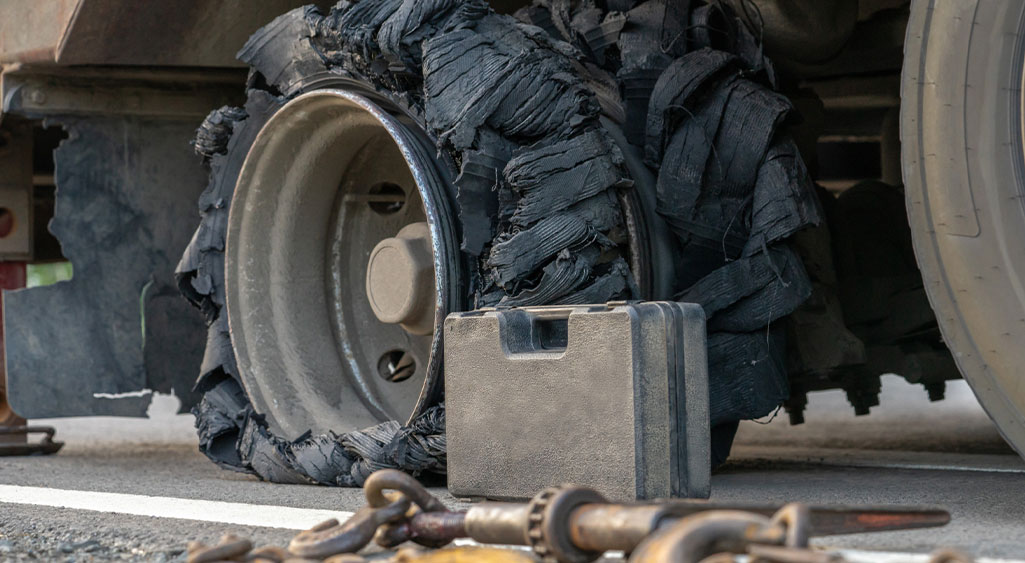
When a defective component — such as faulty brakes or a defective tire — causes or contributes to a crash, a product liability claim may be brought against the manufacturer or distributor.
If another vehicle caused the bus to crash, that driver and their insurer may also be named in the lawsuit.
Tour and charter buses that operate across state lines are regulated by the Federal Motor Carrier Safety Administration (FMCSA). These regulations establish strict requirements for:
Violations of FMCSA regulations can serve as powerful evidence of negligence in a tour bus lawsuit. An experienced attorney will obtain the company’s safety records, driver logs, inspection reports, and any prior violation history during the investigation.
Tour bus accident cases follow a structured legal process. Here is what to expect:
Victims of tour bus accidents in Texas may pursue compensation for a wide range of losses, including:
The steps you take immediately after a tour bus crash can significantly affect the outcome of your case:
Tour bus accident litigation is not a case you want to navigate alone. These cases involve:
Attorney Greg Baumgartner has represented seriously injured accident victims in Texas for over 40 years. Our firm has the resources and experience to take on large transportation companies and fight for the maximum compensation our clients deserve. We handle tour bus accident cases on a contingency fee basis — you pay nothing unless we win.
If you have been injured in a Texas bus accident, consider speaking to a expereinced bus accident lawyer as soon as possible after the accident.
What Should I do if I Was Hurt in a Houston Bus Accident?