 Request FREE consultation - 1866-758-4529
After a truck accident, the quality of evidence often determines whether you receive fair compensation or face challenges from the insurance company. Key evidence extends beyond the crash scene and may include driver logs, black box data, inspection and maintenance records, dashcam footage, cargo documents, dispatch communications, and the driver’s qualification file.
Truck accident claims differ from typical car accident cases because trucking companies often control critical evidence.
This evidence can be lost, overwritten, repaired, or become difficult to obtain if not preserved promptly. Identifying and securing records quickly increases the likelihood of proving what happened and establishing responsibility.
Below are the main types of evidence that may help support a truck accident claim and why they matter.
Truck accident claims are often defended aggressively from the outset. The trucking company and its insurer typically begin investigating immediately, gathering statements, inspecting the truck, reviewing electronic data, and building defenses before the injured party fully understands the situation.
Strong evidence can help prove:
Proper evidence can also refute false claims that the injured person caused or was primarily responsible for the accident.
Some of the most valuable evidence is available immediately after the crash.
Photos and videos can show details that are often forgotten or disputed later, including:
These images can help establish the point of impact, the collision force, and whether the truck or the trailer created a hazard.
Independent witnesses are often crucial in truck accident cases. They may have observed:
Because witness memories fade, names and contact information should be collected promptly.
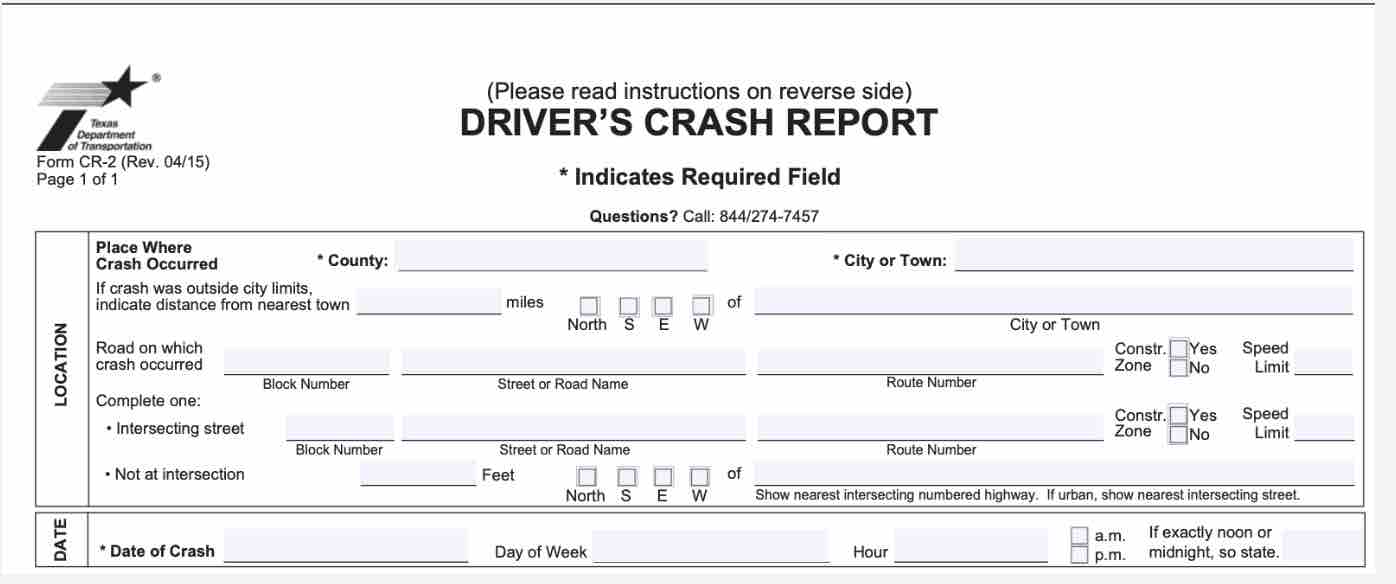
The crash report may include:
While a police report is not the only important evidence, it is often among the first records insurers review.
Commercial trucks are often equipped with electronic systems that record critical information before and during a crash.
This is often called the truck’s “black box.” Depending on the vehicle and system, it may show:
This data can confirm whether the truck driver braked too late, was speeding, or failed to respond appropriately.
Electronic logging devices can help show:
In some cases, these records may indicate that a truck driver was on the road too long, lacked adequate rest, or was pressured to continue driving.
The truck driver’s history and conduct are often central to the case.
A driver qualification file may contain information about:
This evidence may demonstrate negligent hiring, negligent retention, or inadequate driver supervision.
Post-crash testing records may be relevant. Evidence of substance use, delayed testing, or failure to follow required procedures can be significant in serious truck accident claims.
Phone records, texts, dispatch messages, and other communications may help show:
A truck accident is not always solely the driver’s fault; issues may originate at higher levels within the company.
Mechanical failure is a significant factor in many truck accident cases. Inspection, repair, and maintenance records can indicate whether the truck was safe to operate. These records can reveal problems involving:
If a trucking company operated a poorly maintained vehicle, these records may help establish negligence.
Drivers are required to inspect their trucks and report safety issues. Inspection reports can show whether problems were identified before the crash and whether the company failed to address them.
For example, if brake or tire issues were known but not addressed, this can serve as compelling evidence.
Improperly loaded or unsecured cargo can make a truck hazardous, even if the driver follows all other protocols.
Useful cargo-related evidence may include:
This evidence may help establish that the trailer was overloaded, unbalanced, or improperly secured, which can contribute to rollovers, jackknife crashes, lost-load accidents, and increased stopping distances.
Video footage can be among the strongest forms of evidence in a truck crash case.
Potential video sources include:
Video may capture the truck’s movement, traffic conditions, impact, and driver behavior in real time. Since some video systems overwrite footage quickly, it is important to identify these sources promptly.
Even when the fault is clear, a claim still requires proof of the harm caused by the crash.
Medical evidence may include:
This evidence links the crash to the injuries and demonstrates the severity of the harm suffered.
A truck accident claim involves proving both fault and damages.
Helpful damage evidence may include:
Without clear documentation of losses, insurance companies may argue that the claim is worth less than its true value.
A major challenge in truck accident cases is that some evidence may not remain available for long.
Evidence that may be lost, changed, repaired, or overwritten can include:
This is why truck accident claims often require prompt action. Delays can make it more difficult to prove a strong case.
If you are physically able after a truck accident, you can take steps to help protect your claim:
In serious truck accident cases, a lawyer may send a preservation letter requesting that critical evidence be retained and not destroyed.
No two cases are identical, but strong truck accident claims often rely on a combination of evidence, including:
The stronger the evidence, the more difficult it is for the trucking company and insurer to deny responsibility.
Truck accident claims often involve multiple potentially responsible parties. Depending on the circumstances, liability may include:
Because multiple parties may share responsibility, evidence must often extend beyond the crash itself to examine the broader trucking operation.
Truck accident cases often involve evidence controlled by the trucking company, its insurer, or other businesses associated with the load and vehicle. This is why these cases should be investigated thoroughly and as early as possible.
Our truck accident legal team serving Waco understands the types of evidence that can help prove fault and damages in a truck accident claim. We work to identify the records, data, and documents that matter in serious injury and wrongful death cases.
If you were injured in a truck accident, contact our office for a free consultation. We charge no fee unless we recover compensation for you.
Contact our attorneys for trucking accidents today to see how we may be able to help your family fight for justice!
Call today for a FREE Consultation!
The most important evidence depends on how the wreck happened, but common examples include black box data, driver log records, maintenance records, witness statements, crash-scene photos, medical records, and cargo documents.
Yes. Black box data may help show speed, braking, and other vehicle activity leading up to the crash. That information can support or contradict a driver’s version of events.
Yes. Maintenance and inspection records can show whether unsafe equipment, ignored repairs, or poor upkeep contributed to the crash.
Truck accident cases usually involve more evidence, more serious injuries, more aggressive insurance defense tactics, and sometimes multiple responsible parties. That makes a prompt and thorough investigation especially important.