Call Now Request FREE consultation - 1866-758-4529
Truck Accident Reconstruction in Texas: When Is It Needed?

Reconstruction accidents need after a truck accident.

By Greg Baumgartner, Texas truck accident attorney

Not every truck accident claim needs a full reconstruction. It is most useful when the drivers disagree about what happened, several vehicles are involved, or speed, braking, visibility, or lane position may explain the crash. The first priority is to preserve the evidence so those questions can be answered.

After a serious wreck, you should be able to focus on your health. You should not have to figure out how to inspect an 18-wheeler or locate a camera that recorded the collision. Those are tasks for your legal team and the right experts.

What Does a Truck Accident Reconstruction Expert Do?

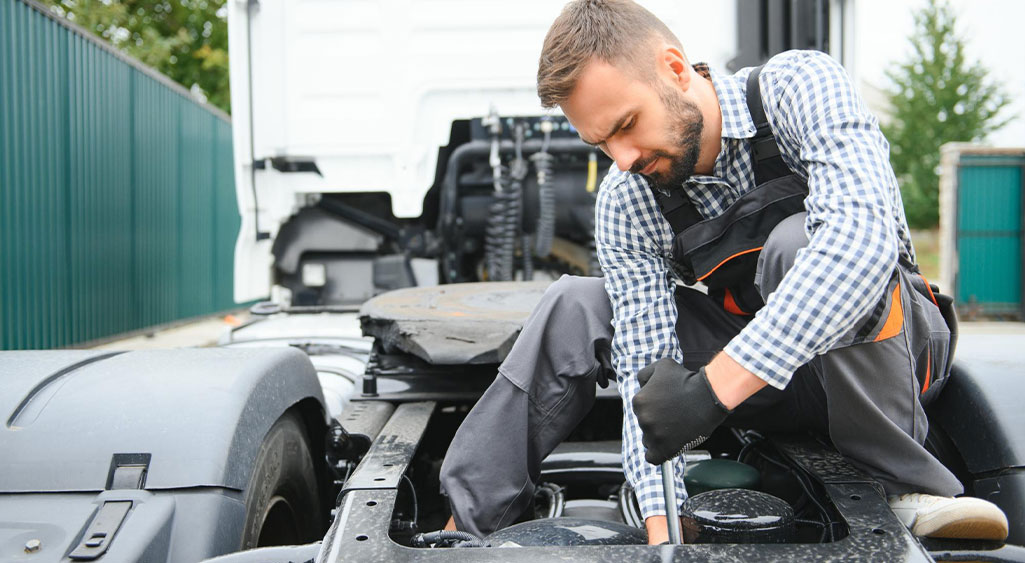
A reconstruction expert studies the physical evidence to explain how a collision happened. That work may include measuring the road, inspecting vehicle damage, reviewing video, and analyzing data from the truck.

The goal is to test each account against facts. Could the truck have stopped? Which vehicle crossed the lane line? Where did the first impact occur? A useful reconstruction answers a question that matters to the claim.

A computer animation may help explain the findings, but it is not the reconstruction itself. A convincing video still needs sound measurements, reliable methods, and facts that support its assumptions.

When Is Reconstruction Worth Considering?

Reconstruction accidents need after a truck accident.

When the Truck Driver Blames You

A driver may claim that you cut in too closely or stopped without warning. Damage patterns, camera footage, and road marks may help test that account. The expert should consider evidence that supports either side, not start with a preferred answer.

When Speed, Braking, or Visibility Is Disputed

A reconstruction may help determine when a danger became visible and whether there was enough time and distance to respond. Weather, road slope, lighting, vehicle weight, and brake condition may affect that analysis.

For example, proof that the truck braked does not answer whether the driver braked soon enough. The timing can matter as much as the act of braking.

When Several Vehicles Are Involved

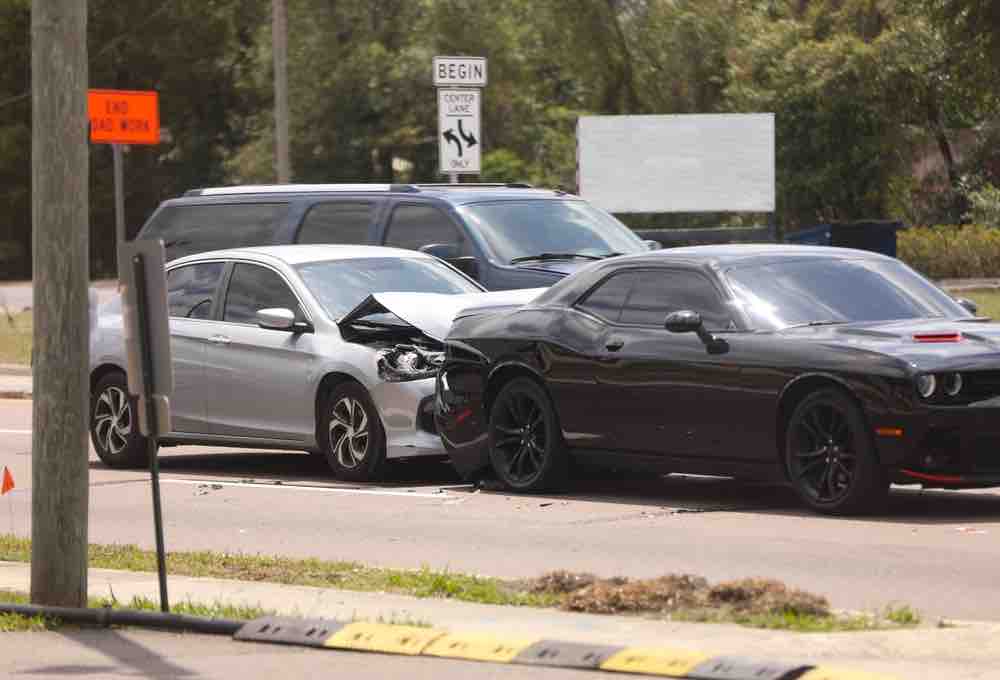
In a chain-reaction crash, the final resting places may not reveal the order of impacts. An expert may help distinguish the first collision from subsequent impacts and identify which movements caused each.

When a Serious Injury or Death Leaves Unanswered Questions

An injured person may have no memory of the crash. A family may have lost the only person who could describe it. Physical evidence can help fill those gaps. The severity of the harm alone, however, does not establish fault.

Greg’s Perspective: Start With the Question That Matters

I have represented people in serious commercial vehicle cases for more than 40 years. My focus is on evidence that can withstand the trucking company’s defenses. A police report, an electronic download, and a witness account each offer part of the picture.

The practical question is this: What fact would change our understanding of the crash? If the dispute is about a lane change, focus on the vehicles’ paths. If it is about stopping, examine speed, distance, and the driver’s reaction time.

An expert’s confidence should never replace an explanation. The analysis needs to show what the evidence supports, what remains uncertain, and whether a different assumption would change the result.

What Evidence Helps Reconstruct a Truck Crash?

Scene evidence may include tire marks, gouges in the pavement, debris locations, lane widths, sight lines, and photographs taken before the vehicles were moved. Vehicle inspections may reveal contact points and problems with brakes, tires, or lights.

The video can show the sequence directly, but the camera angle and timing still need to be reviewed. Witnesses may help explain events outside the camera’s view.

The truck’s electronic systems may also help. Some record speed changes or braking events, but the available data varies by vehicle and equipment. Our guide to truck black box data after a wreck explains those limits.

An electronic logging device, or ELD, serves a different purpose. It records driving time for hours-of-service records. The FMCSA’s explanation of electronic logging devices describes that role. Do not assume a driving log provides a second-by-second account of the collision.

Is the Police Report Enough?

A police report is a useful starting point, but it may leave important questions open. Some officers have reconstruction training and conduct detailed investigations. Others document the scene without performing a full technical analysis.

A ticket does not, by itself, resolve every issue in a civil claim. Whether a report or an officer’s opinion can be used at trial depends on the applicable evidence rules and the facts. Avoid assuming either that the report proves the entire case or that police findings have no value.

Start by getting the Texas truck accident police report. Your lawyer can compare it with the photographs, witness accounts, vehicle evidence, and any available video.

Why Early Evidence Preservation Matters

The decision to preserve evidence should not wait until a final decision is made about hiring a trial expert. Vehicles may be repaired or sold. Cameras may overwrite footage. Road marks may fade. Once that happens, some questions become harder to answer.

Our truck accident investigation and quick-response team focus on securing evidence early. Depending on the case, that may include preservation notices, vehicle inspections, scene documentation, and properly handled electronic downloads.

You can help by keeping original photos, video, witness details, and messages about the crash. Tell your lawyer where your vehicle is stored before allowing repairs or disposal. Do not enter an unsafe roadway or try to inspect the truck yourself.

How Reconstruction Can Affect Shared Fault in Texas

Reconstruction may help test a claim that you caused part of the collision. Under Texas Civil Practice and Remedies Code §33.001, a claimant cannot recover in a covered case if their responsibility is greater than 50%. Exactly 50% does not trigger that bar.

That makes accurate evidence important. The expert explains the crash mechanics; the legal process determines responsibility. No expert can promise a particular allocation of fault or a recovery.

Frequently Asked Questions

Does Every Truck Accident Need an Expert?

No. Clear video, consistent accounts, and undisputed fault may reduce the need for a full reconstruction. Even then, preserving evidence early protects your options if the defense changes its position.

Who Hires and Pays for the Reconstruction Expert?

Your lawyer generally selects and retains the expert when one is needed. Expert expenses are separate from attorney fees. Ask how costs are advanced, deducted from a recovery, and handled if there is no recovery. Your written agreement should explain this.

Can Reconstruction Still Help Months After the Wreck?

Sometimes. Photos, stored data, video, and inspection records may still support an analysis. Missing evidence can limit the conclusions. A delay is a reason to assess what remains, not to assume the case cannot be investigated.

What If the Trucking Company Has Already Hired an Expert?

Its expert’s opinion is not the final word. Your legal team can examine the underlying evidence, calculations, and assumptions and obtain an independent analysis when appropriate.

Talk With Greg Baumgartner About Your Truck Accident

If you suffered a serious injury or lost a family member, we can discuss which facts need investigation and how to protect the evidence. Learn about my work as a Texas truck accident lawyer, or request a free, confidential consultation.

Call (281) 893-0760 for a Complimentary Consultation on an Injury Accident

About Greg Baumgartner

Truck accident lawyer Greg Baumgartner
Greg Baumgartner is a preeminent rated personal injury lawyer based in Houston, Texas, with over three decades of experience representing severely injured clients in truck accidents. He founded Baumgartner Law Firm, in 1985, with a mission to provide excellent legal representation and personalized attention to every client.