 Request FREE consultation - 1866-758-4529
Certainly, there can be no argument that speeding is dangerous and the cause of thousands of accidents and deaths each year. But driving under the speed limit is equally as dangerous – and a topic not many people consider. Driving slowly, especially when it disrupts the normal speed of traffic moving in the same direction, can be subject to legal scrutiny and may result in a ticket for impeding traffic.
Unless a minimum speed limit is posted, highway driving has no fixed minimum speed. Sometimes, weather conditions dictate driving under the posted speed limit to ensure safety. However, slow drivers must still avoid impeding traffic flow, and minimum speed limits may be required by law or posted in certain areas.
However, you can be cited for obstructing traffic if, indeed, you are impeding the safe forward progress of other vehicles on the roadways. Texas Transportation Code Section 545.363 provides:
“An operator may not drive so slowly as to impede the normal and reasonable movement of traffic, except when reduced speed is necessary for safe operation or in compliance with law.”
Sometimes, weather conditions dictate driving under the posted speed limit to ensure safety.
Driving too slowly can be a traffic violation if it impedes normal traffic speed or flow, and maintaining normal speed is a legal expectation unless safety requires otherwise. The general rule is that a vehicle traveling below the normal flow speed at a given time may be cited, and the law evaluates the driver’s speed at that time.
Getting a ticket for driving too slowly is possible, particularly on the highways. If a driver is traveling 15 miles below the speed limit in good driving conditions, this may be considered impeding traffic and an offense. Driving slower than the normal speed of traffic in the left lane, or in multiple lanes, can result in a ticket. The right lane, or slow lane, is designated for slower vehicles. The base fine for such traffic violations varies, and drivers may receive a ticket even if they are driving the speed limit if they are impeding traffic moving in the same direction.
The times that require a driver to slow their vehicle below-posted speed limits include the duty to “decrease speed when approaching and crossing an intersection when approaching and going around a curve, when approaching a hill crest, when traveling upon any narrow or winding roadway, or when special hazards exist with respect to pedestrians or other traffic or by reason of weather or highway conditions.” Examples include sharp curves, one-lane roads, or safe turnouts that allow slow vehicles to pull over and allow faster traffic to pass. On two-lane highways, signs erected may indicate designated turnouts, and drivers must use a safe turnout when a long line of vehicles is behind them.
Further, speed must be decreased as necessary to avoid a collision. Safety considerations and the need to maintain a lower speed may justify deviating from the posted limit or normal speed.
When driving below the speed limit, it is important to stay near the right-hand edge or in the right lane unless overtaking or preparing for a left turn. The minimum speed limit and the posted limit are legal thresholds, and slow drivers can be ticketed for failing to maintain them. In situations involving trucks or slower-moving vehicles, passing is allowed, but drivers must be cautious of oncoming traffic.
In summary, slow driving and other traffic violations can result in fines and demerit points, and slow drivers should be aware of the risks of impeding traffic.
Speeding is widely acknowledged as a dangerous driving habit. It is considered dangerous because it significantly contributes to fatal traffic accidents, accounting for approximately one-third of such incidents. However, it is essential to recognize that driving too slowly can also be hazardous and is seen as equally dangerous as speeding.
Speeding threatens road safety by disrupting the established flow of traffic. By exceeding the prescribed speed limit, drivers create a disparity between their vehicle’s speed and that of other vehicles sharing the road. This discrepancy in velocities can lead to confusion and frustration among other drivers, increasing the likelihood of accidents.
Speeding is very dangerous, especially when it happens with a commercial vehicle. Speeding the speed limit with large trucks is especially dangerous, given the length of time they need to come to a stop.
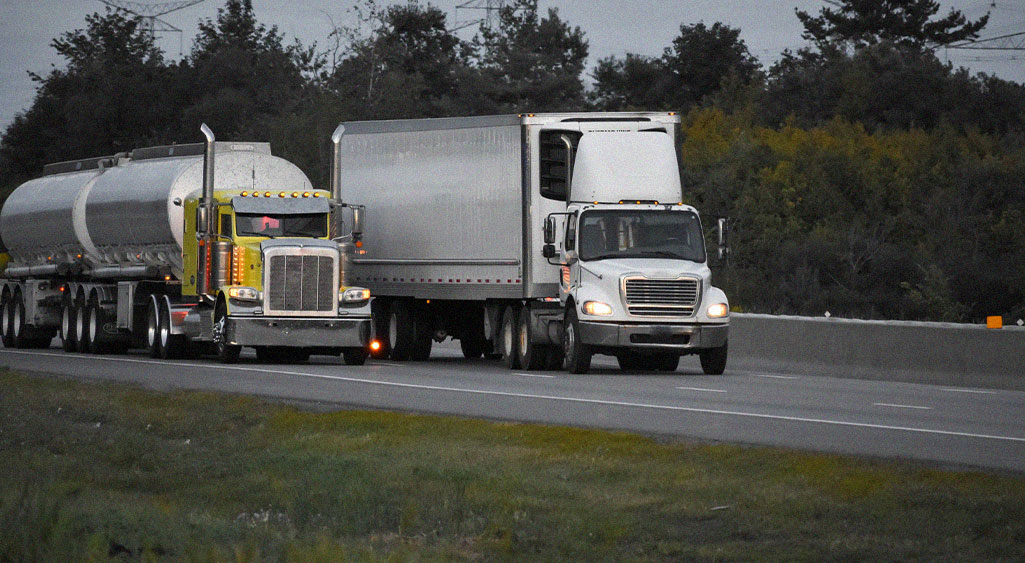
One of the leading causes of car accidents is speed disparity. You can have a truck going so slow on the highway that it is a hazard to the motoring public. Or worse, an illegally parked semi-truck.
Overall, it’s best to use common sense. Slow down in nasty weather; otherwise, in good driving weather, stay at or near posted speed limits on busy highways and always slow down when necessary to avoid an accident.
Impeding traffic can create a host of problems on the road, including:
Driving too slowly can also reduce overall traffic flow efficiency, causing delays and congestion. Furthermore, impeding traffic can have a ripple effect, impacting not only the driver who is driving too slowly but also other drivers on the road.
You may also wish to consider your vehicle’s position relative to an 18-wheeler, as big trucks have known blind spots that can cause many accidents. Also, it takes a commercial truck up to 1/3 longer to stop, so having a truck on your tail is to be avoided whenever possible. Add in adverse weather conditions, and crashes become more likely.
There are various reasons why a driver may be driving at a slow speed, including:
Penalties for driving too slowly can vary by location and circumstances. Fines can range from $50 to $200 or more, and accumulating points on a driver’s license can lead to increased insurance rates. In some cases, drivers may also face the option to defend themselves or question the citation in court.
We recommend hiring an attorney for a traffic ticket. Some attorneys specialize in traffic ticket defense. Commercial vehicle drivers should always consider retaining a traffic ticket attorney, given the consequences of a ticket for their insurance coverage and ability to continue driving as a commercial driver.
If you receive a ticket for driving too slowly, there are several defenses you can use to contest the citation, like:
It’s essential to seek legal advice from a qualified attorney to understand your rights and options in a traffic-ticket case. A lawyer can help you with the legal process and potentially get the citation dismissed or reduced.
Related Resources:
Why We Need Federal Maximum Speed Limits for Trucks
Speed governors to be required for big rigs
Houston Speeding Truck Accident Attorney Near Me
Tire Failure and Semi Truck Accidents
What You Need to Know About Investigating an 18-Wheeler Accident in Texas
Construction Worker Killed While Placing Cones at Crosby Freeway