 Request FREE consultation - 1866-758-4529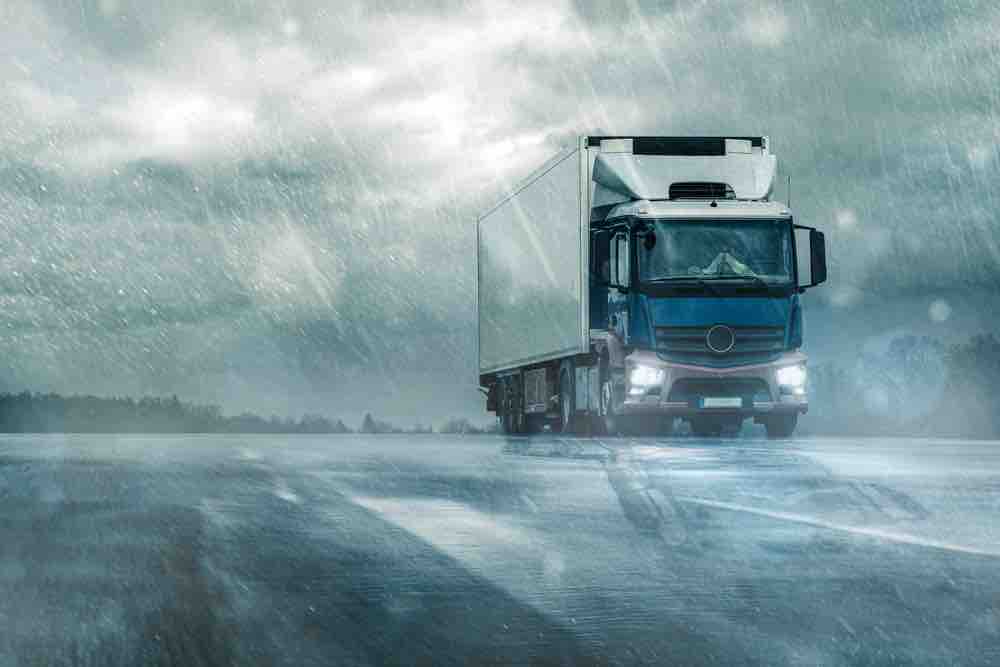
| Quick Answer: A truck driver or motor carrier may be responsible for a bad-weather crash when the driver fails to slow down, increase following distance, or stop when conditions become unsafe. Weather can contribute to a collision, but it does not erase the safety duties that apply to commercial drivers. |
Rain, fog, ice, dust, and high winds can turn a normal Texas highway into a dangerous place within minutes. An 18-wheeler needs more room to slow down and is harder to control when traction or visibility disappears. That is why professional drivers must respond before conditions become critical, not after they lose control.
After more than 40 years of handling commercial-vehicle cases, I look past the simple statement that “the weather caused it.” The better question is: What did the driver and trucking company know, and what did they do about it? A careful investigation often shows whether the crash was truly unavoidable or whether someone kept moving too fast for the conditions.
Responsibility depends on the facts. The truck driver may be at fault for driving too fast, following too closely, braking too late, or continuing to drive after conditions became unsafe. The motor carrier may also be responsible for unsafe dispatch decisions, poor training, weak weather policies, or pressure to meet a delivery deadline.
Other parties can matter too. A maintenance contractor may have ignored worn tires or faulty brakes. A trailer-loading company may have created an unstable load that made the truck harder to control in wind or on a slick road. Our guide to who may be responsible for a truck accident explains why a serious commercial crash may involve more than one defendant.
“Weather is part of the scene, not the end of the investigation. I want to know the truck’s speed, when the driver first saw the danger, what dispatch was saying, and whether a safer driver would have slowed down or stopped.” — Greg Baumgartner
Many commercial drivers and motor carriers are subject to the federal and Texas trucking regulations. One of the most important weather rules is 49 C.F.R. § 392.14. It requires extreme caution when snow, ice, sleet, fog, mist, rain, dust, or smoke affects visibility or traction.
Under the rule, the driver must:
A posted speed limit does not guarantee that the speed is safe during a storm. FMCSA’s guidance on driving too fast for conditions tells commercial drivers to match their speed to the road, weather, visibility, and traffic.
Heavy rain reduces visibility and tire grip. Standing water can cause hydroplaning. A driver who waits too long to brake may rear-end stopped traffic or lose control of the trailer. Wet roads also increase the need for a larger cushion between the truck and vehicles ahead. See the rules and practical issues involving a trucker’s safe following distance.
Low visibility can hide stopped traffic, lane closures, and emergency vehicles. A professional driver should not continue at highway speed when the safe stopping distance extends beyond what the driver can see.
Black ice can be difficult to see, especially on bridges and elevated roads. Sudden steering or hard braking may cause the tractor and trailer to move in different directions. The result can be a multi-lane jackknife truck accident. A forecasted freeze also raises questions about route planning and the decision to dispatch the truck.
A strong crosswind can push a trailer into another lane or cause it to overturn. Empty and lightly loaded trailers may react differently from loaded trailers. The driver and carrier should consider wind warnings, trailer weight, exposed bridges, and whether to delay the trip.
A weather case should not focus only on the person behind the wheel. Motor carriers control schedules, dispatch, training, equipment, and many of the safety decisions that shape the trip.
Possible company failures include:
A company is not automatically liable because one of its trucks crashed during bad weather. The evidence must connect the driver’s or company’s conduct to the collision.
Weather cases are won or lost on details that may not appear in the police report. The truck’s electronic control module may show speed, throttle, braking, and other data near the impact. GPS records can show the route and movement of the truck. Dash cameras may reveal visibility and traffic conditions seconds before the crash.
Other useful evidence may include:
Some electronic and video evidence can be overwritten. A prompt preservation request can make a major difference. Our article on evidence to preserve after a Texas truck accident explains what should be secured and why timing matters.
“I like to place the truck’s speed and braking data beside the actual weather timeline. That comparison can tell us whether the driver reacted to the danger or simply drove into it.” — Greg Baumgartner
The defense may argue that rain, ice, or fog made the crash unavoidable. Sometimes severe weather truly is a major cause. But the word ‘weather’ does not settle the case. The issue is whether the driver used reasonable care and followed the safety rules before the collision.
A driver who reduces speed, creates more space, watches conditions, and stops when travel becomes unsafe is responding to the risk. A driver who maintains highway speed in poor visibility, follows traffic too closely, or keeps driving after control becomes doubtful presents a very different case.
Your health comes first. Call 911, accept needed medical care, and move to a safe place if you can. If it is safe to do so, photograph the vehicles, roadway, standing water, ice, visibility, tire marks, debris, and the truck’s identifying information. Save weather alerts and any photos or videos taken near the time of the crash.
Do not climb onto the truck or put yourself in traffic to collect evidence. Get witness names and contact information, but let trained investigators handle the dangerous parts of the scene. Avoid guessing about fault in a recorded statement before the facts are known.
An injured person may seek compensation for losses caused by the crash, including medical expenses, lost income, reduced earning ability, physical pain, mental anguish, impairment, and disfigurement. Families may have a wrongful-death claim when a loved one is killed. The available damages depend on the evidence and the facts of the individual case.
Greg Baumgartner won his first serious injury truck accident in 1985 and has spent more than four decades representing people harmed in serious commercial-vehicle crashes. Greg remains intentionally selective in the cases he accepts to provide the best possible representation for his clients.
In a bad-weather case, the early focus is practical: preserve the truck’s data, document the conditions, obtain dispatch communications, inspect the equipment, and compare the driver’s decisions with the federal safety rules. That work helps separate an unavoidable event from a preventable crash.
Can a truck driver be liable for crashing in heavy rain?
Yes. A driver may be liable if the driver failed to reduce speed, increase following distance, or stop when the truck could no longer be operated safely. Liability depends on the facts and the driver’s conduct.
Does federal law require truck drivers to stop in dangerous weather?
It can. Under 49 C.F.R. § 392.14, operation must be discontinued when conditions become sufficiently dangerous, and it cannot resume until the commercial vehicle can be safely operated.
What evidence shows that a truck was moving too fast for conditions?
Electronic truck data is often important. ECM data, GPS records, dash-camera footage, witness accounts, scene evidence, dispatch communications, and weather records may show the truck’s speed and the conditions the driver faced.
Can the trucking company be responsible even if the driver made the mistake?
Yes, depending on the evidence. The company may share responsibility for unsafe dispatching, poor training, unreasonable delivery pressure, or failure to maintain equipment needed for safe operation.
How soon should evidence be preserved?
As soon as reasonably possible. Video, electronic data, scene evidence, and company records may be lost or overwritten. Prompt action is especially important when injuries are severe, or fault is disputed.
If you or a family member was seriously injured in a weather-related commercial-truck crash, contact an experienced Texas truck accident lawyer to discuss what happened and what evidence should be preserved. Baumgartner Law Firm offers a free consultation, and there is no attorney’s fee unless we recover compensation for you.
Call Greg Baumgartner at (281) 893-0760.
Contact us today to schedule a free consultation about your accident- call (281) 893-0760.