 Request FREE consultation - 1866-758-4529
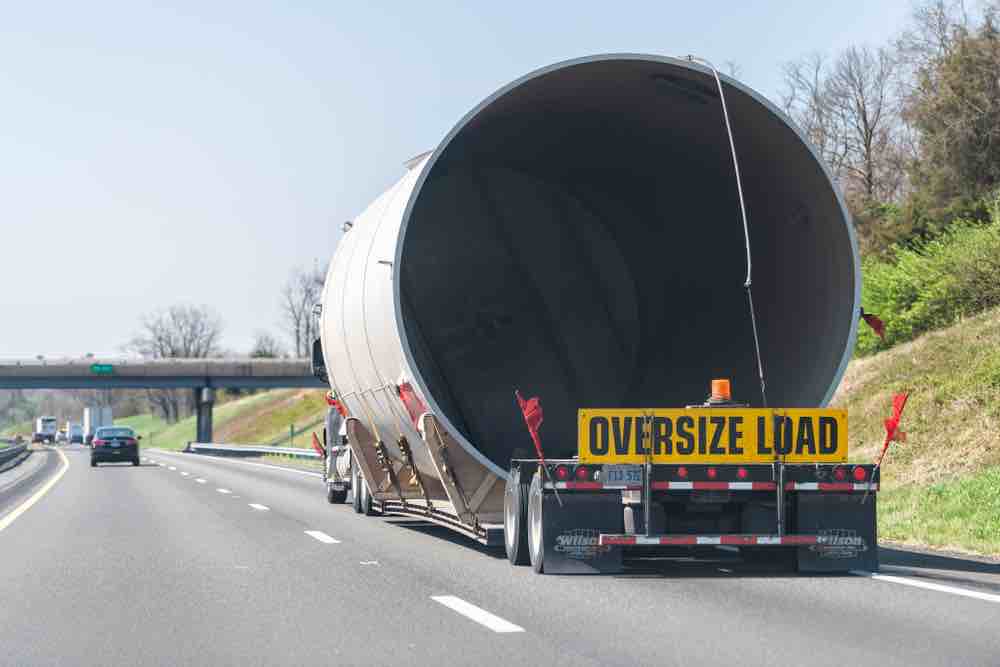
Getting rear-ended is scary in any car. But when the vehicle behind you is a fully loaded commercial truck, the stakes are much higher. A big rig can weigh up to 80,000 pounds. A typical car weighs only about 4,000 pounds. That huge size gap is why a rear-end crash with a truck so often leads to serious harm.
If a truck has hit you from behind, or you just want to drive more safely around big rigs, this guide is for you. We explain how these crashes happen, why trucks take so long to stop, who may be at fault, and what to do next. A rear-end truck accident lawyer can walk you through your options, but knowing the basics first puts you in a stronger spot.
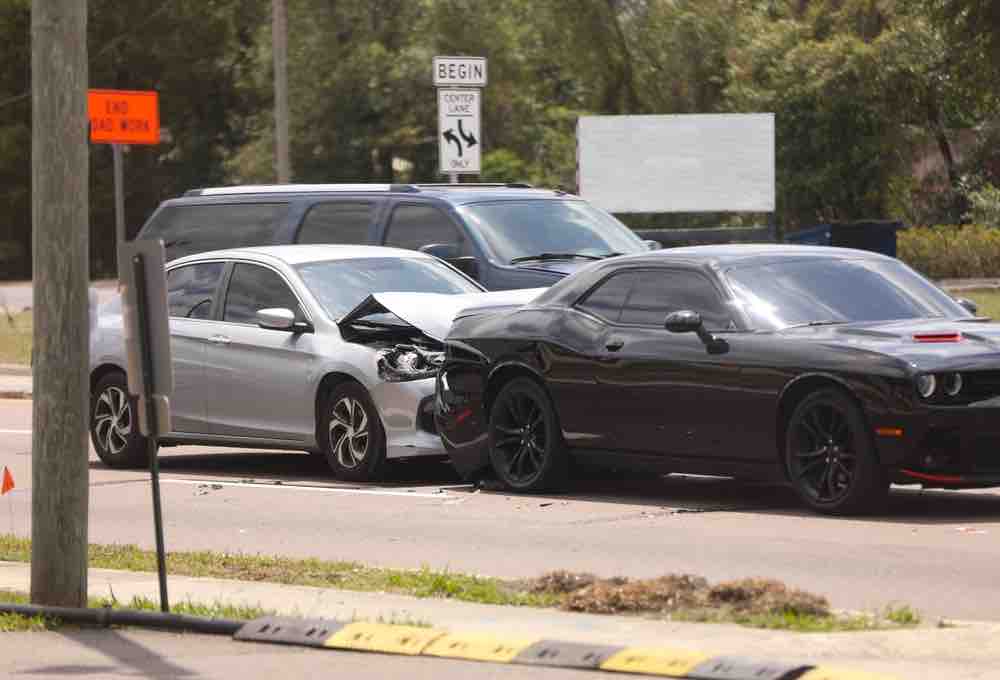
A rear-end crash happens when one vehicle strikes the back of the vehicle in front of it. Common triggers are distraction, following too close, sudden stops, and bad weather. When a passenger car is involved, the damage is often a dented bumper. When a commercial truck is involved, the force can crush a smaller vehicle.
The reason comes down to weight and speed. A truck carries far more force than a car going the same speed. The Insurance Institute for Highway Safety (IIHS) notes that large trucks can weigh 20 to 30 times as much as a passenger car. That extra mass is also why these wrecks can cause serious truck accident injuries, from whiplash and broken bones to spinal and brain injuries.
One of the biggest factors in a rear-end truck crash is stopping distance. A truck simply cannot stop as fast as a car. According to the Federal Motor Carrier Safety Administration (FMCSA), a fully loaded truck traveling at 65 mph needs about 525 feet to stop. A passenger car at the same speed needs about 316 feet. That truck distance is close to the length of two football fields.
The IIHS crash data on large trucks puts it another way: loaded tractor-trailers need 20% to 40% more room to stop than cars do. On wet, icy, or poorly maintained roads, that gap grows even more. Safety programs like Utah DOT’s TruckSmart use the same two-football-field comparison to warn drivers.
Brakes matter too. Most trucks use air brake systems, which work differently than the brakes in a car. Air brakes take a moment longer to fully engage, which adds to the total stopping distance. If you want a deeper look, see our guides on how long it takes an 18-wheeler to stop and how stopping distance drives rear-end truck wrecks.
Most of these crashes trace back to a few clear causes:
Want to know why these wrecks hurt so much? Our article on why rear-end collisions are so dangerous breaks down the injury risks in plain terms.
People often assume the driver in back is always to blame. That is usually true, but truck cases can be more complex. Sorting out fault takes a real investigation into driver actions, truck upkeep, and traffic laws. Our overview of who is responsible for a truck accident explains the parties that may share blame.
More than one party can be at fault. The truck driver, the trucking company, or a maintenance contractor may each carry some responsibility. Trucking firms can be liable when they cut corners, which is why negligent trucking companies are a frequent focus in these claims. Texas uses comparative fault rules, so compensation is divided based on each party’s share of blame.
If you were hurt, you may be able to recover money for medical bills, lost wages, and pain and suffering. The value of a case depends on the injuries and the facts; you can learn more about how much truck accident settlements are worth. A skilled Texas personal injury lawyer can review your situation and explain what your claim may be worth.
You can’t control every truck on the highway, but you can cut your risk:
The steps you take right after a crash can protect both your health and your claim:
An experienced Houston truck accident lawyer can preserve key evidence, like the truck’s logs and maintenance records, before it disappears. If you’re weighing your choices, here’s why injured families choose our firm.
Rear-end crashes with commercial trucks can leave you facing pain, high bills, and tough questions. You don’t have to sort it out alone. At Baumgartner Law Firm, we’ve spent decades helping injured Texans hold trucking companies accountable.
Reach out for a free, no-pressure consultation. Contact us today or call (281) 893-0760 to talk through what happened and learn your next steps.