 Request FREE consultation - 1866-758-4529
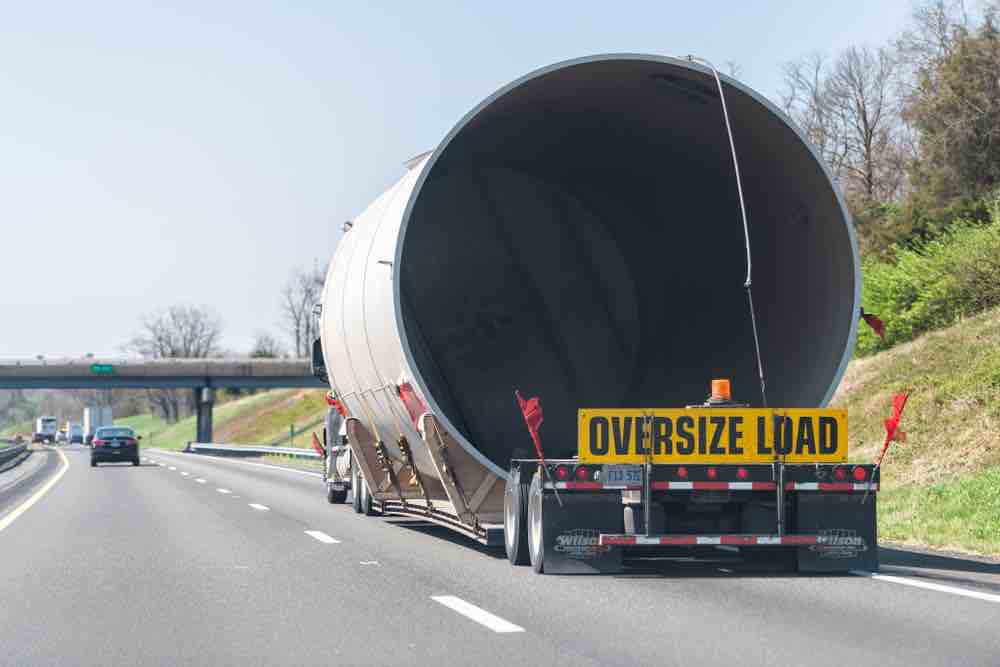
An 18-wheeler hauling an oversize load can strike a bridge, pull down power lines, or crowd another driver out of a lane. If you were hurt, start with three questions. How tall or wide was the truck as loaded? What route was it supposed to take? What warnings did the driver or pilot car operator receive?
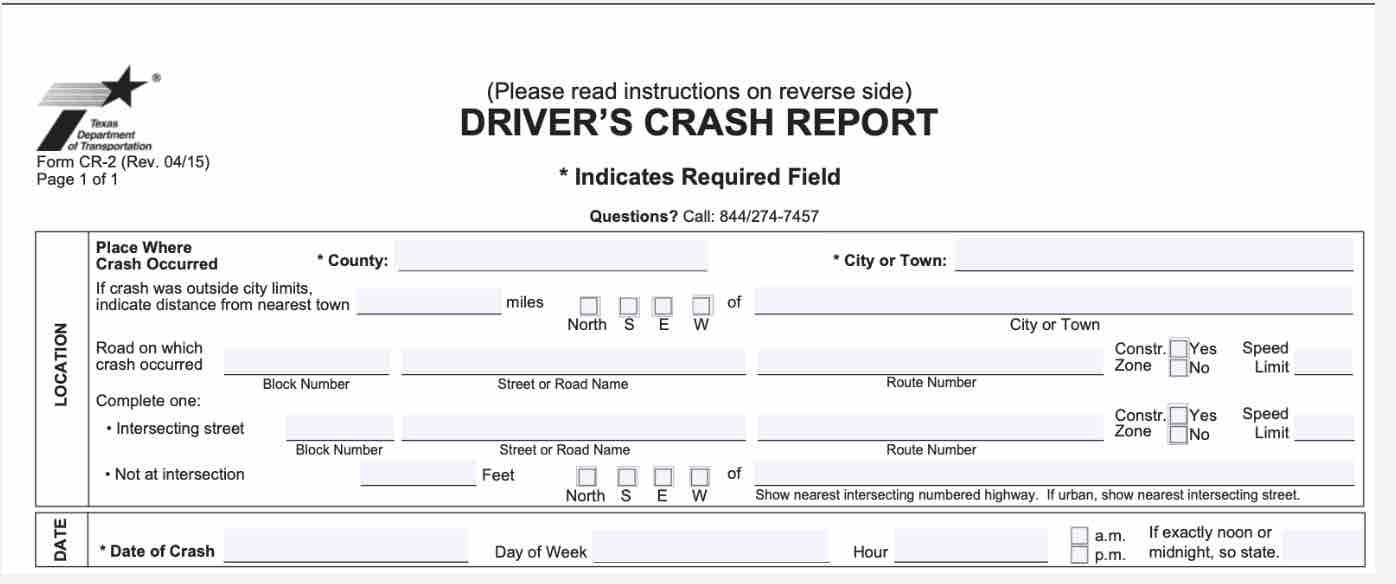
I’m Greg Baumgartner. I’ve handled serious truck accident cases for more than 40 years. The crash report gives me a starting point. In an oversize load case, I want to see the permit, the actual load measurements, and the records showing who planned the trip.
For most trucks and their loads, Texas lists a standard maximum width of 8 feet 6 inches and a maximum height of 14 feet. Height is measured from the road surface to the highest point of the vehicle or its load. Length and weight limits depend on the vehicle and its setup. See TxDMV’s Texas size and weight limits.
A truck or load that exceeds the applicable limits generally needs a permit. Some permits specify an approved route. The load’s dimensions and the road type can also affect where pilot cars must travel. Certain overheight loads require a front escort with a height pole to check overhead clearance. See the Texas oversize permit rules and escort and equipment requirements.
I want to know what the people moving the load knew before they reached the bridge or power line. I would compare these records as early as possible.
Clearance can vary by lane. In 2013, an oversize load hit the Skagit River Bridge in Washington while traveling in a lane with insufficient overhead clearance. Part of the bridge collapsed. Three people suffered minor injuries, and everyone survived. Investigators identified problems with route planning and escort communications in the NTSB’s Skagit River Bridge investigation.
The driver’s decisions are one part of the case. The trucking company may have planned the move or assigned the route. A loading company may have put the wrong equipment on the trailer. A pilot car operator or outside route planner may also bear responsibility, depending on what they agreed to do and how their actions contributed to the crash. Read more about who may be liable in a truck wreck.
A Texas case shows why I look at the loading yard. In 2015, a boom lift on a conventional flatbed struck an I-35 overpass under construction near Salado. A falling beam killed a pickup driver. The hauling assignment called for a different piece of equipment. The evidence put the loaded height at 14 feet 7 inches. That haul required a permit, which had never been obtained. The facts are set out in the Texas Supreme Court’s opinion on the Salado crash. A case can involve both an oversize load and unsafe loading.
Call 911 after a serious crash and stay clear of downed power lines. From a safe location, save any dashcam footage and note the road, direction of travel, and nearest exit or cross street. If you have photos of the truck, load, escort vehicle, or clearance signs, keep the originals. The sooner you know these details, the easier it may be to identify the records that can help prove a truck crash claim.
If an oversize load seriously injured you or killed someone in your family, I can review what happened and explain what records we would look for. Call (281) 893-0760 or request a free case review.