 Request FREE consultation - 1866-758-4529
After a serious truck accident, preserve the evidence that may disappear first: photos and video from the scene, witness statements, nearby surveillance footage, the truck itself, electronic data, driver logs, dispatch records, maintenance files, and cargo records. Some of this evidence is available to you. Much of it is controlled by the trucking company and may require a preservation request, subpoena, or lawsuit to obtain.
The important point is not to collect every record a trucking company has ever created. The goal is to preserve the evidence that can answer three questions: What caused this crash? Who is responsible? What did the collision do to the person who was hurt?
A serious 18-wheeler case often has more evidence than a normal car wreck, but some of that evidence has a short life. Video may be overwritten. Electronic records may be retained only for a limited period. The truck may be repaired and returned to service. Skid marks and debris disappear. Witnesses become harder to locate.
That is why I look at evidence preservation early in a serious truck case. Speed matters, but judgment matters too. If liability is obvious and well documented, there may be no reason to spend thousands of dollars chasing marginal evidence. If fault is disputed, the injuries are catastrophic, or a death occurred, early preservation can be one of the most important steps in the case.
Greg Baumgartner insight: “The first question is not ‘What can we request?’ It is ‘What evidence could change the outcome of this case, and how long do I have to get it?’”
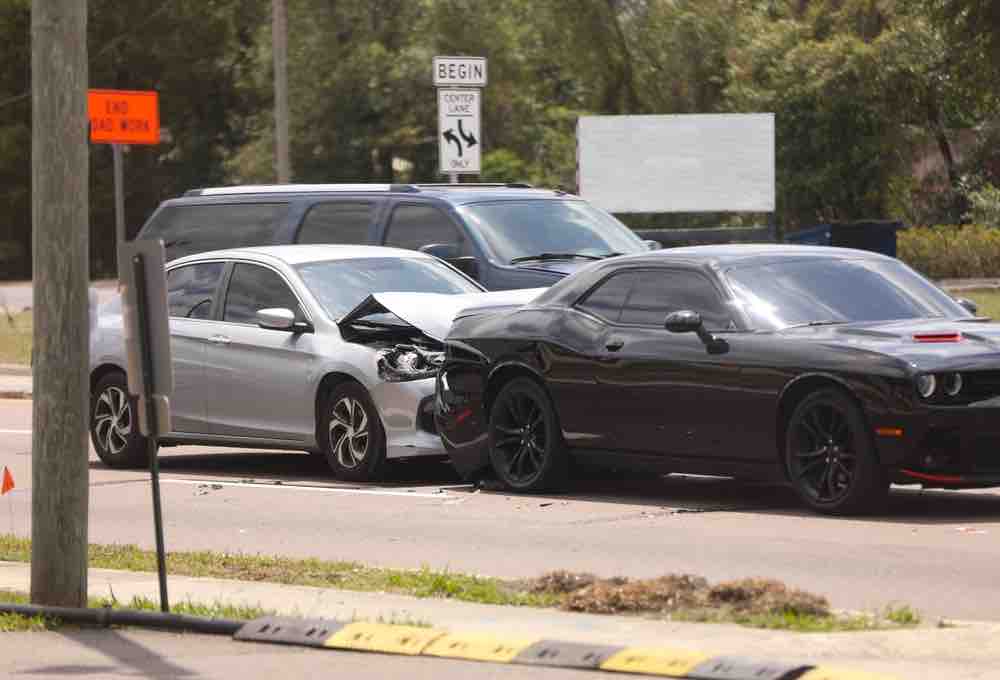
If you are physically able and it is safe, use your phone to document the scene before vehicles are moved and cleanup begins. Useful photographs and video may include:
Do not put yourself in traffic to get a better photograph. Your safety and medical care come first.
Independent witnesses can be especially important when the truck driver and injured driver give different accounts. Get a name, phone number, and email address if you can. Do not assume the police report will identify every person who stopped.
Look for businesses, homes, toll equipment, buses, delivery vehicles, dash cameras, or other sources that may have captured the crash. Some systems overwrite footage quickly. Identifying the source early can make the difference between obtaining the video and losing it.
For a broader checklist of immediate steps after a collision, see what to do after an 18-wheeler accident in Texas.
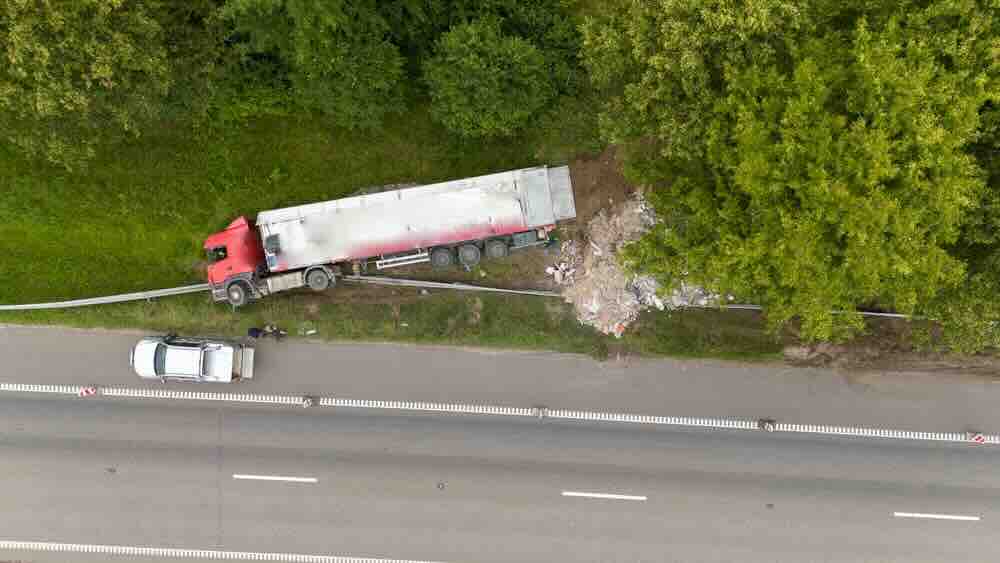
This is where truck cases become different from ordinary car accident claims. The injured person usually cannot simply ask a carrier for its electronic data and internal files and expect the company to hand them over. Important records may need to be specifically identified and preserved before formal discovery begins.
Depending on the truck and its systems, electronic data may help show speed, engine operation, braking, throttle position, sudden deceleration, fault codes, or other events around the collision. The exact information available depends on the truck, engine, equipment, and fleet technology. There is no single federal rule that makes every heavy truck record the same crash data.
Because this subject can become technical quickly, our separate guide explains black box data after a truck wreck in more detail.
When federal hours-of-service rules apply, ELD and records-of-duty-status information can help show how long the driver had been driving or working. That can matter when fatigue is a possible cause. ELD data should not be confused with crash-event data from an engine or vehicle system; they answer different questions.
FMCSA states that motor carriers generally must retain ELD records of duty status and backup data for six months. See the FMCSA ELD rule guidance.
Many fleets use cameras and telematics systems to monitor vehicles and drivers. Depending on the system, these records may show lane position, following distance, speed, hard braking, route history, location, driver alerts, or events before the impact. The existence and retention period of this material varies by carrier and vendor, which is why a preservation request should identify it specifically.
A crash investigation should look beyond the driver’s hands on the steering wheel. Dispatch messages, route assignments, delivery deadlines, work-app messages, trip sheets, time records, and other communications can help explain why the driver was where he or she was and whether company pressure or scheduling contributed to unsafe driving.
In my experience, these business records can sometimes tell the story better than a short police narrative. They can show what the driver was being asked to do before the crash.
If brakes, tires, steering, lighting, coupling equipment, or another mechanical condition may have contributed, maintenance records can be critical. Federal regulations require covered motor carriers to systematically inspect, repair, and maintain vehicles under their control and to keep specified maintenance records.
The current federal rule is 49 C.F.R. § 396.3, which also contains record-retention requirements.
A serious case may require a review of the driver’s qualifications, licensing, training, prior safety problems, employment history, medical certification, and supervision. These records matter most when the facts suggest the company knew—or should have known—about a safety problem connected to the crash.
Public records can provide a starting point. FMCSA’s SAFER Company Snapshot can show carrier identification, inspection information, crash data, and safety-rating information. A public safety record is a screening tool, however, not proof that a carrier caused a particular crash. Our guide explains how to check a trucking company’s safety record.
Bills of lading, weight tickets, loading instructions, cargo-securement records, and shipping documents may matter when a load shifts, cargo falls from a trailer, the truck is overloaded, or trailer weight contributes to stopping or handling problems. These records can also identify additional companies involved in the shipment.
Federal post-accident testing is not required after every truck crash. The rule depends on the type of crash and, in some nonfatal crashes, whether the commercial driver receives a qualifying citation. When testing is required, the records can become important evidence. FMCSA provides a useful chart explaining when post-accident drug and alcohol testing is required
Commercial vehicle accident cases generally involve more relevant evidence than a typical car accident crash. The applicability of federal trucking regulations and the potential for multiple parties, including drivers, motor carriers, maintenance contractors, and cargo shippers. The more serious the injuries in the accident and the number of parties involved increases, the risk of losing evidence increases if it is not quickly secured.
Sometimes the most important evidence is the equipment itself. If a mechanical failure, tire problem, brake issue, underride component, trailer connection, lighting defect, or other physical condition may have played a role, an inspection before repair can be important.
A preservation request can identify the tractor, trailer, components, onboard systems, photographs, downloads, and repair history that should not be altered before a reasonable opportunity for inspection. The right scope depends on the case. A blanket demand to preserve everything is less useful than a focused request tied to the suspected cause of the wreck.
A preservation letter—sometimes called a spoliation letter—puts a person or company on notice that specific evidence may be relevant to a claim and should not be destroyed, overwritten, altered, or discarded. In a truck case, it may identify electronic data, video, logs, dispatch records, maintenance files, the truck and trailer, driver records, and cargo documents.
A letter does not magically give the injured person possession of those materials. Some records may later require formal discovery, a subpoena, an agreement for inspection, or a court order. Its immediate purpose is preservation.
There is no universal list that deserves equal attention in every case. I generally start with the suspected cause of the crash and work backward.
| Possible Issue | Evidence I Would Look For |
| Speed or failure to brake | Electronic event data, dash cam, video, GPS/telematics, scene measurements |
| Driver fatigue | ELD/RODS, dispatch records, trip records, payroll/time records, communications |
| Distracted driving | Phone records, work-app data, dispatch messages, video |
| Mechanical failure | Truck inspection, maintenance and repair records, prior driver reports, component evidence |
| Unsafe company practices | Hiring, training, supervision, safety policies, prior complaints, dispatch and scheduling records |
| Cargo or loading problem | Bills of lading, weight tickets, loading and securement records, contracts |
The truck driver is not automatically the only responsible party. Evidence may point to the motor carrier, employer, truck or trailer owner, maintenance contractor, cargo company, manufacturer, or another driver. The right defendants should come from the facts—not from naming every company connected to the shipment.
For more on that issue, see who may be responsible for an 18-wheeler wreck.
For a major injury or wrongful death case, I would focus on the evidence with the greatest risk of disappearing and the greatest ability to change the liability analysis. That usually means identifying video sources, documenting the scene, locating witnesses, determining what electronic systems were on the truck, preserving the vehicle when mechanical issues are possible, and identifying the carrier records tied to the driver’s trip.
That approach is different from generic law-firm advice to “collect evidence.” A truck case is built by asking the right factual questions early and preserving the records that can answer them.
If you are evaluating a serious commercial truck case in Texas, our Texas truck accident lawyer page explains how we investigate these claims and the types of cases we handle.
As soon as reasonably possible when the evidence is time-sensitive. Scene conditions and third-party video can change quickly, while some carrier records have defined retention periods. The urgency depends on the facts and seriousness of the case.
Usually not in a serious disputed claim. The data may require access to the vehicle, specialized hardware and software, and cooperation from the owner or a legal process. The type of data available also varies by truck and system.
FMCSA states that motor carriers must generally retain ELD records of duty status and backup data for six months. That makes early identification and preservation important when driver fatigue or hours of service may be relevant.
Federal regulations require covered motor carriers to maintain specified inspection, repair, and maintenance records. Under 49 C.F.R. § 396.3, required vehicle records are generally retained for one year and for six months after the vehicle leaves the carrier’s control.
No. A preservation letter is intended to prevent relevant evidence from being lost or altered. Obtaining the evidence may later require discovery, a subpoena, inspection agreement, or court order.
No. More paper is not automatically better evidence. The strongest investigation targets records tied to the likely cause of the crash, the responsible parties, and the injuries and losses.
Our truck accident law firm in Houston has been representing families after a wrongful death and individuals who have been seriously injured in commercial vehicle accidents for more than four decades. We have won hundreds of millions of dollars and have the expertise needed for your truck accident claim.
Call (281) 893-0760