 Request FREE consultation - 1866-758-4529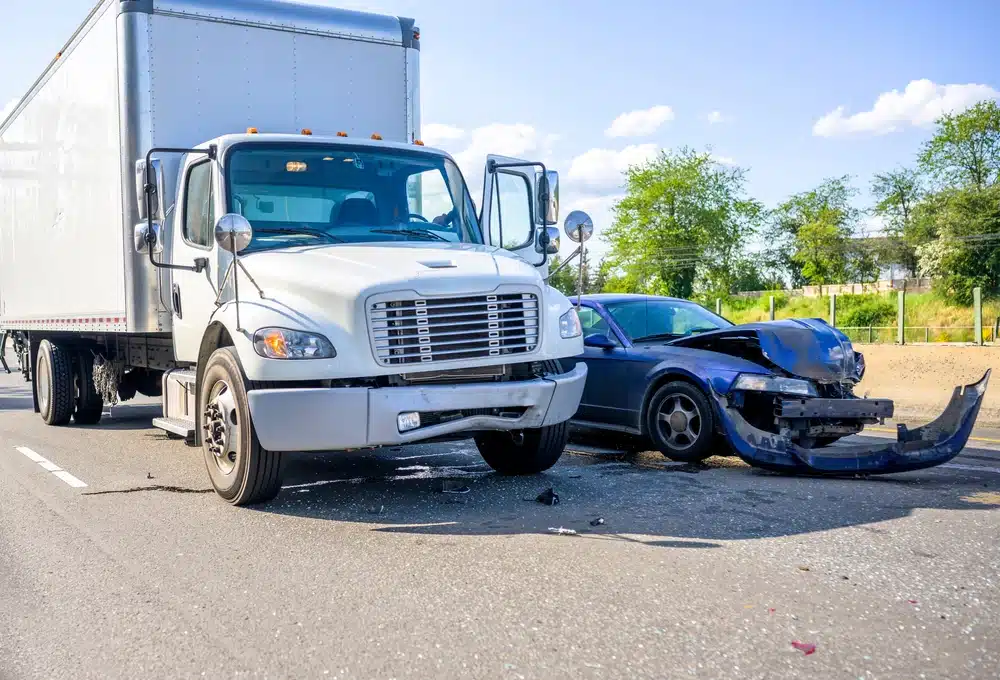
A crash with an 18-wheeler is nothing like a fender bender. A loaded semi can weigh 80,000 pounds. Your car weighs about 4,000. When the two collide, the injuries are often serious, and the trucking company starts protecting itself within hours. What you do next matters — for your health and for your claim.
Here are the ten steps to take after an 18-wheeler accident in Texas. Some happen at the scene. Others happen in the days that follow. All of them protect you.
1. Get to a safe spot and call 911.
2. Get medical care right away — even if you feel okay.
3. Take photos and videos of everything.
4. Get the driver’s, trucking company’s, and witnesses’ information.
5. Don’t admit fault or apologize.
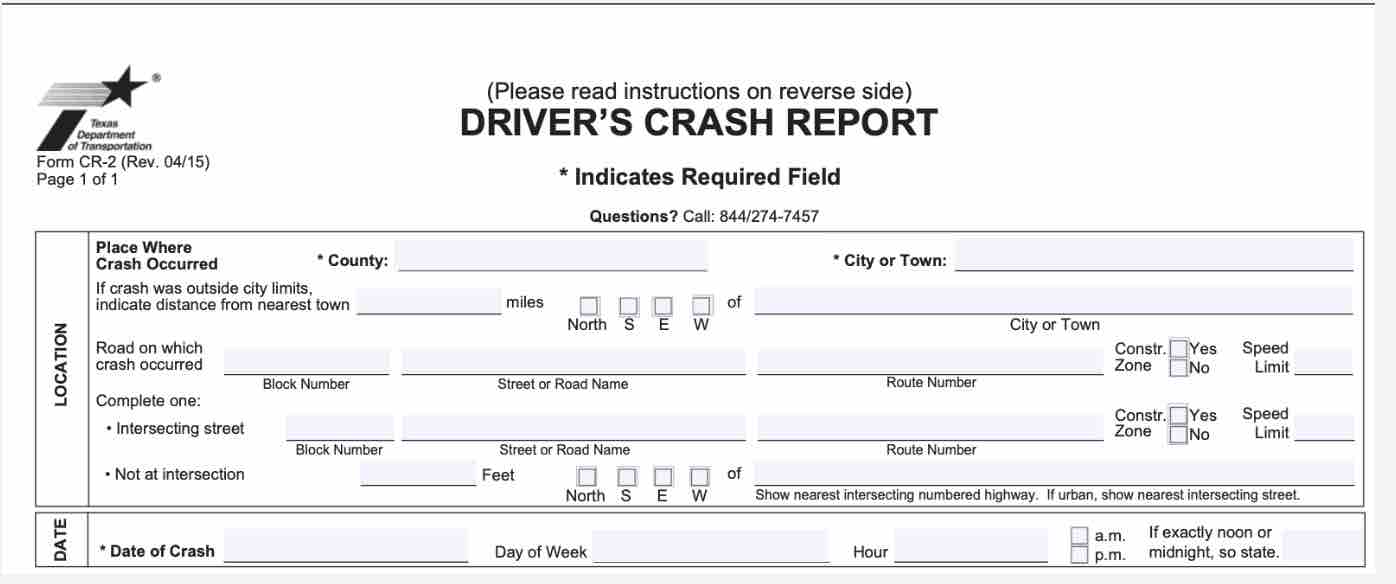
6. Get a copy of the police crash report.
7. Tell your insurance company — but skip recorded statements for the trucking company.
8. Act fast to preserve the truck’s evidence.
9. Know your deadline: two years in Texas.
10. Talk to a truck accident lawyer before you talk to their insurer.
First, get out of traffic if you can. Move to the shoulder, turn on your hazard lights, and stay clear of leaking fuel or cargo. Then call 911. In Texas, police must file a report for any crash with injuries or damage over $1,000 — and a wreck with a semi almost always clears that bar. Depending on where the crash occurred, local police or the Texas Highway Patrol will respond, secure the scene, and begin documenting the incident.
See a doctor the same day, even if you feel fine. Adrenaline hides pain. Some of the worst injuries — internal bleeding and traumatic brain injuries, for example — may not show symptoms for hours or days. Getting checked out protects your health first. It also creates a medical record that ties your injuries to the crash, which the insurance company cannot later dispute.
Keep every record, bill, and receipt. Follow your doctor’s orders, go to your follow-up visits, and don’t go back to work until you’re cleared.
If you’re physically able, use your phone to document the scene before anything gets moved. The trucking company will send its own investigators fast. Your photos may be the only record from your side.
With a truck crash, you need more than a name and an insurance card. Ask for the driver’s name and commercial driver’s license (CDL) number, the trucking company’s name and phone number, the truck’s USDOT and MC numbers, and the insurance policy details. Get names and phone numbers from witnesses, too. Independent witnesses can make or break a disputed case, and they’re hard to find later.
Why so much detail? Because more than one party may owe you money. The driver, the trucking company, the cargo loader, and even a maintenance shop can share the blame. Our guide on who is responsible for a truck accident explains how liability works in these cases.
Be polite, but watch your words. Don’t say “I’m sorry” or “I didn’t see you.” Texas uses a modified comparative fault rule. If you’re found 51% or more at fault, you recover nothing. If you’re partly at fault, your compensation shrinks by your share of the blame. A casual apology at the scene can be twisted into an admission later. Stick to the facts when you talk to police, and let the investigation decide fault.
The Texas Peace Officer’s Crash Report (CR-3) documents the date, location, parties, witness statements, and the officer’s view of what happened. Insurers lean on it heavily. Most reports are ready within 3 to 10 days, and you can buy a copy from TxDOT’s crash records site or from the investigating agency. We walk through the whole process in our guide on how to get a police report for a truck accident in Texas. Read it closely when you get it. If something is wrong, you can ask for a correction.
Report the crash to your own insurance company promptly. Most policies require it. But expect a call from the trucking company’s insurer soon after — sometimes the same day. Their adjuster may sound friendly and ask for a recorded statement “just to close the file.” Politely decline. Adjusters are trained to ask questions that shrink your claim. You are not required to give them a recorded statement, and you shouldn’t do it before talking to a lawyer.
This step separates truck cases from car cases. Commercial trucks carry electronic evidence that can prove exactly what happened — and it can disappear fast. The truck’s black box data records speed, braking, and throttle in the seconds before impact, but it can be overwritten within weeks. Electronic driver logs show whether the driver broke the federal hours-of-service rules that limit driving to 11 hours in a shift. Maintenance records, dashcam video, and dispatch messages matter too.
A lawyer can send the trucking company a preservation letter (also called a spoliation letter) right away. That letter legally requires the company to retain this evidence rather than putting the truck back in service or letting the data cycle out. The sooner it goes out, the more evidence survives.
Under Texas Civil Practice & Remedies Code § 16.003, you generally have two years from the date of the crash to file a personal injury lawsuit. The same two-year window applies to wrongful death claims. Miss the deadline, and you likely lose the right to recover anything — no matter how strong your case was. And waiting until month 23 is risky. Witnesses move, memories fade, and records are destroyed in accordance with legal retention schedules.
Trucking companies and their insurers put investigators and lawyers on a serious crash within hours. You should have someone in your corner just as fast. An experienced Houston truck accident lawyer can preserve evidence, handle the adjusters, identify all liable parties, and fight for full compensation — including your medical bills, lost wages, future care, and pain and suffering. Most truck accident lawyers, including our firm, offer a free consultation and charge nothing unless you win.
Truck cases involve federal safety regulations, commercial insurance policies worth $1 million or more, and multiple companies pointing fingers at each other. The evidence is technical, and much of it sits in the trucking company’s hands. That’s why the steps above focus so heavily on documentation and speed. In a car crash, you can often wait. In a truck crash, waiting costs you evidence.
Call 911 first so police and EMS respond. Then call your own insurance company to report the crash. Before you speak with the trucking company’s insurer, call a truck accident attorney — most offer free consultations and can handle the adjusters for you.
Yes. Crash injuries like concussions, whiplash, and internal bleeding can take hours or days to show symptoms. A same-day medical visit protects your health and creates a record that links your injuries to the wreck.
Two years from the date of the crash for most injury and wrongful death claims. But key evidence, like the truck’s black box data, can vanish within weeks — so the practical deadline for acting is much shorter.
Expect it — shifting blame is standard practice. Under Texas’s 51% rule, you can still recover as long as you’re not more than half at fault; your award is just reduced by your percentage. Strong evidence from the scene and the truck’s own data is the best defense against unfair blame.
Most work on contingency. You pay nothing up front, and there’s no fee unless your case wins. The consultation is free, so it costs nothing to learn where you stand.
The steps you take in the first days after an 18-wheeler crash shape everything that follows. If you or a loved one has been hurt, our Houston truck accident lawyer team has spent more than 40 years holding trucking companies accountable across Texas. The consultation is free, and you owe nothing unless we win.
Call (281) 893-0760 or toll-free 1-866-758-4529 — we answer 24/7.
Related Resources: