 Request FREE consultation - 1866-758-4529
Truck accident cases are won or lost in the first 48 hours — long before a lawsuit is filed, often before the victim is out of the hospital. The reason is simple: the evidence that proves how a crash happened is perishable, and the trucking company’s team is already moving to control it. By the time many victims consider hiring a lawyer, skid marks have been covered over, the truck has been repaired and put back in service, and the electronic data that would have told the real story has been overwritten. A quick response team exists to win that race. Houston truck accident attorney Greg Baumgartner maintains one of the few standing quick response teams among Texas truck accident firms, built over 40 years of trying these cases.
Major trucking companies and their insurers keep rapid-response teams on retainer for exactly one purpose: to get to the scene before you do. These teams typically include defense attorneys, accident investigators, and accident reconstruction experts, and they are often dispatched within hours of the crash — sometimes while the vehicles are still on the road.
Their job is not neutral fact-finding. It is to document what helps the defense and to leave undocumented what doesn’t. Investigating police officers are not influenced by their presence, but the trucking company’s team controls the truck, the driver, and the company’s own records — and that is where the decisive evidence lives. Understanding who is responsible in a truck wreck usually depends on evidence the defense would prefer you never see.
When we are retained early on a serious case, we move immediately to level the field:
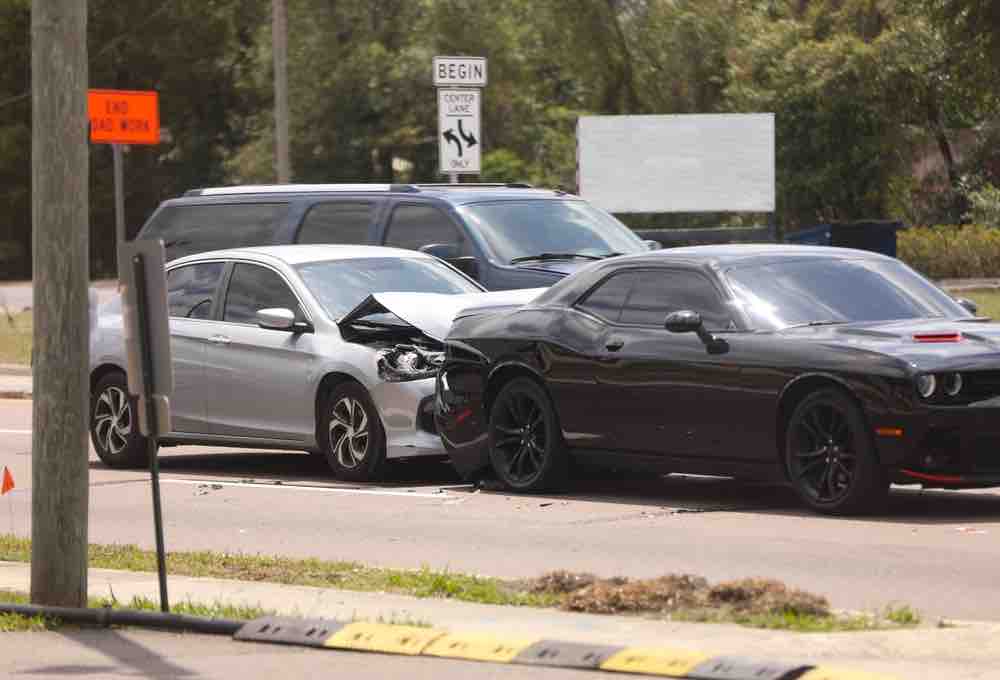
Physical scene evidence. Skid marks, yaw marks, gouges, and debris let a reconstructionist establish speed, braking, and point of impact. Within days — sometimes hours — weather and traffic erase it. When there is no credible independent eyewitness, this physical evidence is often the entire case.
The truck’s electronic data. Modern tractors record speed, braking, throttle, and other parameters. ELDs record hours of service. This data can be overwritten in the normal course of operations within days, unless preservation is requested. We have repeatedly seen defense attorneys expedite repairs to quickly place a tractor-trailer back in service, thereby foreclosing any independent inspection.
Driver and carrier records. Hours-of-service violations, negligent hiring or retention, gaps in the driver-qualification file, and post-crash testing all sit on regulatory clocks. Some records the carrier is only required to keep for six months. Miss the window and the proof is simply gone.
A spoliation letter is a formal demand that puts the trucking company and its insurer on notice of their legal duty to preserve specific evidence — the vehicle, the ECM/ELD data, driver logs, maintenance records, and dashcam footage. Once that letter is delivered, destruction of the evidence can carry serious consequences in litigation. Sending it early and sending it precisely is one of the highest-value things a truck accident lawyer can do in the first days of a case. It is also something an unrepresented victim almost never knows to do.
If you or a family member was seriously hurt in a truck crash:
In a wrongful death truck accident, the family is in shock and grieving — understandably, in no state to think about evidence preservation. The trucking company’s team is under no such handicap, and after a fatality, the stakes for the carrier are highest, so the response is fastest. Authorities usually perform a formal reconstruction after a fatal crash, but its admissibility is not guaranteed, and its conclusions are not always correct. An independent investigation protects the family’s interests when no one else will. These cases are also why our trial-ready case preparation starts on day one.
Our quick response team supports serious-injury and fatal commercial vehicle accident cases across Texas, including tanker truck crashes, jackknife wrecks, underride collisions, dump truck accidents, and FedEx and large-fleet cases — with frequent dispatch to wrecks on I-45 and Interstate 10. We respond throughout the state, including Dallas, San Antonio, and Austin, and handle statewide Texas personal injury and car accident claims involving commercial vehicles.
As soon as possible — ideally within days. The trucking company’s investigators are often working the scene within hours. Evidence preservation, spoliation letters, and independent inspection all depend on acting before the evidence is gone.
Scene evidence (skid marks, gouges, debris, vehicle positions), the truck’s electronic data (ECM and ELD), the driver’s logs and qualification file, drug- and alcohol-testing records, maintenance and repair history, and witness statements.
A formal legal notice demanding that the trucking company and insurer preserve specific evidence. Once delivered, destroying that evidence can carry significant penalties in the lawsuit.
Yes. Skid marks fade within days. Electronic data can be overwritten in the normal course of operations. Trucks are often repaired and returned to service within a week. Some carrier records need only be retained for 6 months.
It makes the case harder, but not hopeless — which is exactly why the rest of the evidence (electronic data, records, witness testimony) has to be locked down fast. The sooner we are involved, the more we can still preserve.
If the injuries are serious or someone has died, yes. For minor-injury cases, it is usually unnecessary. A free consultation will tell you where your case falls.
Every hour counts after a serious truck crash. Call (281) 893-0760 or toll-free 1-866-758-4529 now — our lines are answered 24/7, consultations are always free, and for serious-injury and fatal cases we travel to you anywhere in Texas, including home and hospital visits. You can also contact us online or read why injured Texans hire our firm.