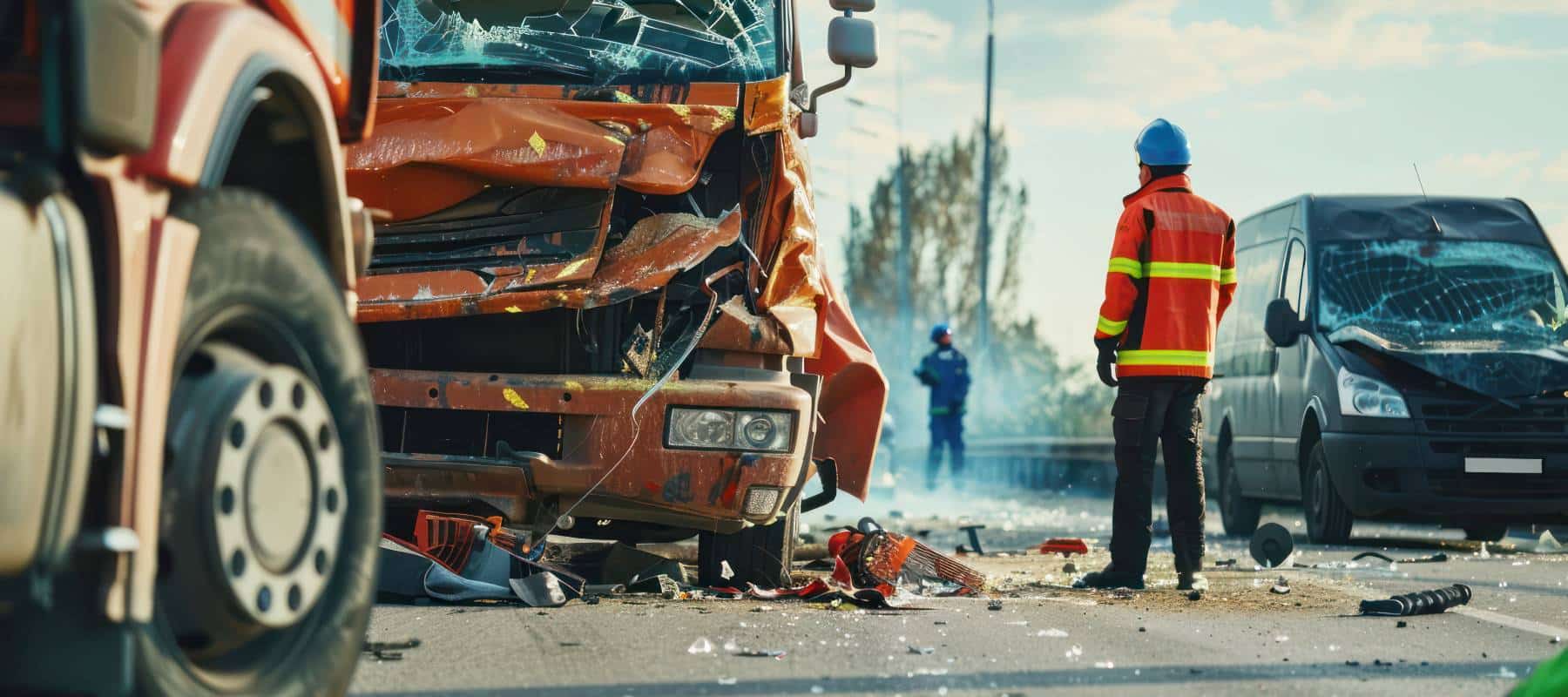
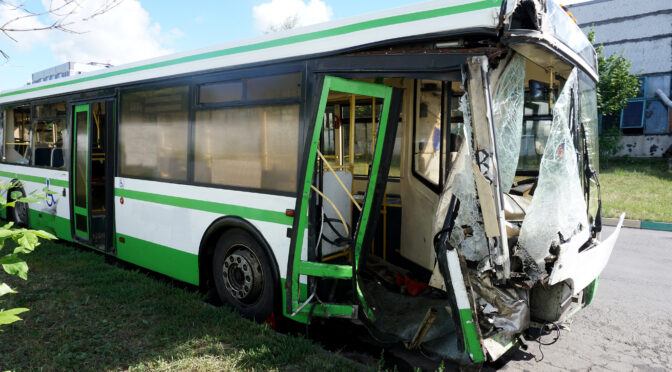
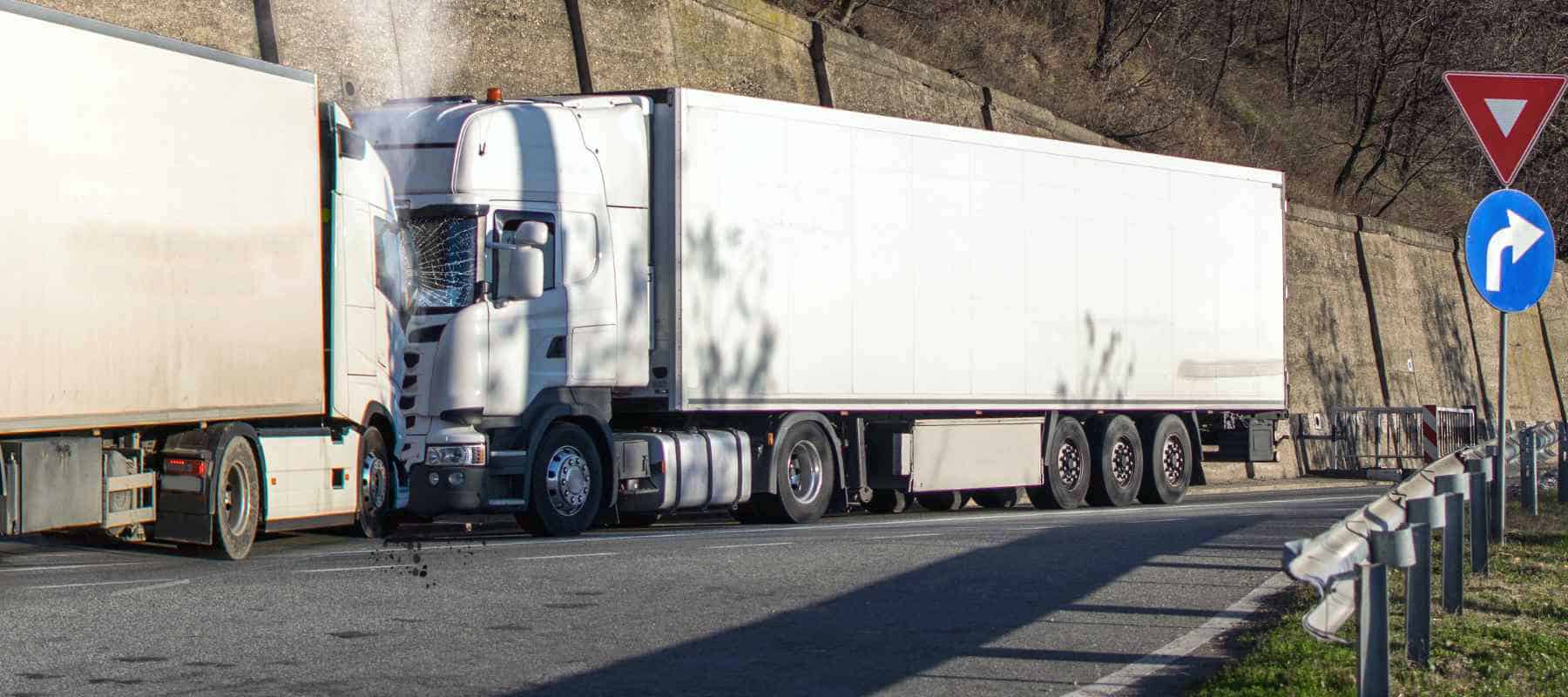
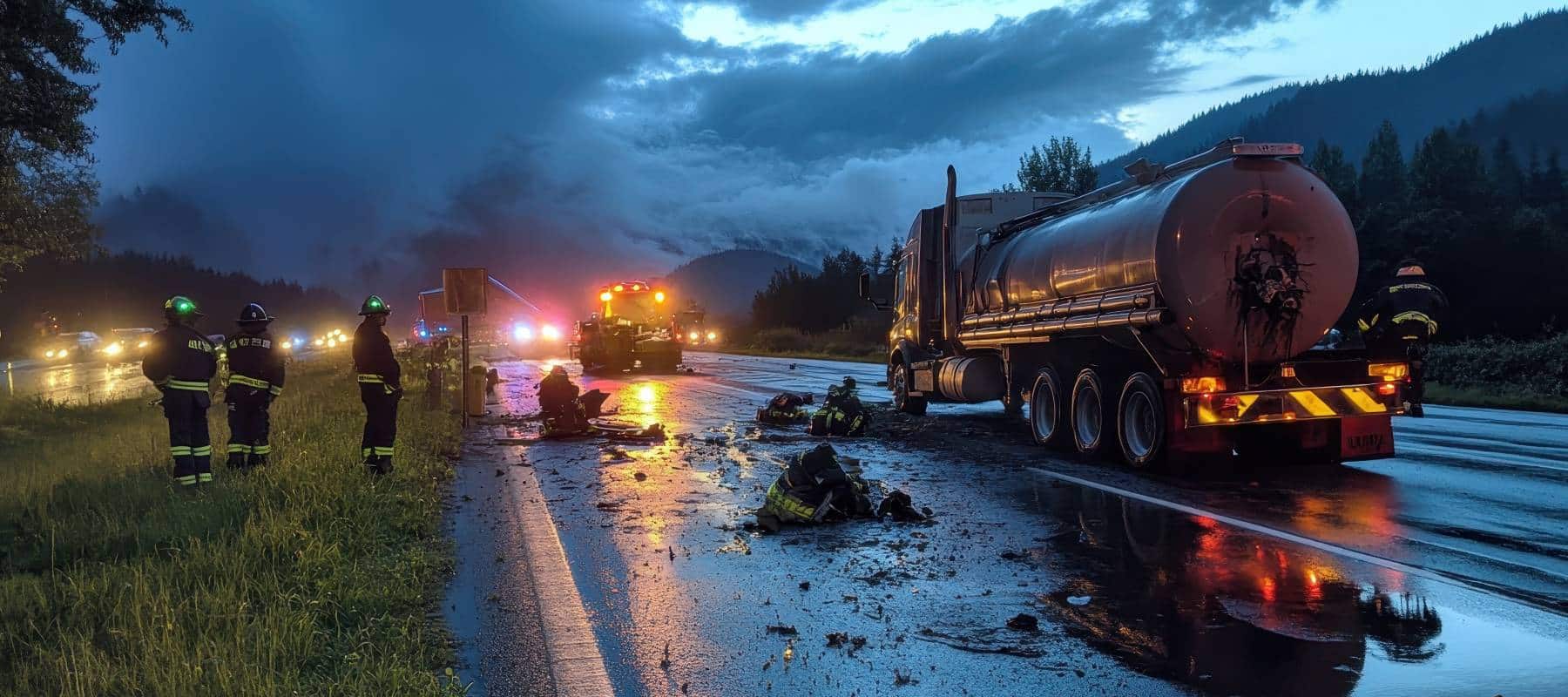
A crash with a company truck, delivery van, service vehicle, bus, or tow truck is rarely just a claim against the driver. The employer may share responsibility. So may the vehicle owner, contractor, maintenance company, or another business.
I am Greg Baumgartner. For more than 40 years, I have handled serious truck and company vehicle cases across Texas. I do not start with the insurer’s version of the crash. I start with control. Who sent the driver onto the road? Who set the route and schedule? Who owned and maintained the vehicle? What company records existed before the collision?
Those questions often lead to proof that never appears in the police report. A dispatch message or GPS record may explain the trip. A maintenance entry, dash-camera clip, or delivery schedule may show why the crash happened and who should answer for it.
If you suffered a serious injury or lost a family member in a commercial vehicle crash anywhere in Texas, call (281) 893-0760 for a free consultation with an experienced truck accident attorney. You pay no attorney fee unless we recover money for you.
- 40+ years handling serious commercial vehicle cases.
- Undefeated record in trucking cases.
- Selective caseload with direct attorney involvement.
- No attorney fee unless we recover money.
Legally reviewed by Greg Baumgartner, Texas attorney licensed since 1984
Table of Contents
Related Resources
What Makes a Commercial Vehicle Accident Case Different?
A crash involving a company vehicle can look like an ordinary traffic accident. The legal case may be very different. The driver may have worked for an employer, contractor, delivery platform, utility, builder, or motor carrier. That business may control key records. It may also carry insurance that is not shown on the card exchanged at the scene.
The driver is often only the first layer of the case. We study the business relationship behind the trip. We ask why the driver was on the road and what safety choices were made before the vehicle moved.
Greg’s insight: Four decades of handling these cases taught me a key lesson. A company logo, contractor label, or police report rarely tells the whole story. The records often show control. Who assigned the work? Who could change the route? Who set the deadline? Who had the power to take an unsafe driver or vehicle off the road?
Proven Results in Commercial Vehicle Cases
Serious commercial vehicle cases require proof that can withstand an aggressive defense. Our results include:
- $5.75 million recovery in a fatal truck accident case.
- $5 million recovery for a spinal injury caused by a commercial vehicle.
- $3.74 million recovery for a head injury in a truck wreck.
- $3 million recovery after an 18-wheeler crash caused a serious neck injury.
Past results do not guarantee a similar outcome. Every case depends on its facts, evidence, applicable law, insurance coverage, and damages.
What Counts as a Commercial Vehicle in Texas?
For this page, a company vehicle means a vehicle used for business purposes at the time of the crash. It does not have to be an 18-wheeler or display a company name. A business-use vehicle can include:
- Tractor-trailers and other large trucks.
- Box trucks and delivery vans.
- Company cars, pickups, and service vehicles.
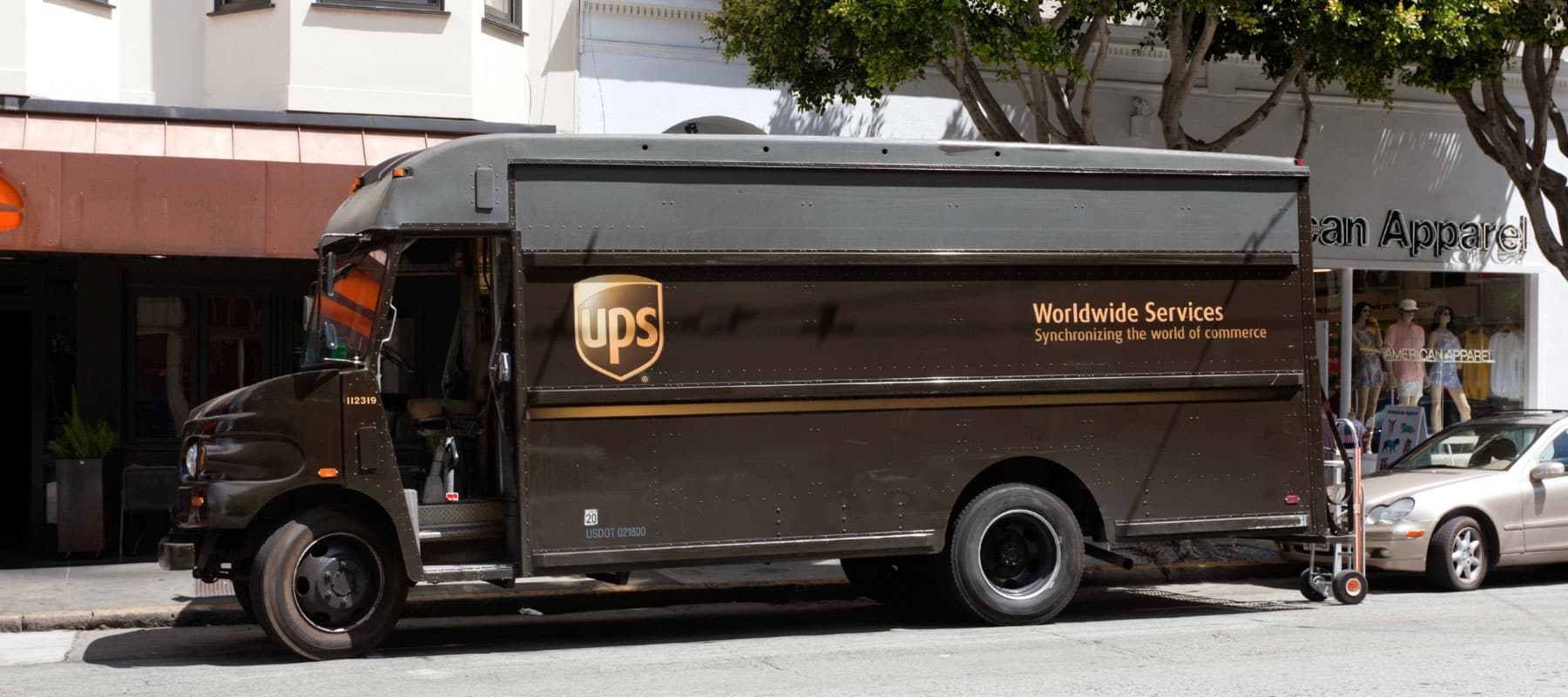
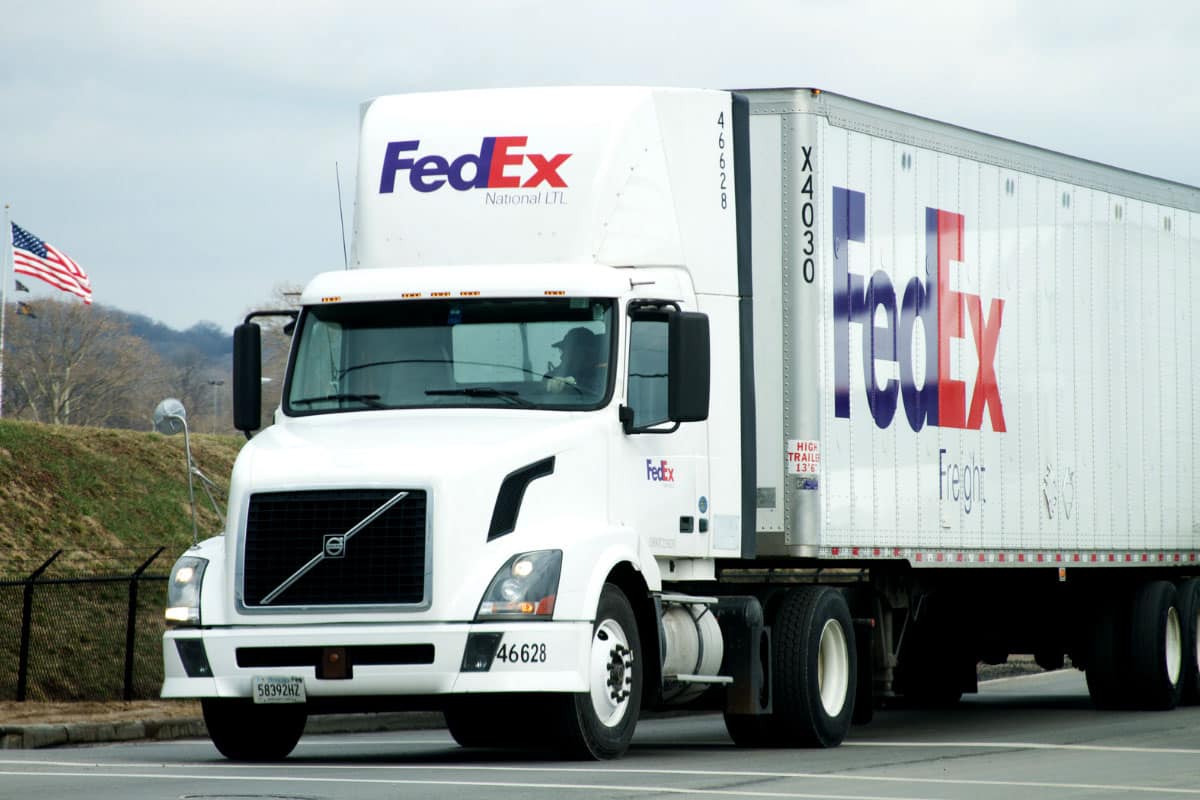
- Amazon, FedEx, and UPS delivery vehicles.
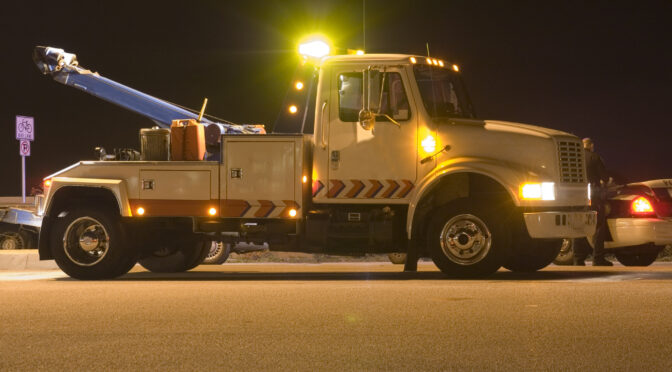
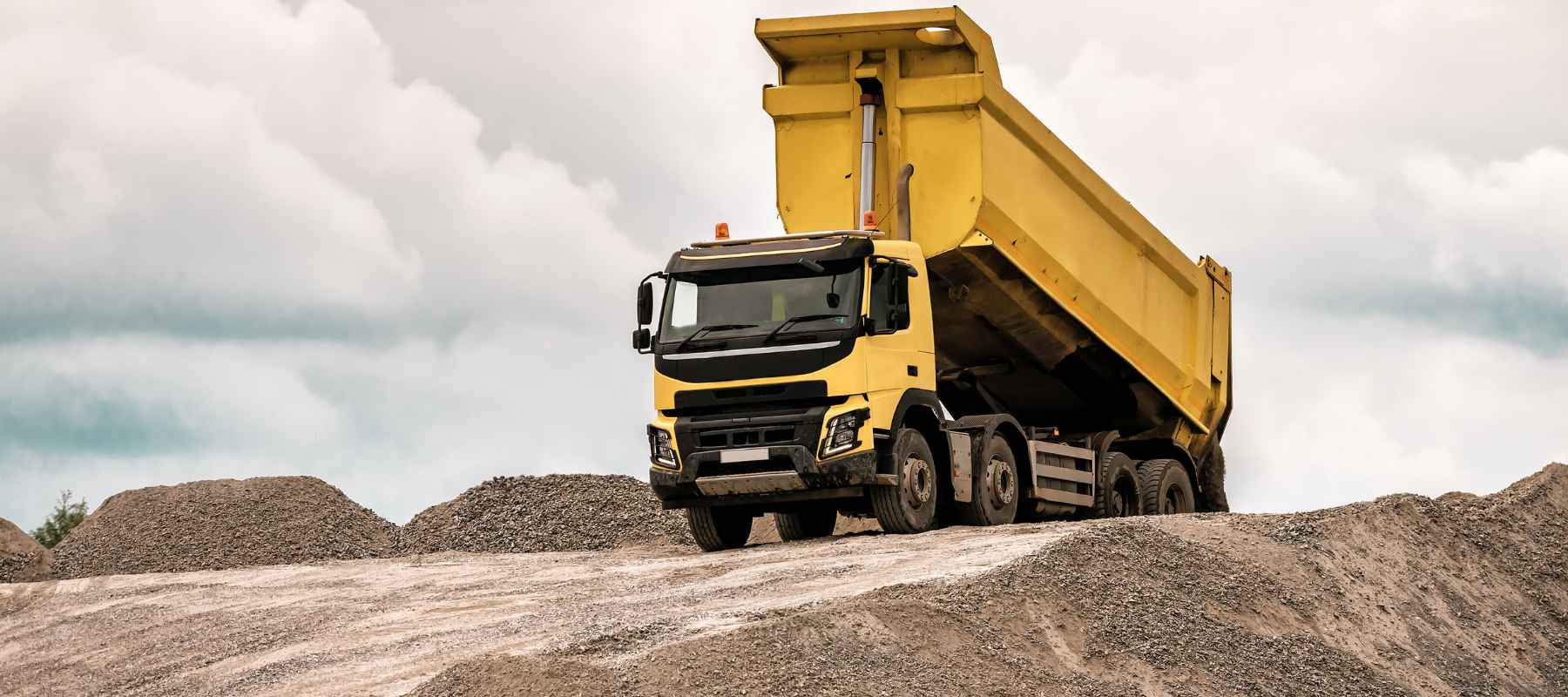
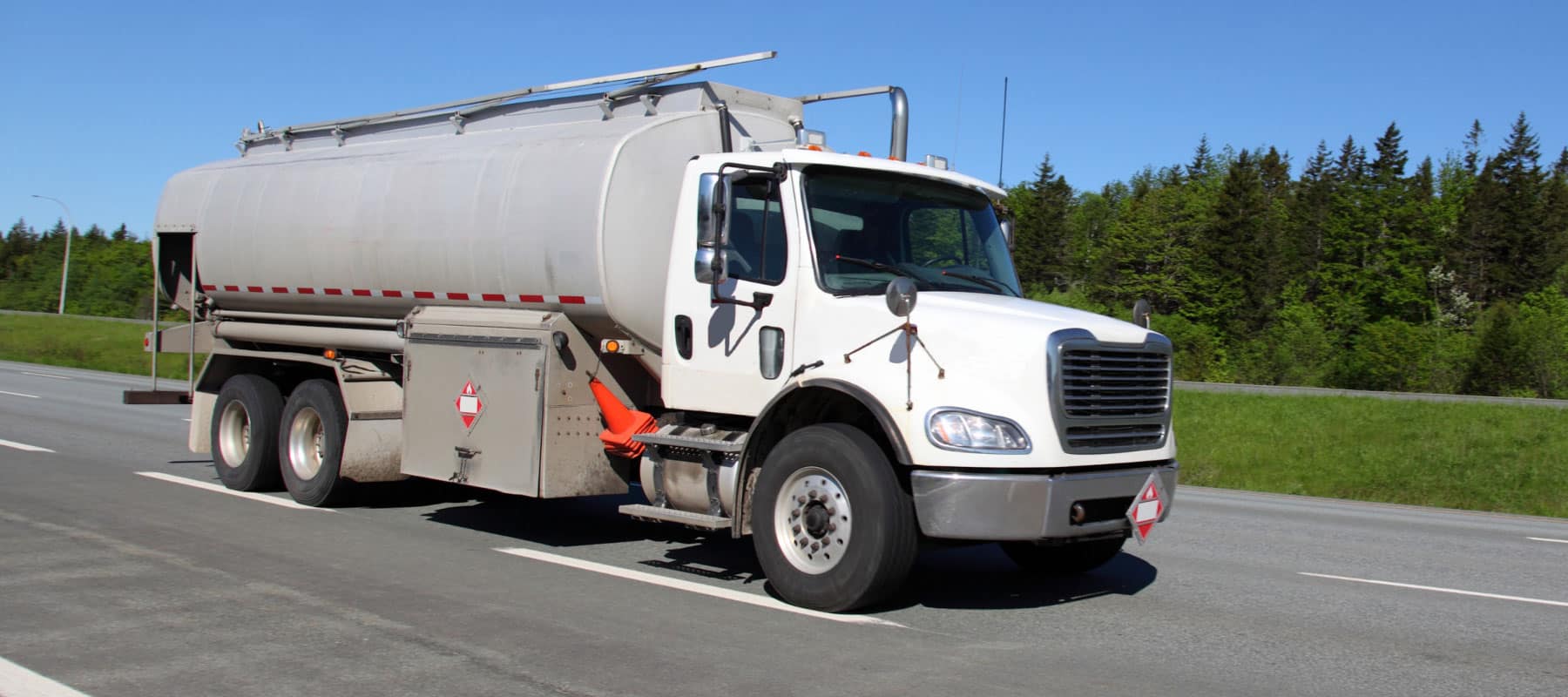
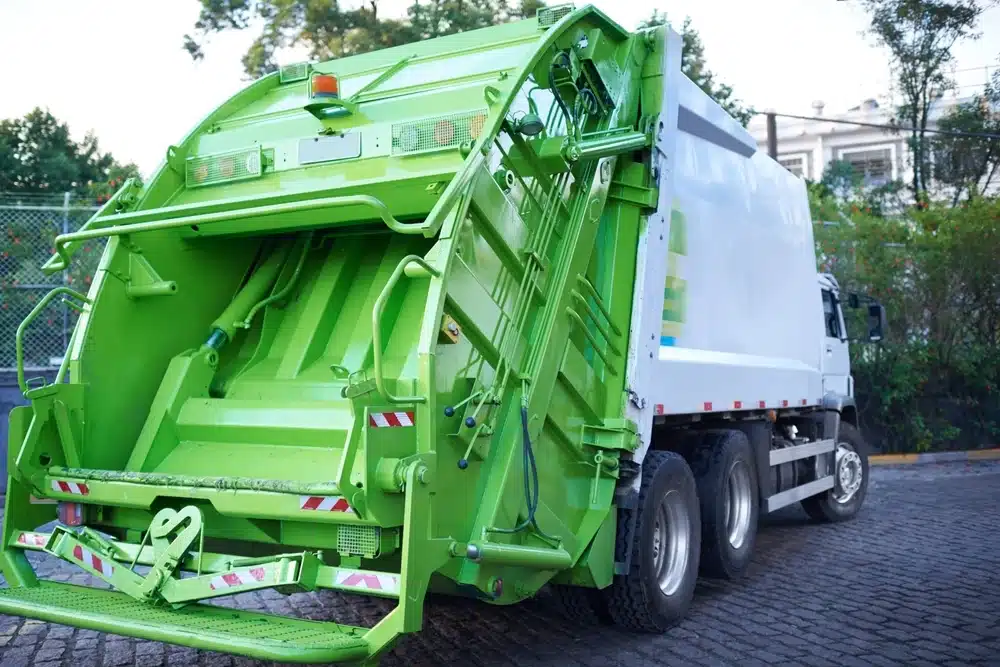
- Tow trucks, wreckers, dump trucks, tankers, and garbage trucks.
- Construction, utility, oilfield, and contractor vehicles.
- Buses and other passenger vehicles used for business.
- An employee-owned vehicle being used for a work assignment.
That practical meaning is broader than the federal legal definition. The FMCSA definition of a commercial motor vehicle can depend on weight, passenger capacity, hazardous materials, and interstate use. A plumber’s van or company pickup may not face every federal trucking rule. Even so, the employer, its records, and its insurance may change the case. If someone you love has been injured in an accident, getting legal representation after a Texas truck crash should be a priority.
The first step is to identify the vehicle, its weight and use, the driver’s assignment, and whether the operation was interstate or intrastate. Our guide to interstate and intrastate motor carriers explains why that distinction can affect safety rules and insurance.
Who May Be Responsible for a Commercial Vehicle Crash?
Responsibility depends on what happened and how the work was organized. One defendant may be at fault, or several parties may share responsibility. Potential defendants include:
- The driver, for unsafe driving such as speeding, distraction, following too closely, or failing to yield.
- The employer, when the driver was acting within the course and scope of employment.
- The company itself, for unsafe hiring, training, supervision, scheduling, or retention.
- The vehicle owner or leasing company, when its control or conduct creates a separate basis for responsibility.
- A contractor or subcontractor that controlled the driver, route, delivery, or work assignment.
- A maintenance provider that failed to inspect or repair brakes, tires, steering, or another safety system.
- A cargo-loading company when an overloaded or shifting load contributed to the crash.
- A manufacturer or seller when a defective vehicle or component played a role.
Read more about who may be responsible for a truck accident.
When Can the Employer Be Held Responsible?
An employer may be responsible when its employee caused a crash while doing the job. The key question is not simply who owned the vehicle. We want to know what the driver was doing at that moment.
Proof of a work assignment may include delivery records, dispatch messages, time sheets, GPS history, and customer appointments. Tools or cargo in the vehicle may also be a factor. So may testimony from supervisors or coworkers. A company may say the driver was commuting, running a personal errand, or acting outside the scope of their job. The records should decide that issue, not the company’s first explanation.
A contractor label does not always end the inquiry. We examine who controlled the work, the schedule, the equipment, the route, and the safety rules. The company may also be at fault for its own conduct. That may include negligent hiring or retention, poor supervision, inadequate training, unsafe quotas, or failure to maintain the vehicle.
Evidence That Can Decide a Commercial Vehicle Case
The best proof depends on the vehicle and the business. We do not use the same checklist for a local service van and an interstate tractor-trailer. Depending on the case, we may seek:
- Dash-camera, traffic-camera, and nearby surveillance video.
- GPS, telematics, route, and delivery history.
- Dispatch texts, app messages, and work-related phone records.
- Time sheets, schedules, and customer-service records.
- Driver qualification, hiring, training, and disciplinary files.
- Inspection, repair, and preventive-maintenance records.
- Electronic control module and event data, when available.
- ELD and hours-of-service records for regulated drivers.
- Company safety policies, audit records, and prior complaints.
- Cargo documents, weight tickets, and loading instructions.
For regulated carriers, federal hours-of-service rules and electronic logging device requirements may apply. Vehicle condition can also be central to the case. Our discussion of truck maintenance claims explains why repair records and ignored safety complaints matter.
Some electronic information is kept only for a short time or overwritten during normal business operations. That is why a preservation request may matter long before the legal filing deadline.
Commercial Vehicle Accident Cases We Handle
We focus on serious-injury and fatal commercial-vehicle cases across Texas. These cases may involve:
Common Causes and Types of Commercial Vehicle Crashes
The driving mistake may look ordinary. The business reason behind it may not be. A driver may rush to meet a delivery window. The driver may read a dispatch message, work a long shift, or use a vehicle with a known safety problem.
Common causes include:
- Speeding or driving too fast for the traffic and weather conditions.
- Work-related phone or app distraction.
- Following too closely.
- Unsafe lane changes, turns, or backing.
- Driver fatigue.
- Poor hiring, training, or supervision.
- Unsafe schedules, quotas, or delivery pressure.
- Brake, tire, steering, or other maintenance failures.
- Overloaded, shifting, or improperly secured cargo.
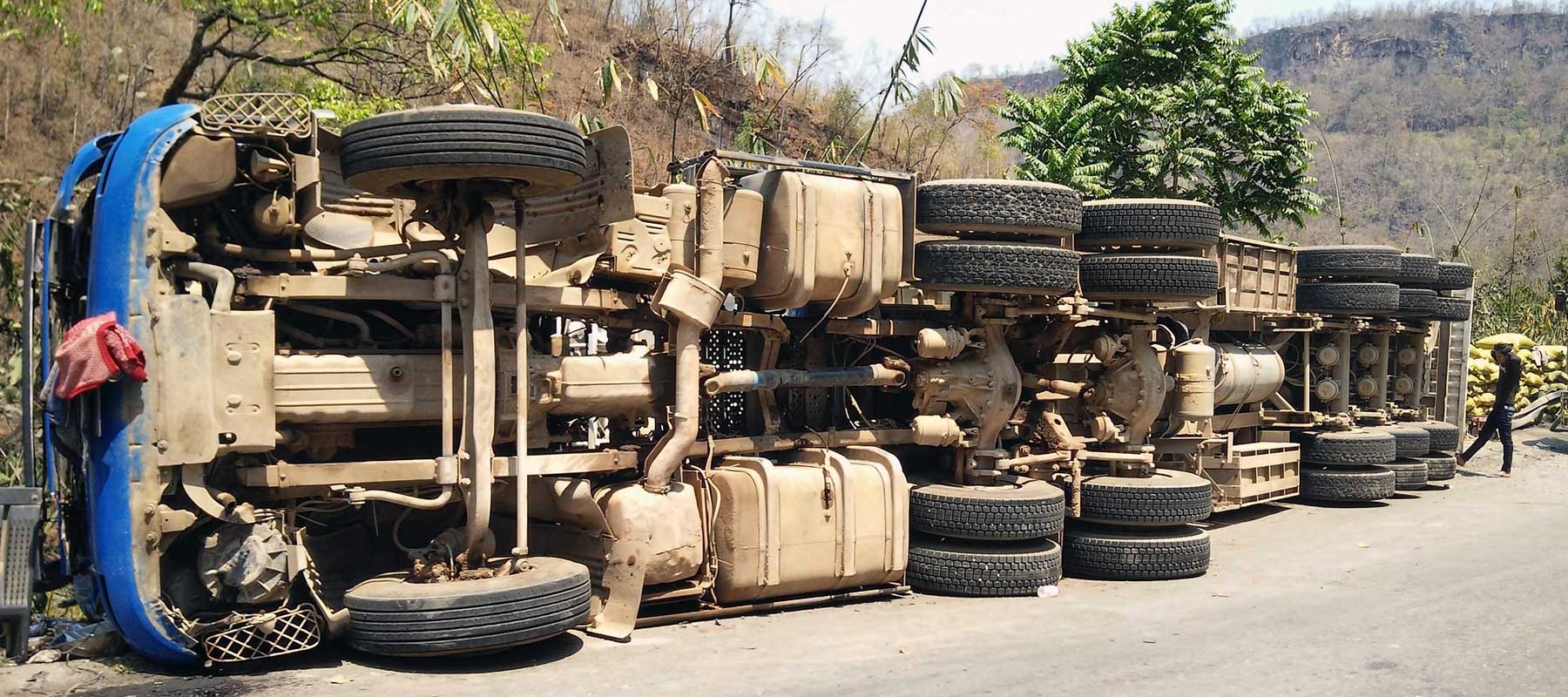
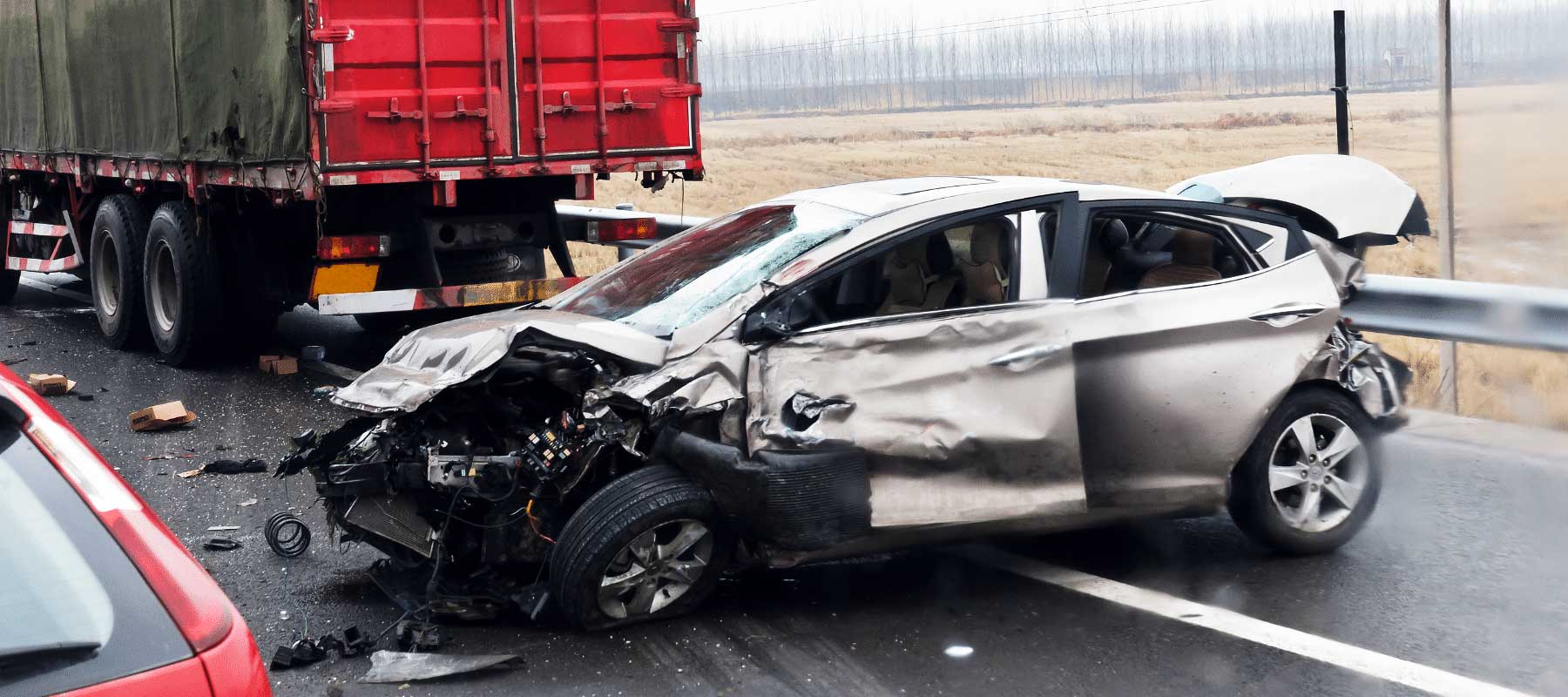
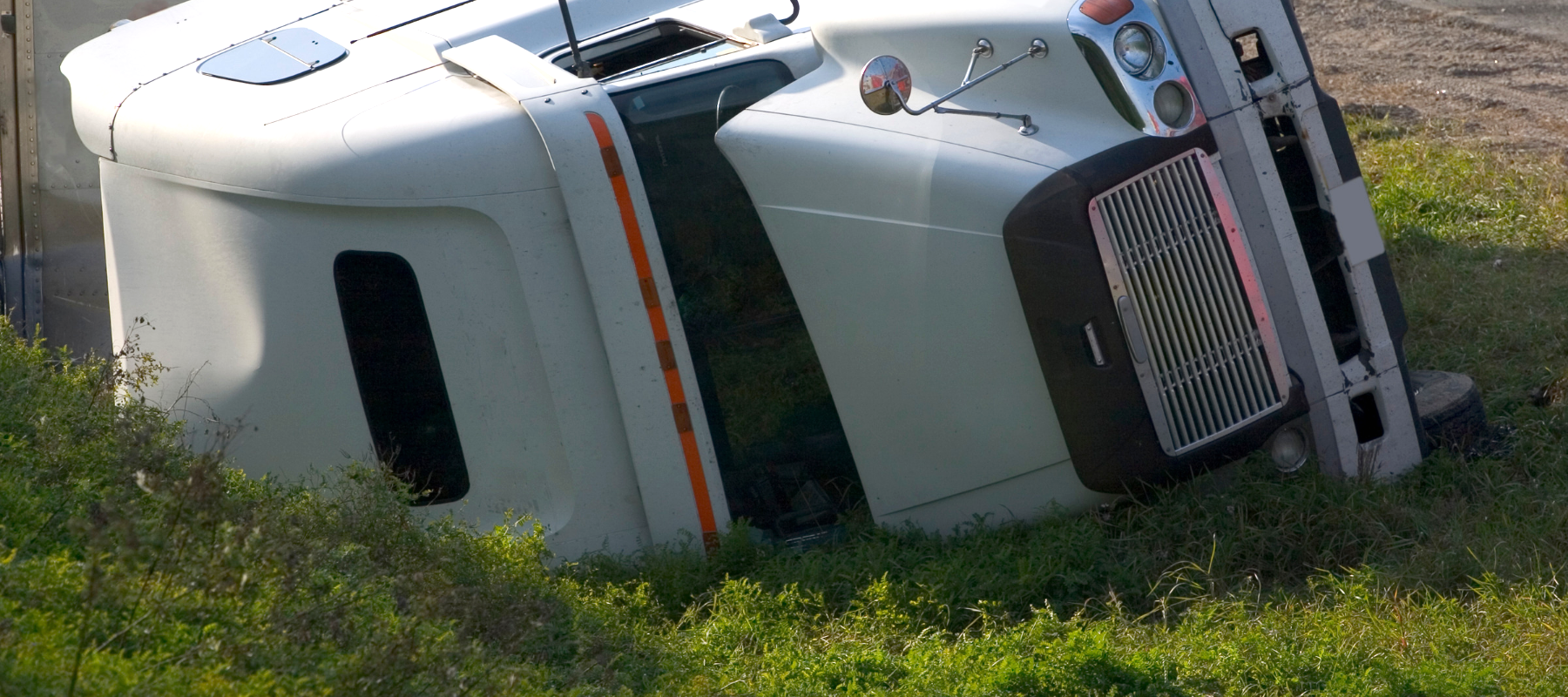
These cases often involve rear-end, intersection, wide-turn, blind-spot, or backing crashes. Other cases involve head-on impacts, rollovers, jackknifes, falling cargo, or broken equipment.
What Should You Do After a Commercial Vehicle Accident?
- Call 911. Report the crash and ask for medical help when needed.
- Get medical care. Some serious injuries are not fully apparent at the scene.
- Identify the business. Photograph company logos, DOT numbers, unit numbers, license plates, trailers, and contractor markings.
- Preserve your evidence. Save photographs, video, dash-camera files, witness information, damaged property, medical records, and expense receipts.
- Be careful with recorded statements. Find out who is requesting the statement and which company or insurer that person represents.
- Act quickly on company evidence. Video, GPS, route, dispatch, and telematics data may be overwritten.
Texas law requires a written officer’s report for many serious crashes. The rule applies when a qualifying crash causes injury, death, or at least $1,000 in apparent property damage. See Texas Transportation Code Section 550.062. Our practical guide explains more about what to do after you are hit by a company vehicle in Texas.
Commercial Insurance Can Change the Case
A business-use vehicle may have a commercial auto policy. Excess, umbrella, or contractor coverage may also apply. Several policies may apply in a set order. The insurance card at the scene may not show all available coverage.
Coverage disputes often focus on permission and work status. They may also turn on whether an employee, contractor, owner, or another company controlled the trip. We review the policies and business ties. We do not assume that the first named insurer is the only source of recovery.
Compensation After a Serious Commercial Vehicle Accident
A claim should measure the full effect of the injury. It should not stop with the bills that have already arrived. Depending on the facts, compensation may include:
- Past and future medical expenses.
- Lost wages and reduced earning capacity.
- Physical pain and mental anguish.
- Physical impairment and disfigurement.
- Property damage and other out-of-pocket losses.
- Wrongful death damages when a family member is killed.
Serious injuries may require surgery, rehab, or future medical care. Some cases also need a life-care plan or proof of lost work ability. Learn more about serious truck accident injuries in Texas.
Texas Shared-Fault Rules
Texas uses proportionate responsibility. Under Texas Civil Practice and Remedies Code Section 33.001, a claimant cannot recover damages if the claimant is more than 50% responsible. If the injured person is 50% or less responsible, the recovery can still be reduced by that percentage.
The insurer may claim that the injured driver was speeding or changed lanes. It may say the driver failed to keep a proper lookout or could have avoided the crash. Those claims should be tested against the evidence from the scene, witnesses, video, and vehicle data.
How Long Do You Have to File a Lawsuit?
Texas generally gives an injured person two years to file a personal injury lawsuit. See Texas Civil Practice and Remedies Code Section 16.003. Exceptions can change the deadline. Claims involving government vehicles may also have much shorter notice requirements.
The legal deadline is not the evidence deadline. A case can become harder to prove within days or weeks. Video may be overwritten. Records may be deleted. A vehicle may be repaired, and witnesses may become hard to find.
Why Four Decades of Commercial Vehicle Experience Matter
I won my first trucking case in 1985. Defense methods have changed since then. The basic goal has not. The defense often tries to limit the case to the driver’s mistake and keep the company’s conduct out of view.
Our job is to look beyond the crash report. We identify who controlled the work and preserve the records. We determine which safety rules applied. Then we show how the crash changed our client’s health, work, family, and future.
Baumgartner Law Firm is not a high-volume settlement office. We accept a limited number of serious-injury and fatal commercial-vehicle cases so Greg can remain personally involved. That approach is not right for every claim. It is designed for people and families who need careful investigation, direct communication, and a lawyer prepared to litigate the case.
Frequently Asked Questions
Is every company vehicle a commercial motor vehicle under federal law?
No. A vehicle can be used for business without meeting the federal definition of a commercial motor vehicle. Employer responsibility and commercial insurance may still apply even when particular FMCSA rules do not.
Can I pursue the employer if a company driver caused the crash?
Possibly. The employer may be responsible if the driver was acting within the course and scope of work. The company may also be directly responsible for unsafe hiring, training, supervision, scheduling, retention, or maintenance.
What if the company calls the driver an independent contractor?
The label is important, but it may not decide the issue. We examine who controlled the work, schedule, route, equipment, safety rules, and way the job was performed.
What evidence should be preserved after a commercial vehicle crash?
Important proof may include video, GPS data, dispatch messages, delivery records, and work schedules. Driver files, maintenance records, vehicle data, phone information, and company safety rules may also matter.
Should I give the company’s insurer a recorded statement?
Be careful. Before giving a recorded statement, find out who wants it. Ask which company or insurer that person represents. Learn how the statement may be used.
How much does it cost to hire Baumgartner Law Firm?
The consultation is free. We handle accepted cases on a contingency fee, which means there is no attorney fee unless we recover money for you.
How much is a commercial vehicle accident case worth?
The value depends on responsibility, injury severity, future medical needs, lost earning capacity, available insurance, and the quality of the evidence. A reliable evaluation requires the facts and medical information, not an online settlement calculator.
Talk With Greg Baumgartner About a Serious Commercial Vehicle Case
If a delivery van, company truck, service vehicle, bus, tow truck, or another business-use vehicle caused a serious injury or death, call Greg Baumgartner at (281) 893-0760. The consultation is free and confidential. There is no attorney fee unless we recover money for you.