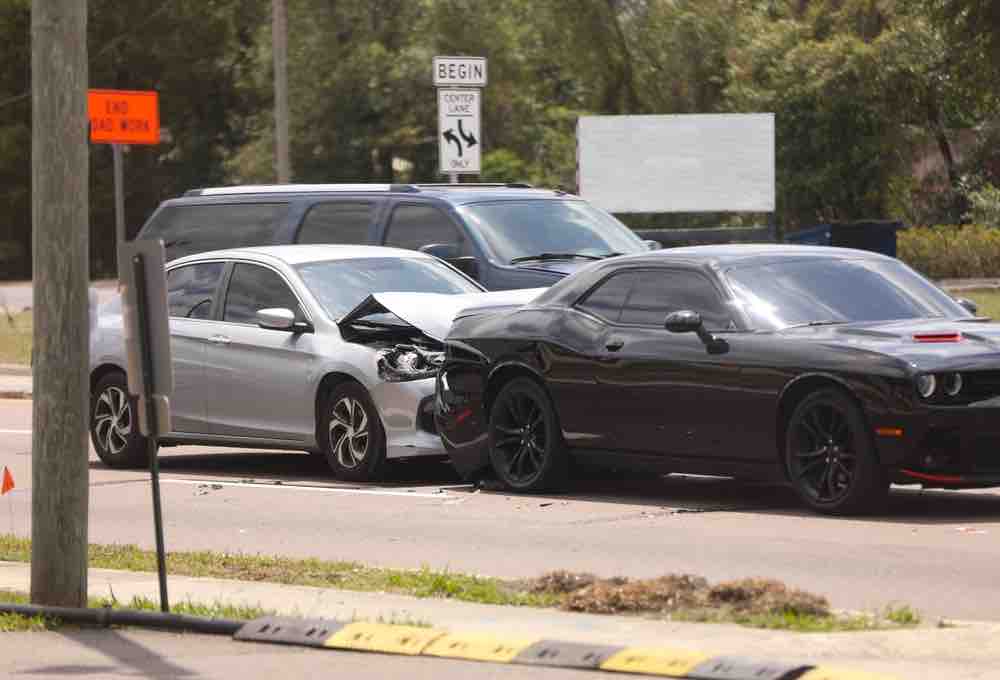
When a tanker truck collided with a pickup, the semi-truck carrying hazardous material rolled over and spilled hazardous chemicals on the highway.
This is another in a series of ongoing tanker truck accidents in Houston, where hazardous materials crews have had to spend precious time and resources cleaning up the mess. An estimate of thousands of gallons of chemicals spilled on the freeway seems reasonable.
While the truck accident occurred about 9:30 PM, cleanup efforts closed the freeway and shut down traffic on 290 northbound. Traffic was directed to the feeder road, but it was still substantially delayed for anyone using a portion of the freeway.
Hazardous materials can vary, and cleanup efforts can take hours or even days. Crews are very aware of the impact of chemical spills on unsuspecting motorists who encounter them. What we frequently see spilled on highways and what is often transported in tanker trucks is gasoline or diesel fuel.
While there is no indication of which specific chemical or hazardous material was spilled in this truck accident, many spills, such as diesel fuel, can make the highway slick and lead to subsequent accidents when other motorists encounter the condition unless they are cleaned up.
Introduction to Tanker Truck Accidents
Tanker truck accidents are a significant threat on major highways, especially on busy corridors like US 290 in Houston. These incidents often involve multiple lanes and can quickly escalate into large-scale emergencies, disrupting traffic and endangering drivers. A recent two-vehicle crash on a Thursday near Mason Road is a stark reminder of the dangers present on the westbound main lanes of the highway. In that accident, a vehicle became wedged underneath a truck, resulting in a tragic scene where a person died, and others were injured.
When a tanker truck is involved in a crash, the consequences extend far beyond the initial impact. Police and emergency responders must act swiftly to secure the scene, close affected lanes, and manage traffic flow to prevent further accidents. The presence of hazardous materials in these trucks adds another layer of risk, as spills can lead to fires, explosions, or environmental contamination that requires specialized cleanup. Authorities are often forced to close multiple lanes for hours, causing significant delays and frustration for drivers caught in the backup.
The frequency of such accidents on highways like US 290 is a growing concern for both authorities and the public. Each incident not only puts drivers at risk but also highlights the challenges of balancing the efficient movement of goods with the safety of everyone on the road. For those involved in these crashes—whether injured or mourning the loss of a loved one—the aftermath can be overwhelming. Navigating the legal and insurance processes requires support and expertise, especially when seeking compensation or justice.
Seasonal factors can further increase the danger. For example, icy roadway conditions, which are more common on Fridays in February, can make it even more difficult for drivers to maintain control and avoid accidents involving large trucks. In these situations, the risk of a serious crash increases, and the likelihood of lane closures for extended periods rises.
Ultimately, awareness and caution are essential for all drivers sharing the highway with tanker trucks. By understanding the risks—whether it’s the potential for a two-vehicle crash, hazardous material spills, or the impact of weather conditions—drivers can take steps to protect themselves and others. Staying alert, following traffic laws, and being prepared for sudden lane closures or diversions can help reduce the incidence of these devastating accidents and contribute to a safer environment for everyone on the road.
Clean Up Costs are High
We have not seen studies that quantify cleanup costs for the greater Houston area resulting from chemical spills caused by tanker truck accidents. However, during monitoring, we note that at least one, and possibly several, big rigs have crashed in the Houston area, where cleanup is required each month. Often, truck wrecks will happen within days of each other.
While cleanup costs are generally recovered from the motor carrier after such an accident, incidental expenses, such as commuter delays and inconvenience, are never recovered.
Additionally, many car accidents occur when highways are closed after a tanker truck accident. Traffic can literally be stacked up for miles.
Semi-trucks carrying hazardous materials must exercise extra caution when caring for their cargo and operating on our highways. The Federal Motor Carrier Safety Regulations contain special rules for hazardous material cargo.
Why is US 290 High-Risk for Tanker Accidents
US Highway 290, also known as the Northwest Freeway, has earned a troubling reputation as one of Houston’s most dangerous corridors for commercial vehicle accidents, particularly those involving tanker trucks carrying hazardous materials. Understanding the unique risk factors that make this highway so treacherous can help accident victims recognize when they may have grounds for a legal claim.
Heavy Commercial Traffic and Houston’s Petrochemical Industry
US 290 serves as a critical artery connecting Houston to Austin and points west. Still, its proximity to the Houston Ship Channel and the nation’s largest petrochemical complex makes it especially hazardous for tanker truck operations. Harris County experiences more than 6,000 commercial-vehicle crashes annually, with highways such as US 290 seeing particularly high volumes of truck traffic linked to Gulf Coast ports and regional freight routes.
The highway carries an exceptionally high volume of tanker trucks transporting:
Crude oil and refined petroleum products
Industrial chemicals from Houston-area refineries
Hazardous materials destined for manufacturing facilities
Liquid petroleum gas (LPG) and other volatile substances
Diesel fuel and gasoline are distributed to distribution centers throughout Central Texas.
Houston’s robust hazmat transport industry operates around the clock, with specialized carriers providing bulk liquid service throughout the region, meaning US 290 sees dangerous cargo at all hours of the day and night.
Dangerous Road Conditions and Infrastructure Challenges
Several physical characteristics of US 290 contribute to the elevated risk of tanker truck accidents:
Limited Shoulder Space: Many sections of US 290 feature narrow shoulders, leaving little room for error when a tanker truck experiences mechanical problems or needs to make emergency maneuvers. These narrow shoulders leave little space for drivers to pull over, contributing to sideswipe accidents and dangerous last-second maneuvers.
Ongoing Construction: Like many Houston highways, US 290 frequently undergoes expansion and improvement projects. Construction zones feature lane shifts, narrowed lanes, and sudden merges, which are particularly challenging for large tanker trucks with limited maneuverability. Construction zones also reduce visibility and force traffic into confined spaces where tanker trucks have less room to react to sudden stops or obstacles.
High-Speed Differentials: US 290 features sections where speed limits reach 65 mph or higher, but traffic patterns often create dangerous stop-and-go conditions. Tanker trucks, which can weigh up to 80,000 pounds when fully loaded, require significantly longer stopping distances than passenger vehicles. When traffic suddenly slows during rush hour, tanker trucks face an increased risk of rear-end collisions or jackknife accidents.
Merge Points and Interchanges: The highway includes numerous entrance and exit ramps where commuter traffic merges with commercial vehicles. These merge zones are particularly dangerous for tanker trucks carrying liquids, as the shifting cargo can affect vehicle stability during lane changes and turns.
Rush Hour Congestion and Commuter Patterns
Heavy morning and evening rush-hour traffic creates stop-and-go conditions that substantially increase the risk of rear-end collisions and chain-reaction crashes. US 290 serves thousands of Northwest Houston commuters traveling to and from the Energy Corridor, Memorial area, and downtown Houston.
This congestion becomes especially problematic for tanker trucks because:
Frequent braking can lead to brake fade or failure on heavily loaded tankers.
“Sloshing” of liquid cargo creates additional momentum, making stopping more difficult.
Tired truck drivers at the end of long shifts face heavy traffic during peak hours.
Impatient commuters may make aggressive maneuvers around slower-moving tanker trucks.
Weather-Related Hazards
Houston’s weather conditions, including heavy rain, reduce roadway traction and visibility, further increasing the already high crash rate. US 290’s elevated sections and drainage patterns create several weather-related dangers for tanker trucks:
Sudden Thunderstorms: Houston experiences frequent afternoon thunderstorms that can reduce visibility to near zero within seconds. Tanker truck drivers may not be able to slow down quickly enough when storms strike, leading to multi-vehicle pileups.
Standing Water: Poor drainage in certain sections increases the risk of hydroplaning. Tanker trucks with smooth or worn tires are particularly vulnerable to losing traction on wet pavement.
Wind Exposure: Empty or partially loaded tanker trucks present large surface areas that are susceptible to crosswinds. High-profile tanker trucks can become unstable in Houston’s sudden wind gusts, particularly during severe weather.
The Unique Dangers of Liquid Cargo
Tanker trucks carrying hazardous materials present risks that other commercial vehicles do not:
Liquid Surge: Even with internal baffles, liquid cargo shifts during acceleration, braking, and cornering. This “free surface effect” can destabilize a tanker truck, increasing the risk of rollover on US 290’s curves and exit ramps.
Rollover Propensity: Tanker trucks have a higher center of gravity than other commercial vehicles, making them more prone to rollovers. When a tanker truck rolls over on US 290, the resulting hazmat spill often requires the closure of multiple lanes for extended periods while hazmat crews conduct cleanup.
Catastrophic Spill Potential: A single tanker truck accident can spill thousands of gallons of hazardous chemicals across multiple lanes of US 290. These spills pose immediate hazards to other motorists and can shut down the highway for hours or even days while emergency responders contain and clean up the hazardous materials.
Inadequate Enforcement of Federal Regulations
Despite strict Federal Motor Carrier Safety Administration (FMCSA) regulations governing hazmat transport, enforcement on busy highways like US 290 remains challenging. Violations that commonly contribute to tanker truck accidents include:
Hours-of-service violations leading to fatigued drivers
Why Legal Representation Matters for US 290 Tanker Accidents
Given the complexity of US 290’s high-risk environment and the severe consequences of tanker truck crashes, victims need experienced legal counsel to:
Investigate whether the trucking company violated federal safety regulations.
Determine if inadequate driver training contributed to the accident.
Analyze whether vehicle maintenance failures played a role.
Assess whether improper cargo loading created unsafe conditions.
Navigate the complex web of insurance coverage and liability issues unique to hazmat carriers.
If you or a loved one has been injured in a tanker truck accident on US 290, the combination of high traffic volumes, dangerous road conditions, and hazardous cargo transport creates multiple potential sources of liability that an experienced truck accident attorney can help you pursue.
Involved in an Accident With a Big Truck? Get Help Now!
Contact our truck crash attorney in Houston, TX, for a free consultation. We have helped accident victims since 1985. Call to see if we can help you, too!
Greg Baumgartner is a preeminent rated personal injury lawyer based in Houston, Texas, with over three decades of experience representing severely injured clients in truck accidents. He founded Baumgartner Law Firm, in 1985, with a mission to provide excellent legal representation and personalized attention to every client.

 Request FREE consultation - 1866-758-4529